
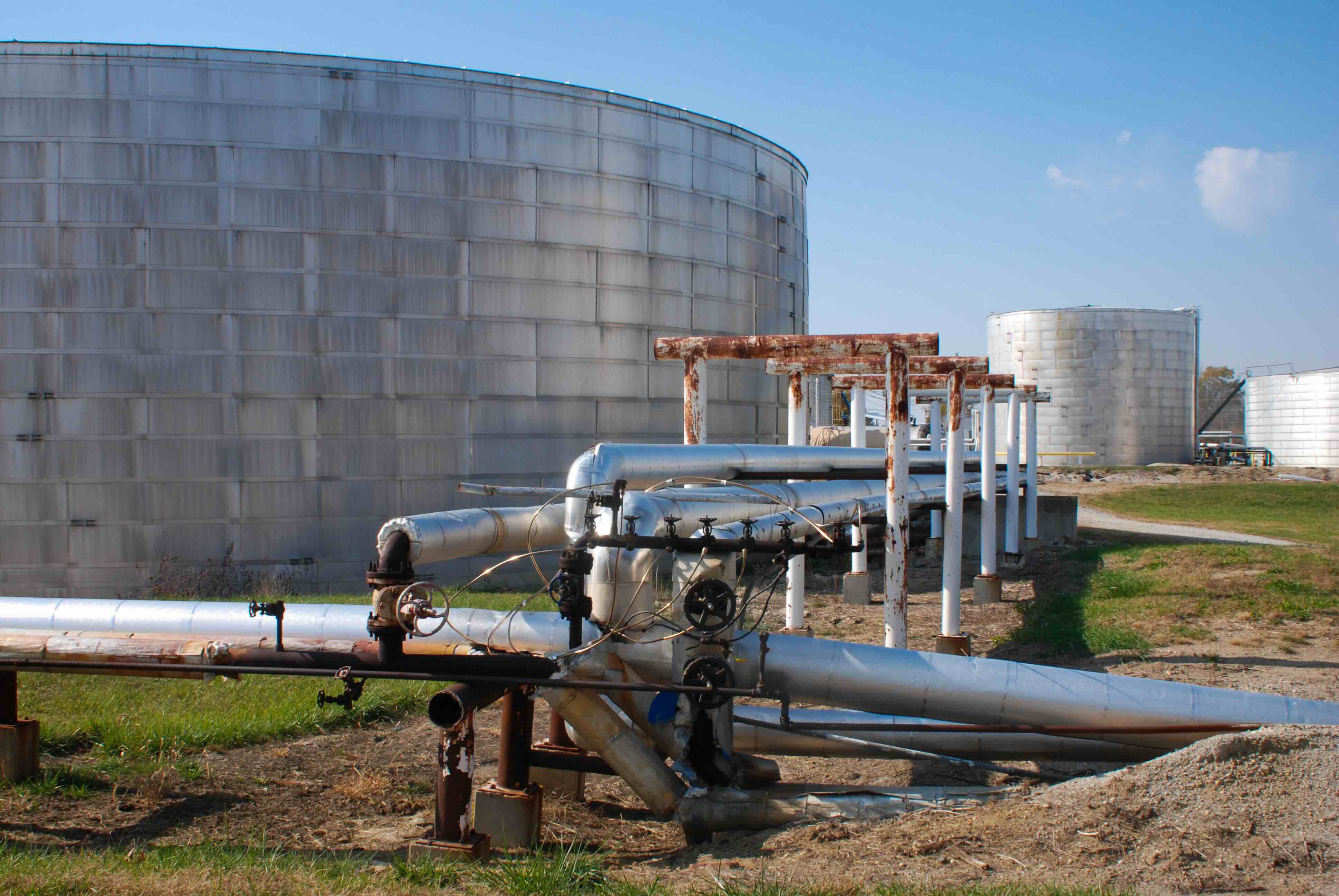
PETROCHEMICALS / AROMATIC HYDROCARBON
Benzene from Iran
A Key Aromatic Feedstock for the Petrochemical Value Chain
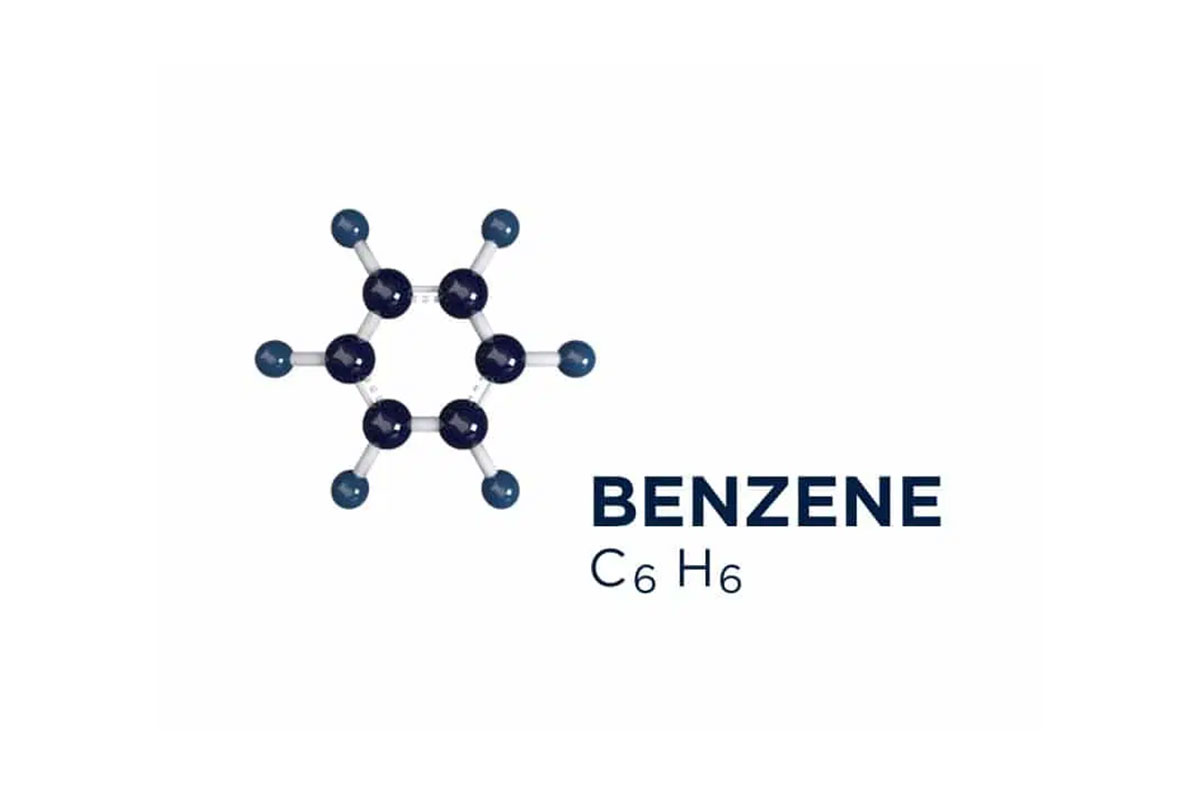
Benzene is an aromatic hydrocarbon and an important raw material in the chemical and petrochemical industries. With the molecular formula C₆H₆, it is used in the production of styrene, cyclohexane, phthalic acid and other aromatic compounds, as well as in selected industrial applications.
01 / PRODUCT OVERVIEW
What Is Benzene?
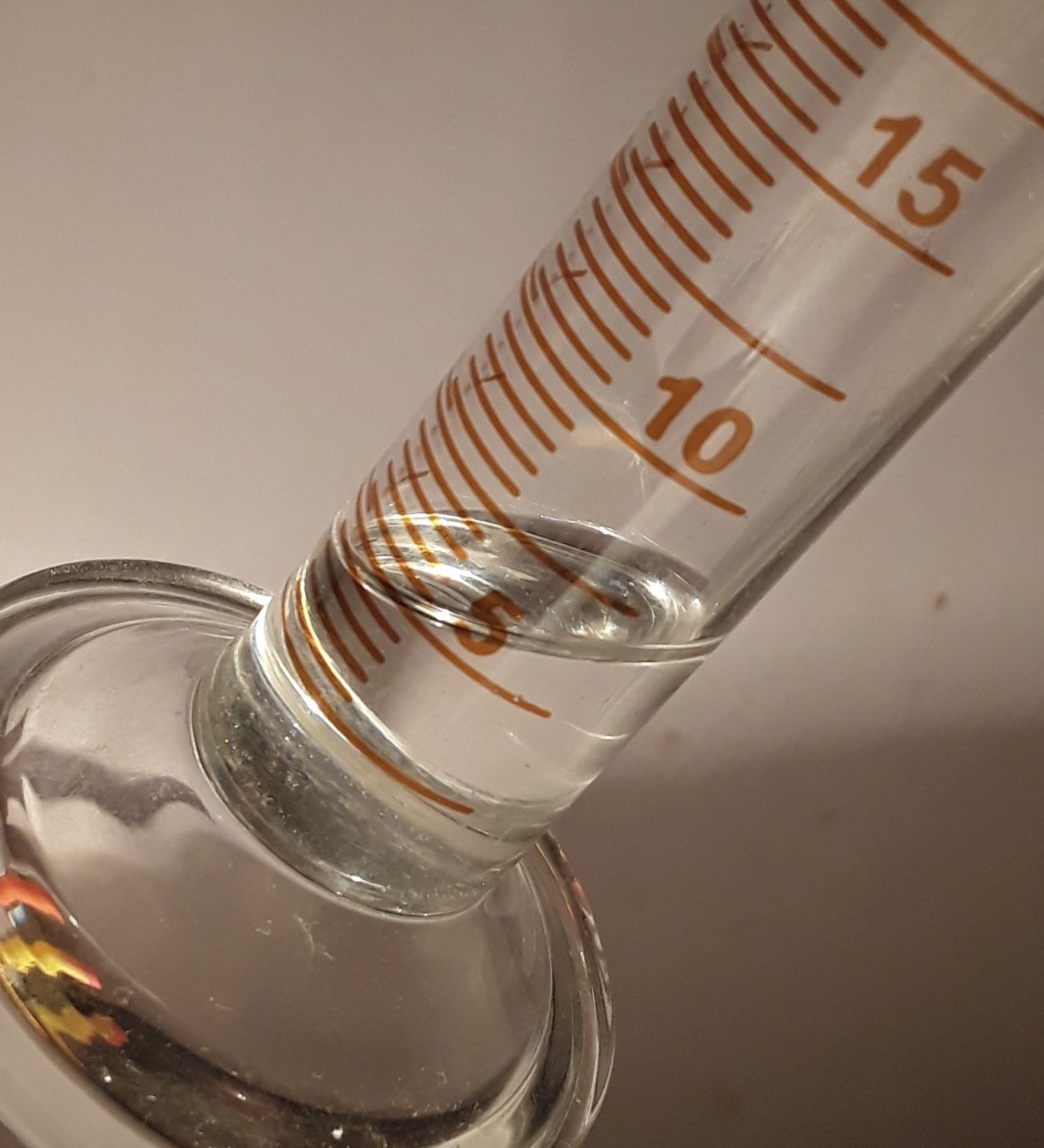
Benzene is a hydrocarbon chemical compound and one of the most important raw materials in the chemical industries. It belongs to the group of aromatic hydrocarbons and is one of the simplest and best-known aromatic compounds.
Its molecular structure is based on a six-membered carbon ring. The original IRMinEX project article describes benzene as a core feedstock for petrochemical products and other aromatic compounds used across the chemical and manufacturing sectors.
02 / PHYSICAL & CHEMICAL CHARACTERISTICS
Key Properties of Benzene
The values below reproduce the general properties listed in the original IRMinEX project page. They are reference values only and are not a commercial specification or guaranteed analysis for any supplied lot.
Chemical Formula
Benzene contains six carbon atoms and six hydrogen atoms.
Boiling Point
The original project page lists an approximate boiling point of 80.1 degrees Celsius.
Melting Point
The legacy page lists an approximate melting point of 5.5 degrees Celsius.
Density
The density value stated in the original article is 0.896 grams per cubic centimetre.
03 / CHEMICAL STRUCTURE
The Benzene Ring
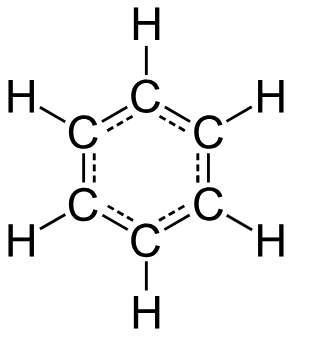
Benzene has a six-membered ring structure in which each carbon atom is bonded to two hydrogen atoms. The original article describes alternating double bonds around the ring.
The pi electrons are delocalized across the ring rather than being confined to individual carbon-carbon bonds. This shared electron arrangement is central to the distinctive structure and chemical properties of benzene.
04 / PRODUCTION METHODS
How Benzene Is Produced
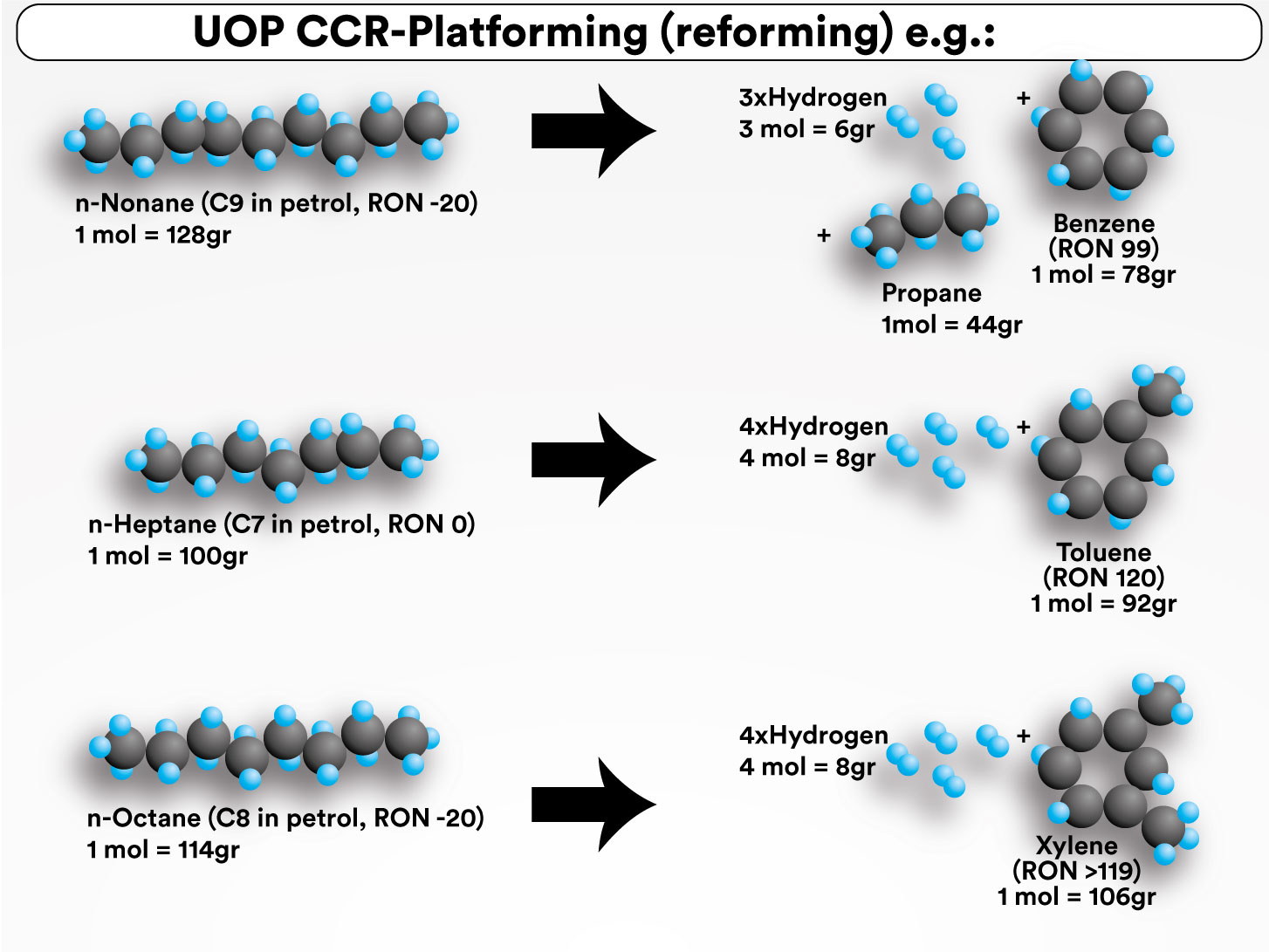
The original IRMinEX article identifies crude oil refining, natural gas refining and other industrial chemical processes as routes associated with benzene production. It specifically mentions cracking and reforming in the refining and petrochemical context.
Crude Oil Processing
The legacy page identifies crude oil refining, including cracking and reforming, as a major source of benzene and other aromatic compounds.
Natural Gas Refining
The original article also lists natural gas refining and separation among the routes from which benzene may be derived.
Refining and Petrochemical Processing
A simplified illustration of the routes described in the original project article. Actual plant configurations and product recovery routes vary.
05 / CRUDE OIL REFINING
Benzene from Refinery Streams
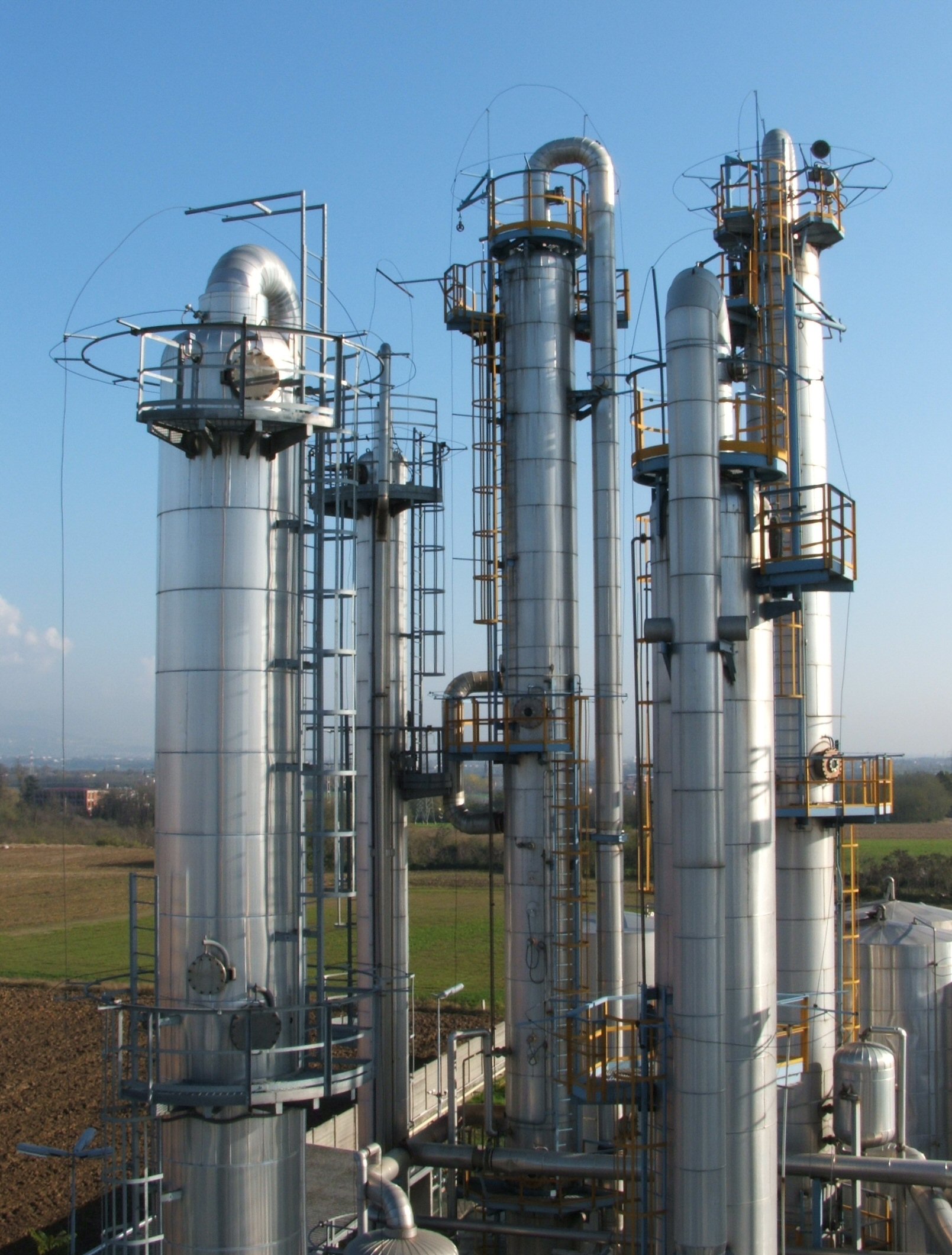
The original IRMinEX article identifies crude oil refining as a principal source of benzene. It mentions cracking and reforming as processes that lead to the production of benzene and other aromatic compounds.
In a commercial supply discussion, the exact production route, product composition and quality basis should be confirmed with the producing refinery or petrochemical complex. The photograph illustrates industrial distillation equipment and is not identified as a benzene production unit.
06 / NATURAL GAS REFINING
Natural Gas and Petrochemical Processing
The legacy IRMinEX article also lists natural gas refining and separation as routes associated with benzene production. It does not provide a specific plant flow diagram, feed composition or recovery conditions for this route.
For that reason, the page preserves the source’s description without assigning a particular process configuration. Buyers should request the producer’s current technical documentation to establish the actual source, grade and specification of any offered product.
08 / PETROCHEMICAL APPLICATIONS
Styrene and Synthetic Materials
The original IRMinEX article identifies styrene as one of the important petrochemical products manufactured using benzene as a raw material.
 01
Styrene
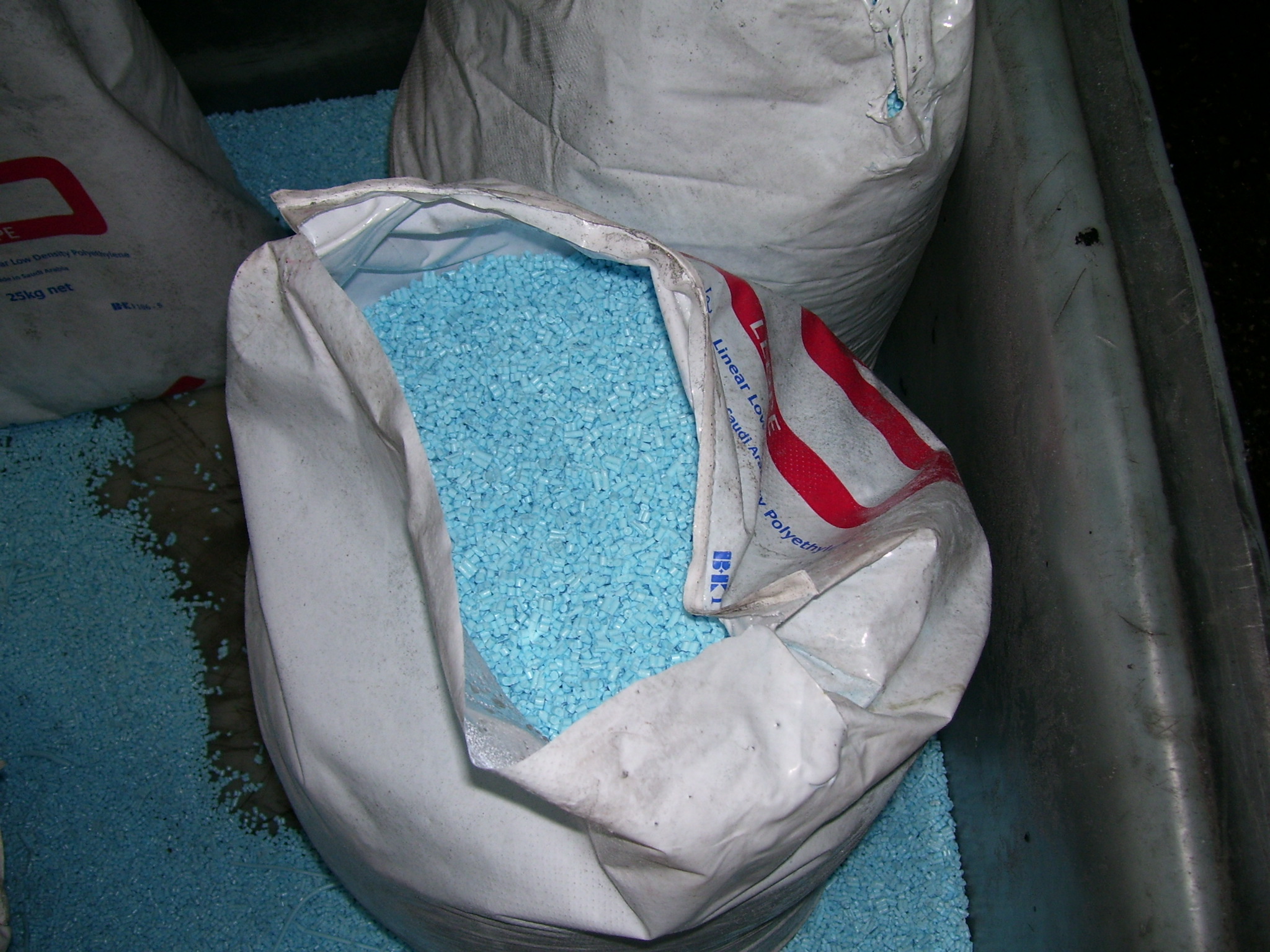
Benzene is used in styrene production. The source page notes that styrene is used to manufacture plastics and synthetic rubber.
PETROCHEMICAL INTERMEDIATE 02
Downstream Chemicals
Styrene is one of the intermediate products in the broader chemical and materials value chain described in the legacy article.
CHEMICAL VALUE CHAIN03Manufacturing Inputs
Downstream product selection, process conditions and material specifications are determined by the receiving manufacturer.
INDUSTRIAL APPLICATIONS09 / PHTHALIC ACID
Phthalic Acid and Related Products
The original IRMinEX article lists phthalic acid among the petrochemical products associated with benzene as a raw material. It notes downstream uses in plastics, paints, resins and synthetic fibers.
The article does not specify the exact phthalic acid isomer, process route or product grade. Those details should be established from the buyer’s requirement and the supplier’s current technical documentation.
10 / CYCLOHEXANE
Cyclohexane for Nylon Production
The source page identifies cyclohexane as another product made using benzene as a raw material. It describes cyclohexane as an important input for the production of nylon.
This connection places benzene within the broader synthetic fiber and polymer supply chain. The legacy article does not specify the cyclohexane grade or the process conditions used by individual producers.
12 / INDUSTRIAL SOLVENT APPLICATIONS
Solvent Uses Mentioned in the Legacy Article
The original IRMinEX project page lists benzene as an industrial solvent and names paints, resins, adhesives and lacquers among the materials and applications in which solvent properties have been used.
Benzene is highly toxic and carcinogenic. Any discussion of solvent use must therefore be read in the context of strict occupational, environmental and regulatory controls. This product page is not a recommendation for open, consumer or uncontrolled solvent use.
13 / OTHER APPLICATIONS
Plastics, Fuels and Pharmaceutical Chemistry
The legacy article lists several additional downstream applications for benzene and benzene-based compounds.
01Plastic Industry
The original page highlights polystyrene among the plastics manufactured with the help of benzene-derived chemistry, for packaging, household goods and construction uses.
PLASTICS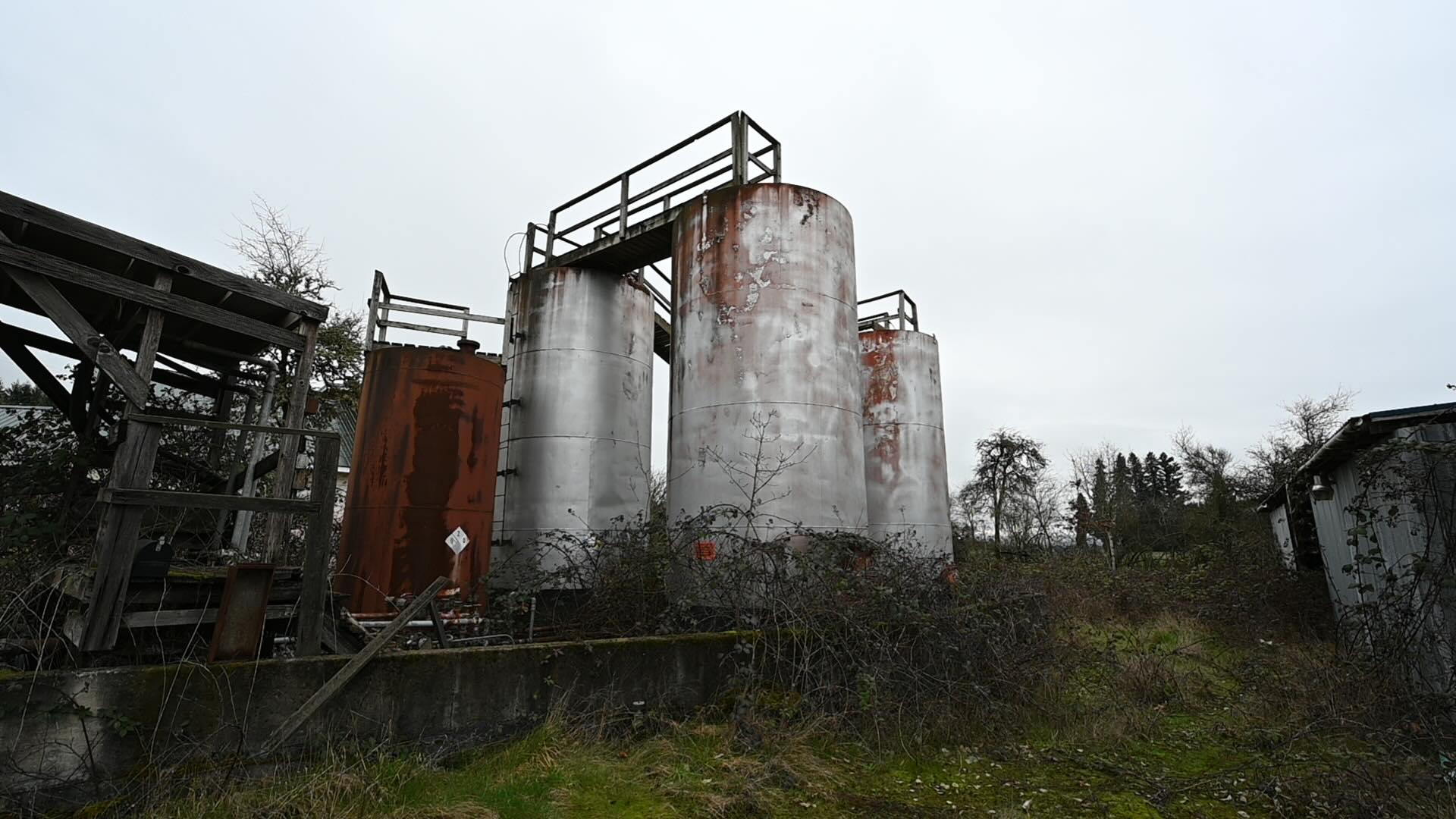 02
Fuel Production
The source article describes benzene as one component of gasoline fuels and associates it with fuel quality and combustion characteristics. Actual gasoline composition is subject to product specifications and regulations.
FUEL VALUE CHAIN03Pharmaceutical Chemistry
The original page notes that some chemical drugs are made from benzene-based compounds and identifies a role for benzene-derived chemistry in the pharmaceutical industry.
CHEMICAL INTERMEDIATES14 / HAZARDS & SAFETY
Benzene Requires Strict Safety Controls
The original IRMinEX article identifies benzene as highly toxic, carcinogenic and highly flammable. These hazards must be central to any storage, transport, handling or industrial-use assessment.
Acute and Chronic Exposure
The source page warns that inhalation of benzene vapors can affect the respiratory system and nervous system, and that prolonged exposure can cause serious health effects.
Long-Term Health Risk
The legacy article identifies benzene as a carcinogen and notes its confirmed association with leukemia.
Fire and Explosion Risk
Benzene is highly flammable. The original page warns that mixtures with air at appropriate concentrations can present fire and explosion hazards.
Approved Procedures
Use current SDS information, engineered controls, appropriate protective measures and site-specific emergency procedures. Do not rely on this product overview as a handling instruction.
15 / IRAN'S BENZENE INDUSTRY
Iran’s Role in Benzene Production and Consumption
The original IRMinEX project page, dated 30 November 2024, describes Iran as an important regional and global producer and consumer of benzene, citing the country’s oil and gas resources and petrochemical industry.
The same article states that benzene production in Iran is mainly carried out at refineries and petrochemical complexes. It also identifies domestic production of benzene-based products such as styrene, phthalic acid and other aromatic compounds, and notes that Iran exports benzene and related products.

Current Supply Verification
Product grade, purity, composition, packaging, stock, price, loading point, shipment window, documentation and destination eligibility must be verified directly for each enquiry. The legacy article does not provide current stock, exportable volume or live commercial terms.
16 / FREQUENTLY ASKED QUESTIONS
Benzene: Common Buyer Questions
General information based on the legacy IRMinEX project page. Product specifications, current availability and commercial terms must be confirmed for each enquiry.
What is the chemical formula of benzene?
The chemical formula of benzene is C₆H₆.
What are the main physical properties of benzene?
The legacy article describes benzene as a colorless, flammable liquid with a sweet, penetrating odor. It lists an approximate boiling point of 80.1°C, melting point of 5.5°C and density of 0.896 g/cm³.
How is benzene produced?
The original page identifies crude oil refining, natural gas refining and other industrial chemical processes. It specifically mentions cracking and reforming in the refining context.
What are the main uses of benzene?
The source lists styrene, phthalic acid, cyclohexane, other aromatic compounds, industrial solvent applications, plastics, gasoline and pharmaceutical chemistry.
Is benzene hazardous?
Yes. The original page identifies benzene as highly toxic, carcinogenic and highly flammable. It must be handled under applicable safety regulations and current SDS requirements.
Does this page confirm current Iranian benzene stock or price?
No. The legacy article describes Iran’s production and export role but does not provide live availability, price, export volume, shipment window or destination eligibility. These details must be verified for each enquiry.

IRMINEX / BENZENE ENQUIRY
Discuss Your Benzene Requirements
Share the required specification, intended application, quantity, packaging, loading terms and destination. Each enquiry is subject to supplier verification, safety documentation, regulatory review and logistics feasibility.