
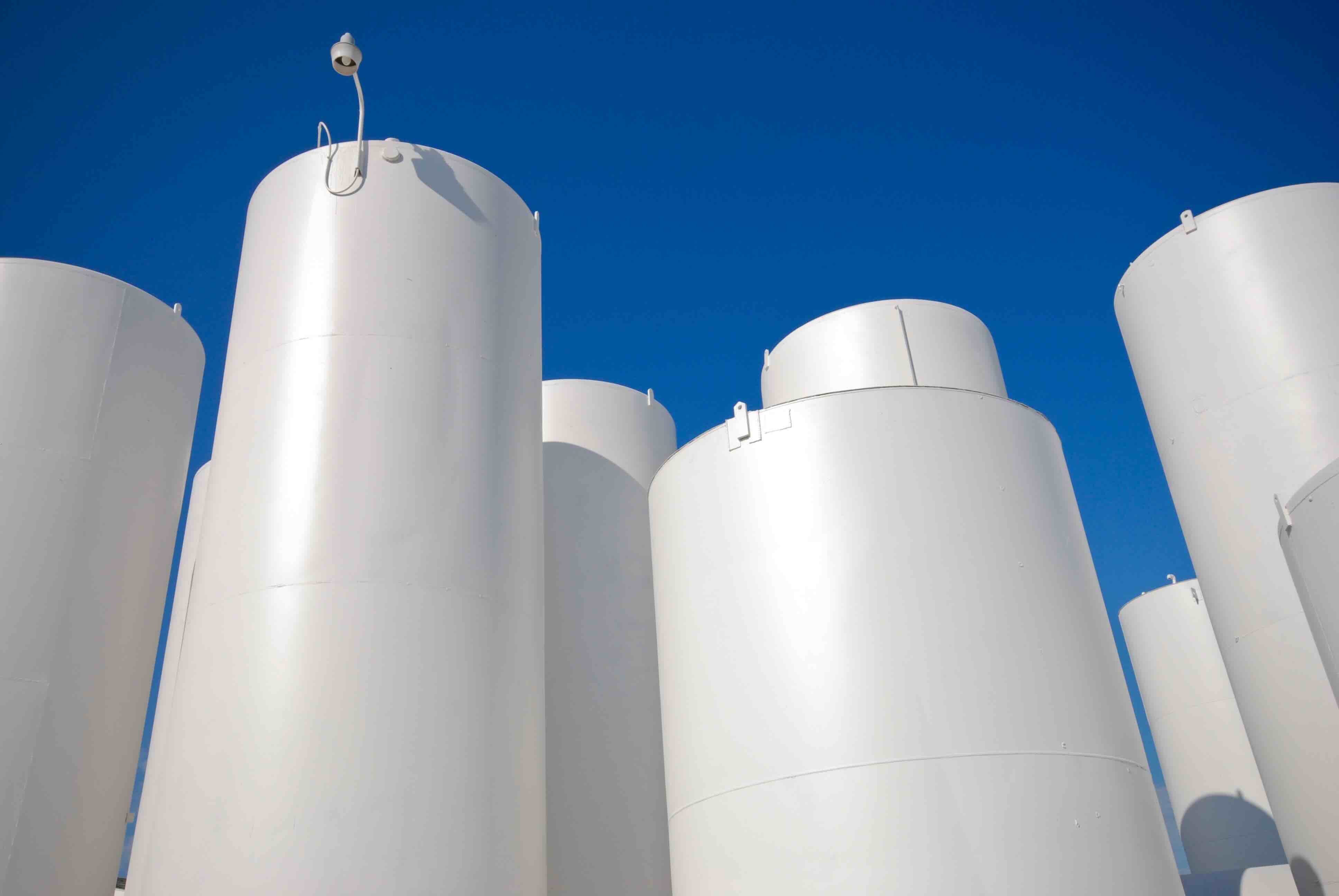
GAS PRODUCTS / LIQUEFIED PETROLEUM GAS
Propane & Butane from Iran
LPG Components for Energy, Industrial and Chemical Applications
Propane (C₃H₈) and butane (C₄H₁₀) are light hydrocarbon gases recovered mainly through natural gas processing and petroleum refining. They are marketed separately or as components of liquefied petroleum gas (LPG), and are stored and transported in liquid form under pressure.
01 / PRODUCT OVERVIEW
What Are Propane and Butane?
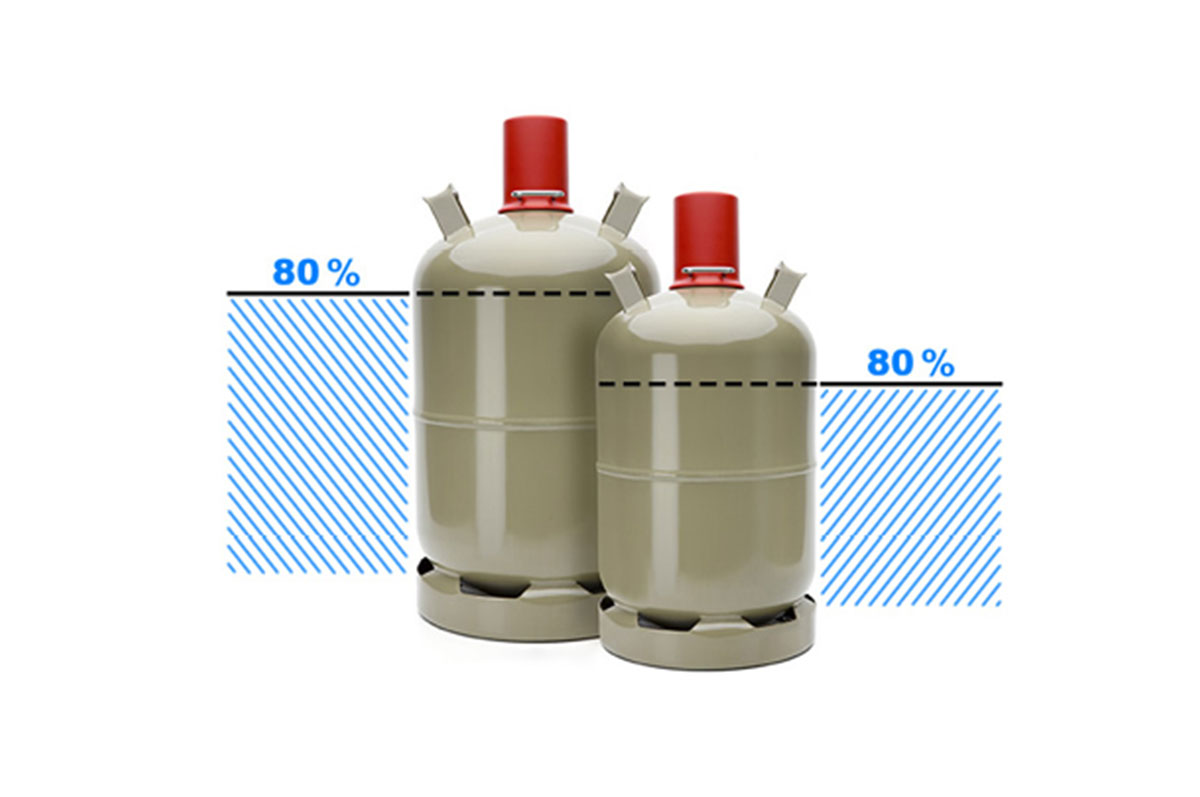
Propane and butane are hydrocarbons in the alkane family. Propane has the chemical formula C₃H₈, while butane has the formula C₄H₁₀. Both are gases under normal ambient conditions and can be liquefied by applying pressure.
The legacy IRMinEX article describes them as products recovered mainly through oil refining and natural gas processing. They may be supplied as individual products or combined in LPG blends. The blend ratio depends on the intended application, operating conditions and buyer specification.
02 / PHYSICAL & CHEMICAL CHARACTERISTICS
Key Properties of Propane and Butane
The boiling points below are the values stated in the legacy IRMinEX article for the pure compounds. Commercial LPG composition and properties vary by grade and blend ratio.
Boiling Point
Approximately −42.1°C at atmospheric pressure. Its lower boiling point supports vaporisation in colder ambient conditions.
Boiling Point
Approximately −0.5°C at atmospheric pressure. Its vaporisation performance is more sensitive to low ambient temperatures.
Ambient Conditions
Both products are gases at normal room temperature and atmospheric pressure.
Under Pressure
They are stored and transported as liquids in equipment designed and approved for LPG service.
03 / MAIN PRODUCT TYPES
Propane, Butane and LPG Blends
Propane and butane can be handled as separate products or combined in an LPG blend. The selected product form should match the buyer’s equipment, climate, application and technical acceptance criteria.
 01
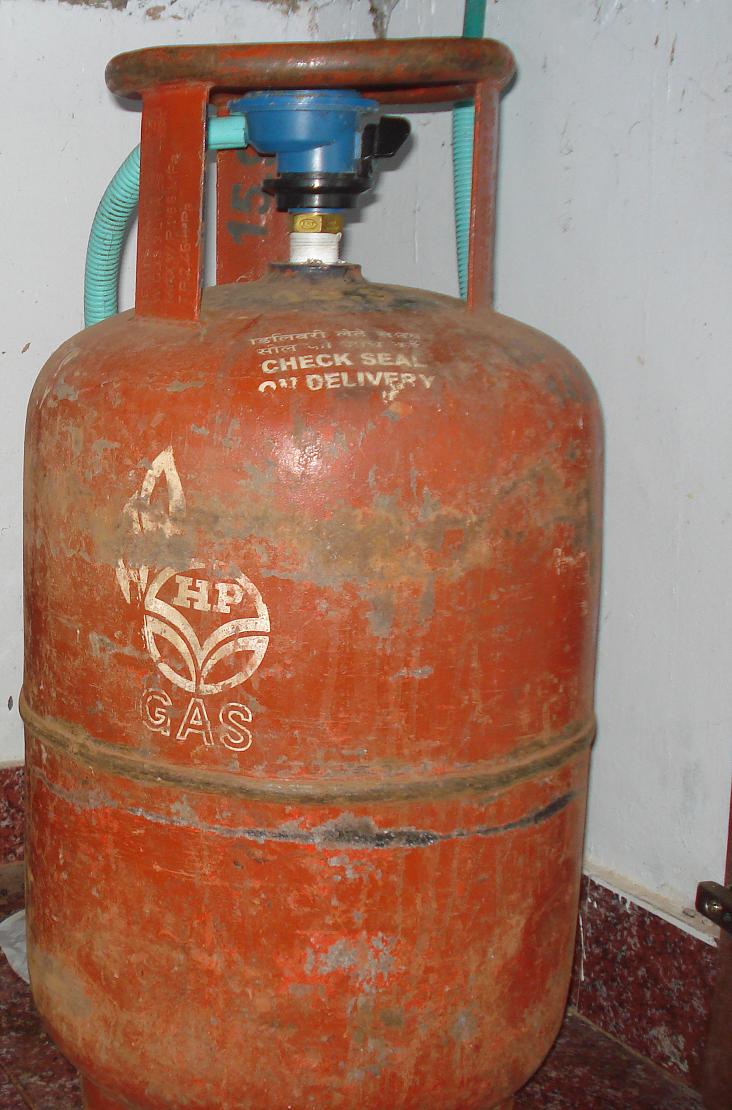
Propane
A C₃ hydrocarbon gas with a normal boiling point near −42.1°C. It is commonly selected for heating and LPG applications where reliable vaporisation at lower temperatures is important.
PROPANE / C₃H₈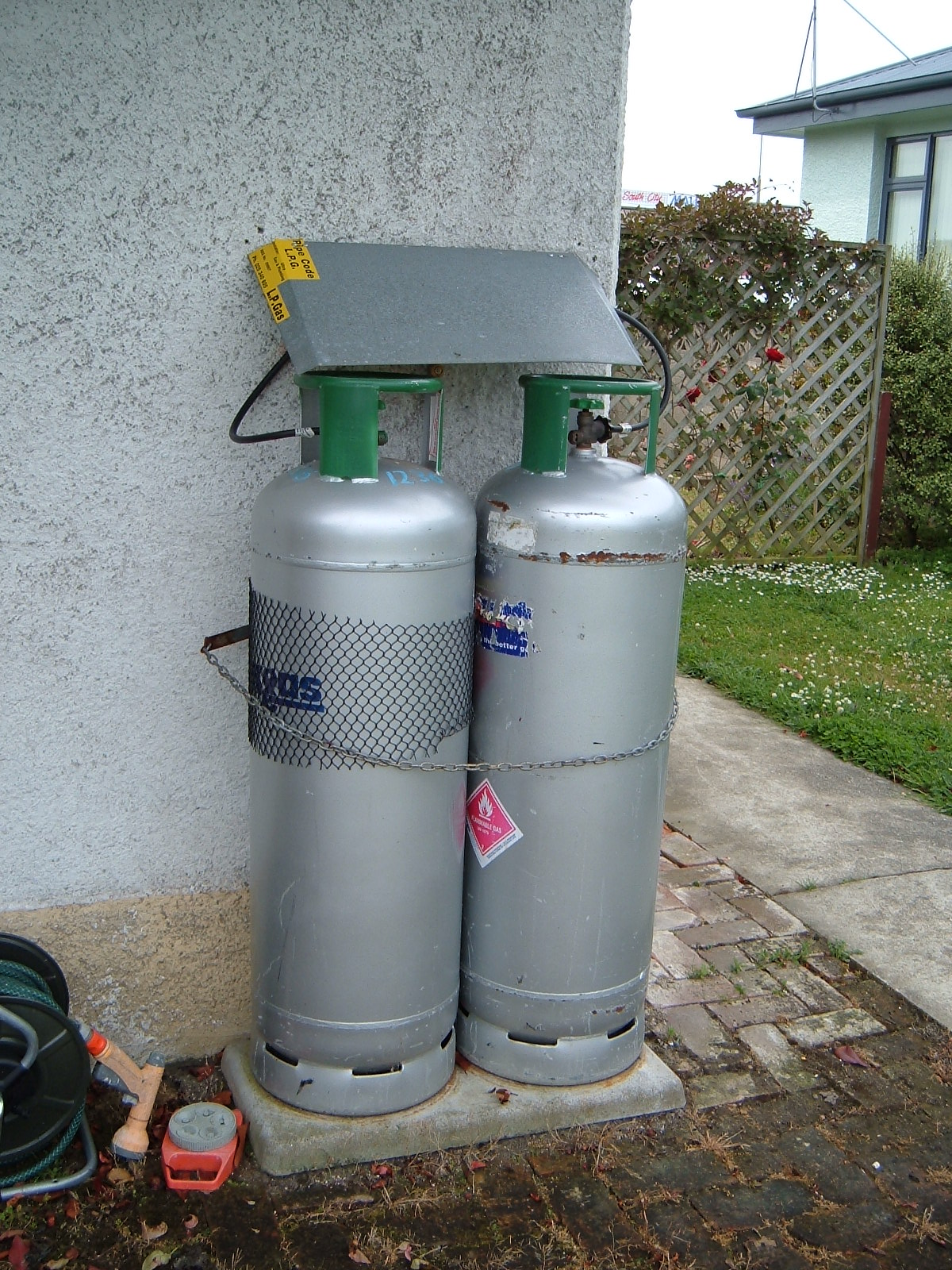 02
Butane
A C₄ hydrocarbon gas with a normal boiling point near −0.5°C. It is used in portable fuel applications and as a component in LPG blends.
BUTANE / C₄H₁₀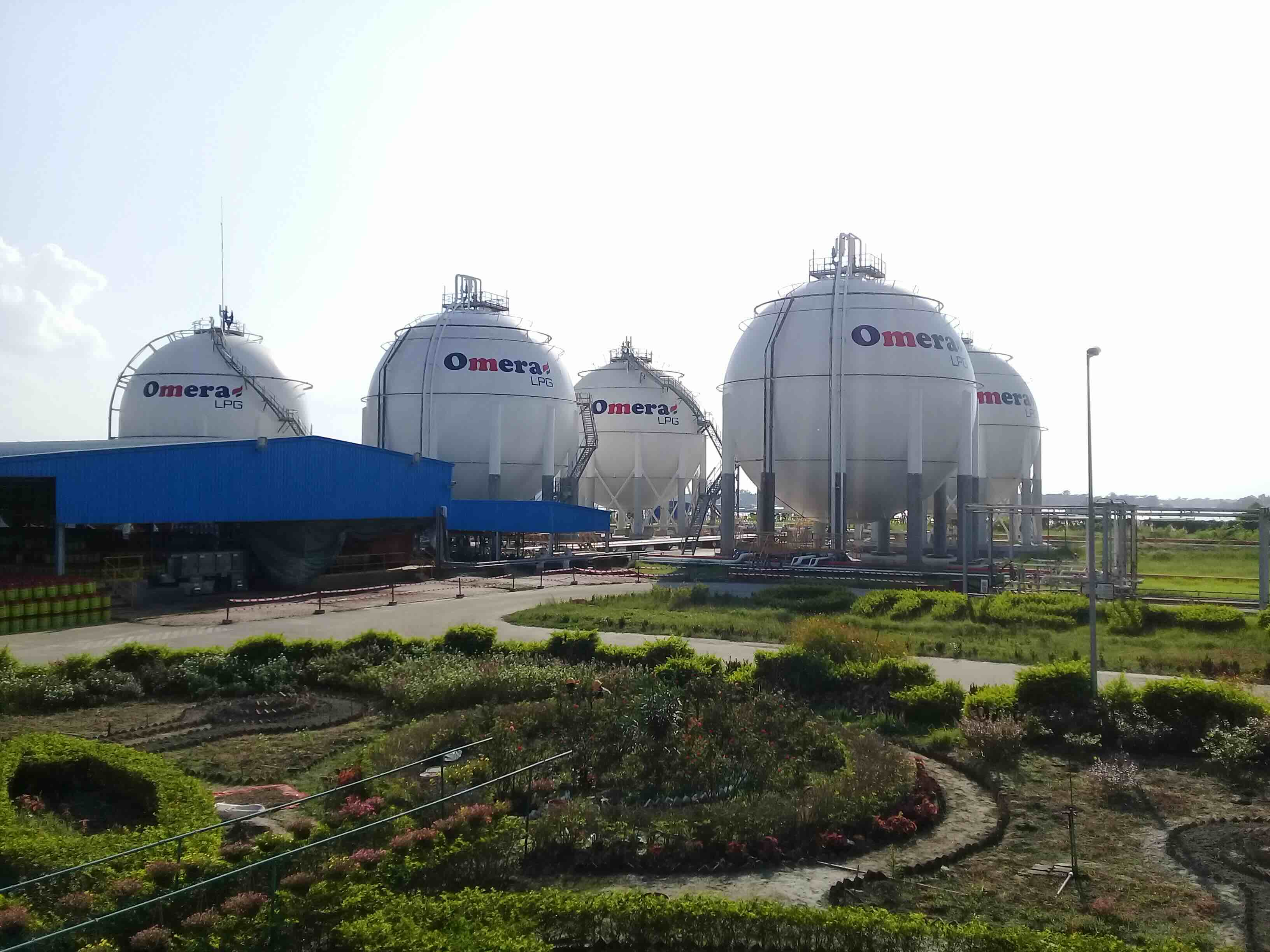 03
LPG Blends
Propane and butane ratios can be adjusted to meet application and market requirements. The exact composition must be stated and verified for each cargo.
BLEND / BUYER-SPECIFIED RATIO04 / PRODUCTION & RECOVERY
How Propane and Butane Are Produced
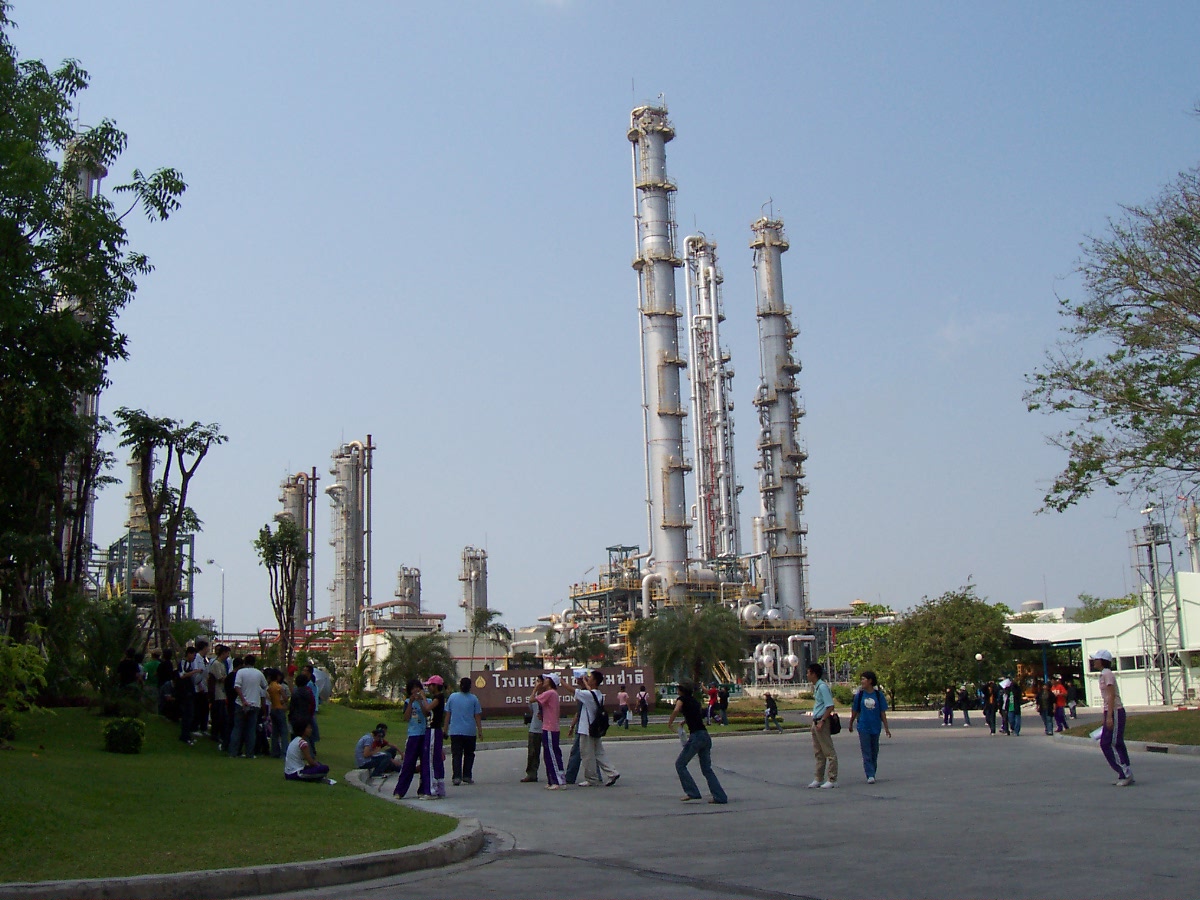
Propane and butane are recovered from natural gas processing and petroleum refining. The exact recovery route depends on the feedstock and configuration of the processing facility.
Gas Treatment & NGL Recovery
Natural gas is treated and separated into product streams. Liquids containing propane and butane can be recovered for further fractionation and conditioning.
Petroleum Refining
Light hydrocarbon streams produced during refining can be recovered, separated and directed to LPG product handling systems.
From Feedstock to LPG Products
A simplified overview; actual plant configurations and separation steps vary.
05 / PROPANE APPLICATIONS
Where Propane Is Used
Propane is used as a fuel for domestic appliances, including cooking equipment, water heaters and space heaters. It is also used as an LPG vehicle fuel in markets where suitable vehicles and distribution infrastructure are available.
In the chemical sector, propane can serve as a feedstock for processes that produce valuable intermediates such as propylene. Application suitability depends on the required product grade, equipment design and applicable standards.
06 / BUTANE APPLICATIONS
Where Butane Is Used
Butane is used in portable stoves and selected home and camping appliances. It can also be blended with propane in LPG products, with the ratio selected according to the intended use and ambient operating conditions.
The legacy IRMinEX article also identifies chemical-industry uses for butane and mentions butadiene among the associated products. Specific chemical routes and feedstock suitability should be confirmed against the buyer’s process requirements.
07 / PRODUCT COMPARISON
Propane vs. Butane
The main practical distinction is their different boiling points. This affects vapour generation and performance in colder ambient conditions.
Propane
Three carbon atoms and eight hydrogen atoms. Normal boiling point: approximately −42.1°C.
Butane
Four carbon atoms and ten hydrogen atoms. Normal boiling point: approximately −0.5°C.
Propane Advantage
Propane can continue vaporising at lower ambient temperatures than butane under comparable conditions.
Application-Led Ratio
LPG blend ratios are selected according to equipment, climate, market requirements and the agreed product specification.
08 / CHEMICAL INDUSTRY
Propane and Butane in Chemical Manufacturing
Beyond their role as fuels, propane and butane can be used as feedstocks in petrochemical and chemical production. Propane is associated with routes to propylene and other light olefins, while butane can be used in selected C4 chemical pathways.
The downstream products and yields depend on feed composition, conversion technology, operating conditions and plant configuration. A buyer should identify the target process before selecting a grade or blend.
09 / ENERGY & INDUSTRIAL USE
Flexible Energy Applications
Propane and butane serve a range of energy applications. Their suitability depends on the local supply system, end-use equipment, operating temperature and the applicable product standard.
 01
Heating & Cooking
LPG is used in cooking equipment, water heaters and space-heating appliances, including in locations without pipeline natural gas.
DOMESTIC & REMOTE ENERGY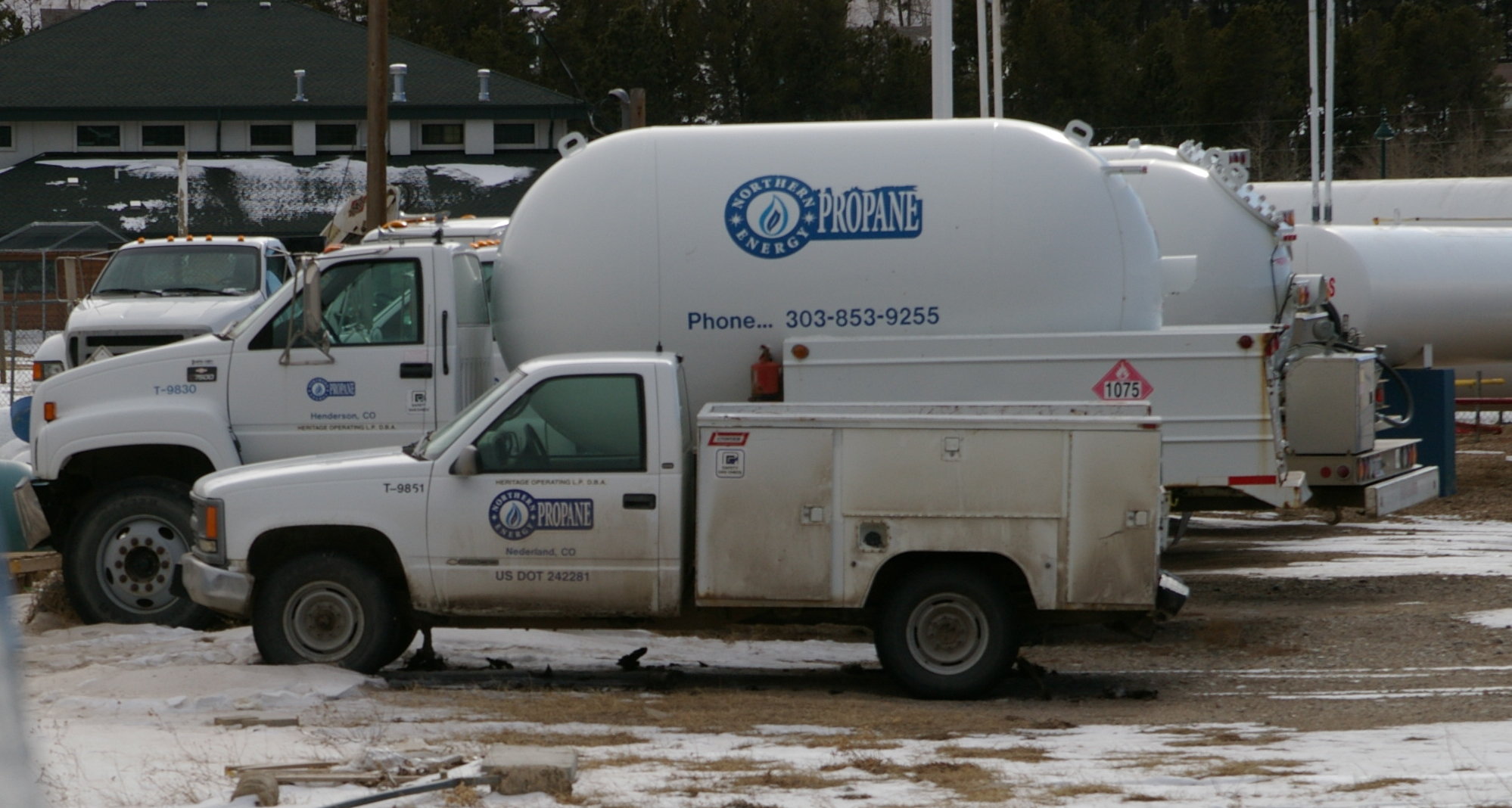 02
Vehicle Fuel
Propane-rich or mixed LPG products are used as automotive fuel where approved vehicle systems and refuelling infrastructure exist.
AUTOGAS / MOBILITY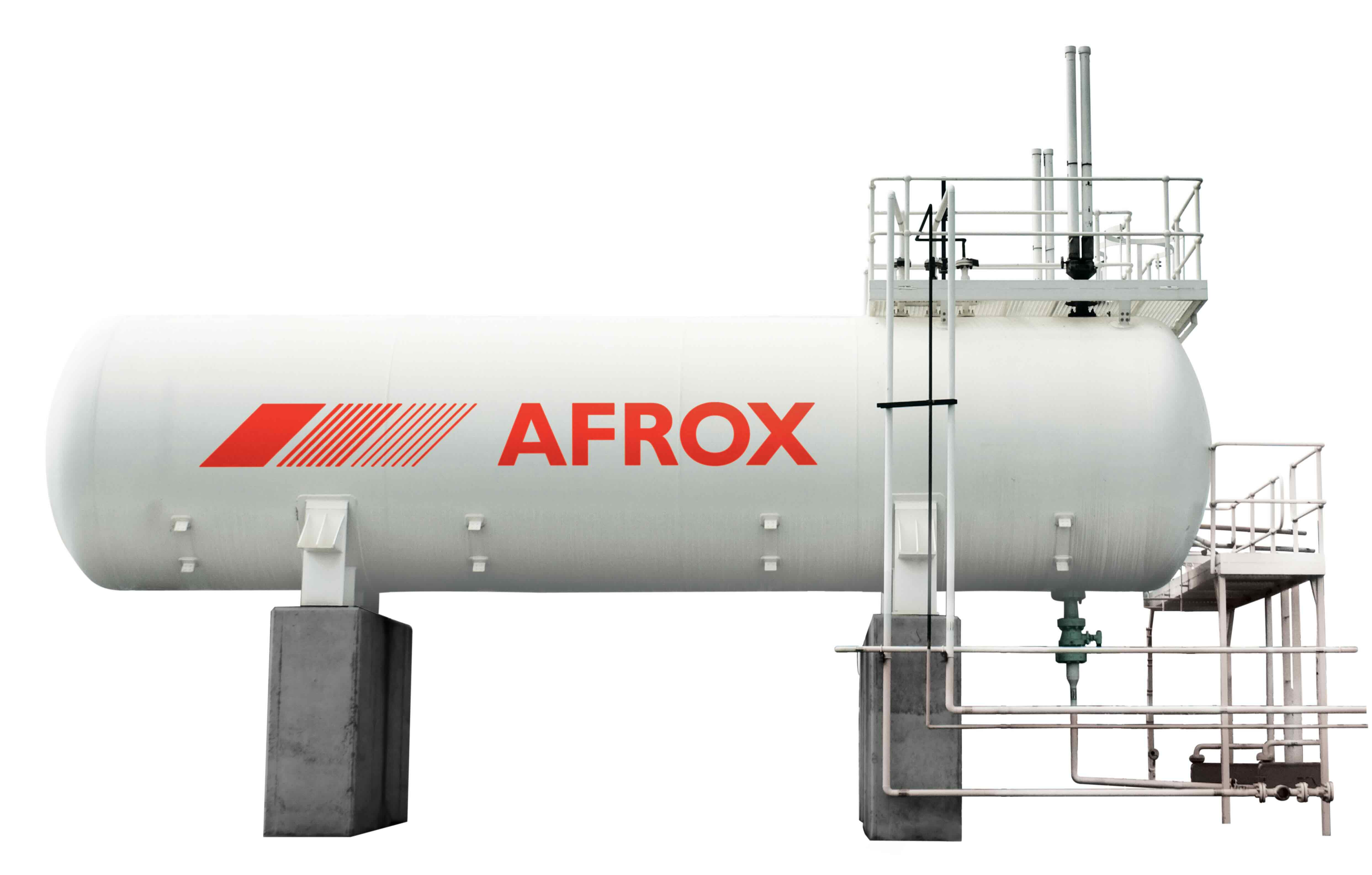 03
Industrial Energy
LPG can supply process heat and thermal energy in industrial operations, subject to burner design and fuel specification.
INDUSTRIAL HEAT10 / LPG COMPOSITION & BLENDING
Why LPG Blend Ratios Matter
Commercial LPG may contain propane, butane or a specified combination of both. Blend composition influences vapour pressure, liquid density, vaporisation behaviour and suitability for the intended equipment or market.
There is no single blend ratio that applies to every use. The buyer and supplier should agree the required composition and test basis before commercial confirmation. A product name such as “LPG” alone is not a complete technical specification.
11 / STORAGE & DISTRIBUTION
Storage Forms and Distribution Channels
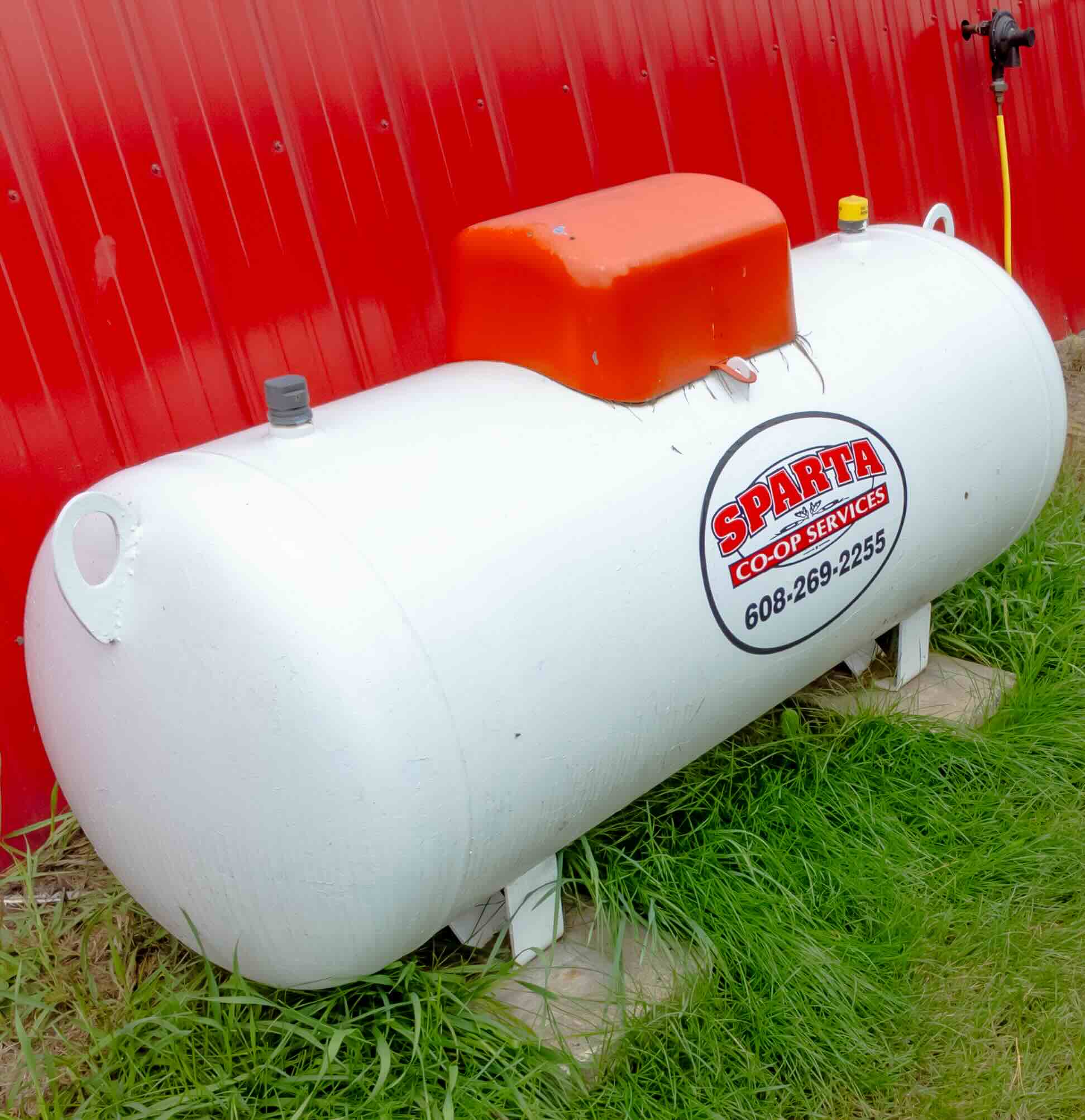
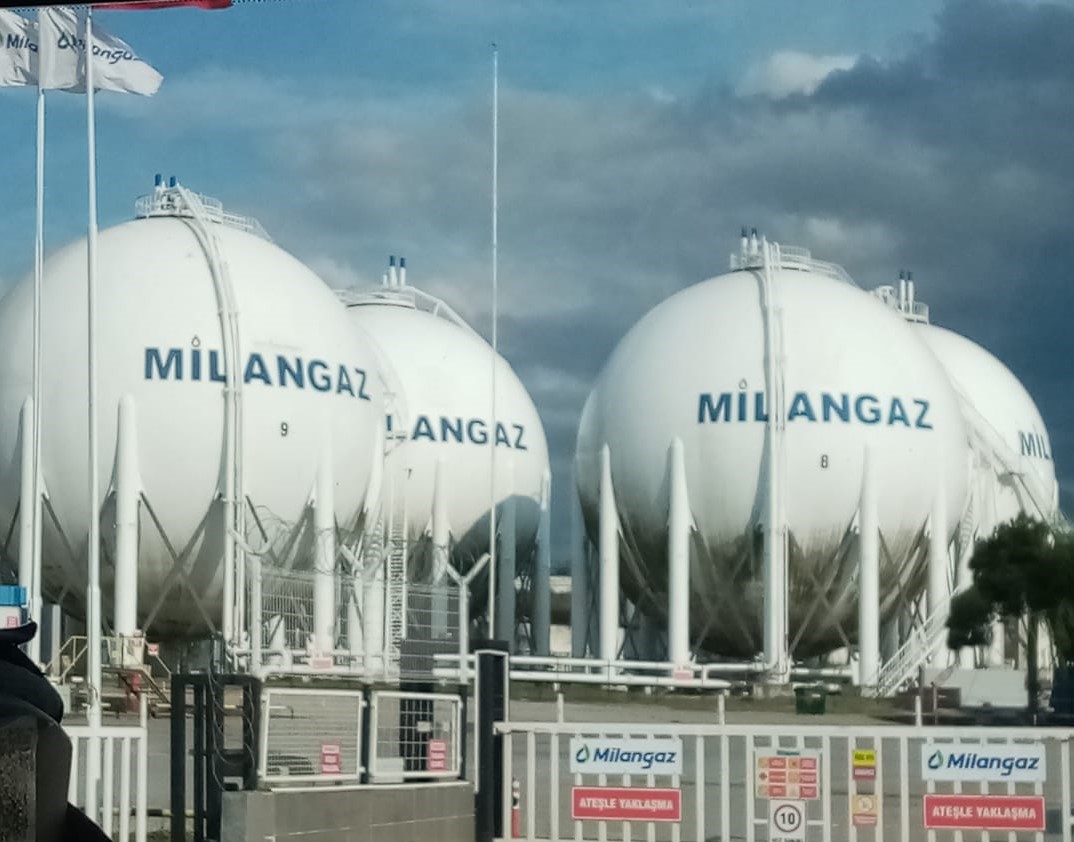
Because propane and butane are liquefied under pressure, storage and distribution require equipment designed for LPG service. The appropriate system depends on quantity, product form and delivery method.
01Bulk Pressure Vessels
Bulk storage uses purpose-designed pressure vessels and associated transfer systems, subject to applicable engineering and safety requirements.
BULK STORAGE02Cylinders
Cylinders support smaller-volume distribution and end uses where approved filling, handling and cylinder systems are available.
CYLINDER DISTRIBUTION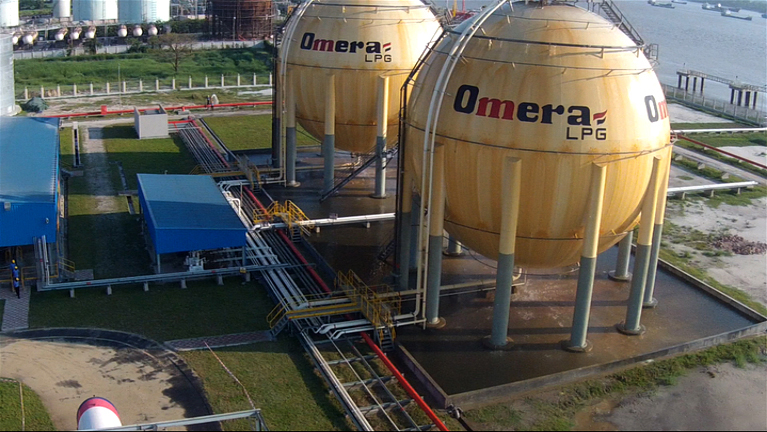 03
Terminal Storage
Storage terminals connect product receipt, quality control, inventory management and onward distribution.
TERMINAL & DISPATCH13 / SAFETY & ENVIRONMENTAL CONSIDERATIONS
Safe Handling Requires LPG-Specific Controls
Propane and butane are flammable gases that are commonly stored and transported as pressurised liquids. A release can rapidly produce vapour; the vapour may accumulate in low or poorly ventilated areas. The exact hazard classification and precautions must be taken from the current product Safety Data Sheet.
Storage, transfer, ventilation, gas detection, fire protection, personal protective equipment and emergency response must follow the applicable codes, site procedures and transport regulations. Do not rely on generic product descriptions as a substitute for an SDS or engineering review.
Review the SDS for flammability limits, ignition hazards, exposure routes, first aid and emergency measures.
Use pressure-rated vessels, valves, hoses and transfer connections suitable for the exact LPG service.
Apply appropriate gas detection, ventilation, leak prevention and site-specific emergency controls.
14 / IRAN'S PROPANE & BUTANE INDUSTRY
Iran’s Role in Propane and Butane Production
The legacy IRMinEX article identifies Iran’s natural gas and oil sectors as sources of propane and butane, with recovery taking place at gas-processing facilities, refineries and petrochemical plants. It specifically mentions the South Pars gas field and associated processing infrastructure.
The article also describes export markets across Asia and the Middle East, with selected European destinations. These are historical market references only; they do not establish current cargo availability, destination eligibility or active trade routes.
Current Supply Verification
Propane or butane grade, composition, purity, vapour pressure, packaging or bulk format, stock, price, loading point, shipment window and destination eligibility must be checked directly for each enquiry.
15 / STORAGE & EXPORT LOGISTICS
Planning LPG Storage and Shipments
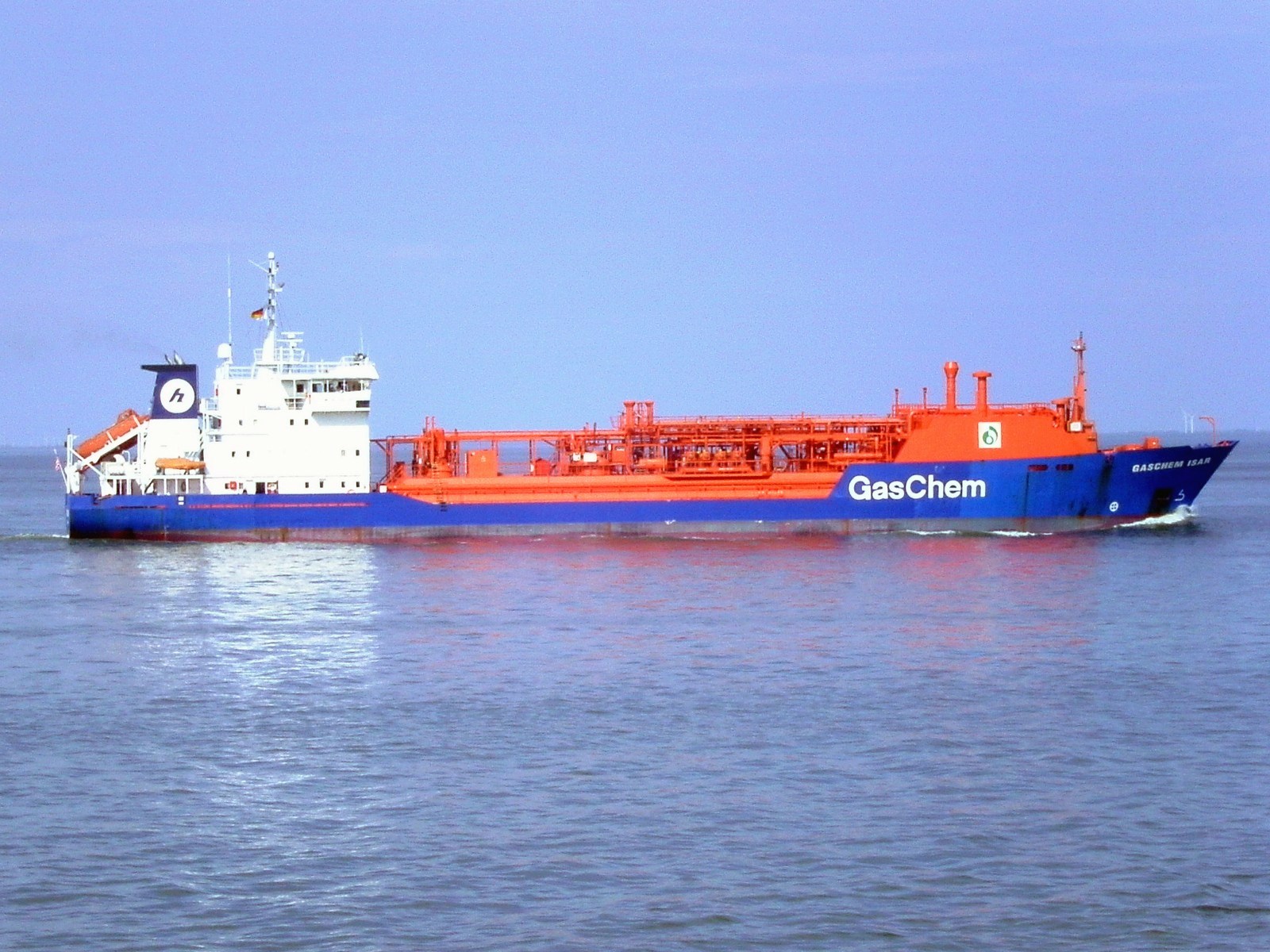
Propane and butane logistics depend on product composition, pressure and temperature conditions, loading infrastructure, vessel type and destination requirements. Shipment planning must be matched to the specific cargo.
Terminal Preparation
Confirm tank and line compatibility, product segregation, measurement and sampling procedures, loading rate, pressure and temperature limits, and safety documentation.
Suitable LPG Carriers
Agree the appropriate LPG carrier or road tanker, loading terminal, quantity, cargo documentation, route and destination requirements before dispatch.
From Product Specification to Shipment
Each stage is subject to supplier confirmation and destination-specific requirements.
16 / QUALITY & TECHNICAL DOCUMENTATION
What Should LPG Buyers Verify?
For propane, butane and LPG blends, a clear product description and batch-specific technical documents are essential for commercial evaluation.
17 / FREQUENTLY ASKED QUESTIONS
Propane & Butane: Common Buyer Questions
General product information based on the legacy IRMinEX article and standard LPG terminology. Exact product properties and commercial availability must be confirmed for each enquiry.
What is the difference between propane and butane?
Propane is C₃H₈ and has a normal boiling point of about −42.1°C. Butane is C₄H₁₀ and has a normal boiling point of about −0.5°C. This difference affects their vaporisation behaviour, especially in colder conditions.
Are propane and butane both LPG?
Yes. Both are principal components of liquefied petroleum gas. They may be supplied separately or combined in an LPG blend.
How are propane and butane stored and transported?
They are gases under normal ambient conditions and are commonly stored and transported in liquid form under pressure using equipment designed for LPG service.
What are the main applications of propane?
Applications include cooking, water and space heating, LPG vehicle fuel and selected chemical feedstock routes.
What are the main applications of butane?
Butane is used in portable stoves and selected household appliances, in LPG blends and in certain chemical-industry pathways.
Does IRMinEX publish live stock or prices?
This product page does not represent live inventory or a confirmed offer. Grade, composition, quantity, price, loading point, shipment window and destination eligibility must be confirmed for each enquiry.
IRMINEX / PROPANE & BUTANE ENQUIRY
Discuss Your LPG Requirements
Share the required product, propane or butane content, technical specification, quantity, loading terms and destination so the enquiry can be reviewed against supplier and logistics conditions.