
PETROLEUM PRODUCTS / PETROCHEMICAL FEEDSTOCK
Naphtha from Iran
A Key Refinery Stream for Fuel and Petrochemical Manufacturing
Naphtha is a liquid hydrocarbon mixture obtained from petroleum refining. Depending on its composition and boiling range, it can be used in gasoline production, petrochemical feedstock preparation, reforming and selected industrial solvent applications.
01 / PRODUCT OVERVIEW
What Is Naphtha?
Naphtha is a liquid petroleum fraction obtained during crude oil refining. It is not a single pure chemical with one fixed molecular formula; it is a blend of hydrocarbons whose composition depends on the crude source and refinery processing route.
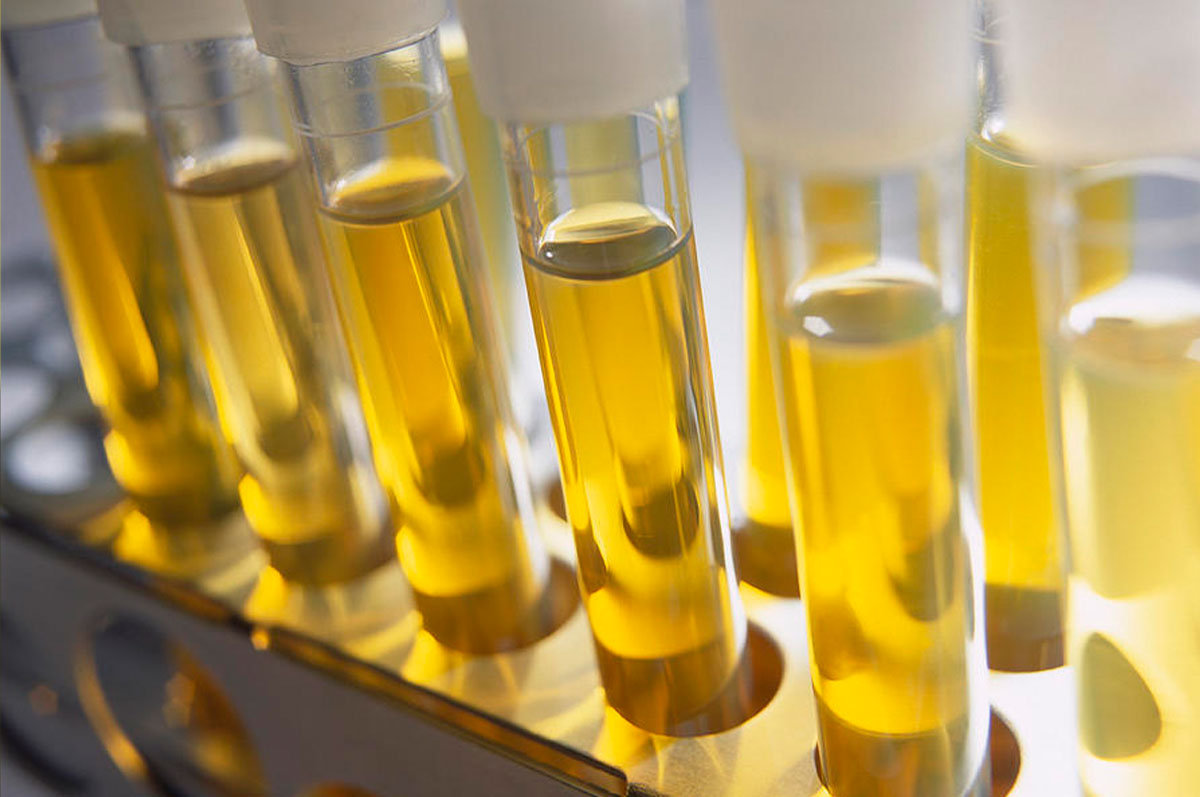
The legacy IRMinEX article describes naphtha as typically pale yellow or light brown and identifies paraffinic, aromatic and olefinic hydrocarbons among its components. Its relatively light character makes it useful as an intermediate for fuel production and as a feedstock for petrochemical processes.
02 / PHYSICAL & CHEMICAL CHARACTERISTICS
Key Properties of Naphtha
Naphtha properties vary by grade and refinery source. The following points summarize the legacy IRMinEX article; they are not a commercial product specification or a guaranteed quality range.
Appearance
Typically described as pale yellow or light brown, depending on the product blend and processing route.
Hydrocarbon Mixture
May contain paraffinic, aromatic and olefinic hydrocarbons in proportions that vary by grade.
Relative Density
The legacy article notes that naphtha generally has a lower density than water. Exact density must be stated on the product TDS or COA.
Indicative Boiling Range
The original article gives a broad range. Actual initial and final boiling points depend on the naphtha cut and its specification.
03 / MAIN PRODUCT TYPES
Light Naphtha and Heavy Naphtha
The legacy IRMinEX article divides naphtha into two main types. Their molecular distribution and boiling characteristics influence which downstream process is most suitable.
01Light Naphtha
Contains smaller hydrocarbon molecules and is commonly directed toward gasoline blending or upgrading and light petrochemical production, including ethylene-related routes.
LIGHTER CUT / GASOLINE & PETROCHEMICALS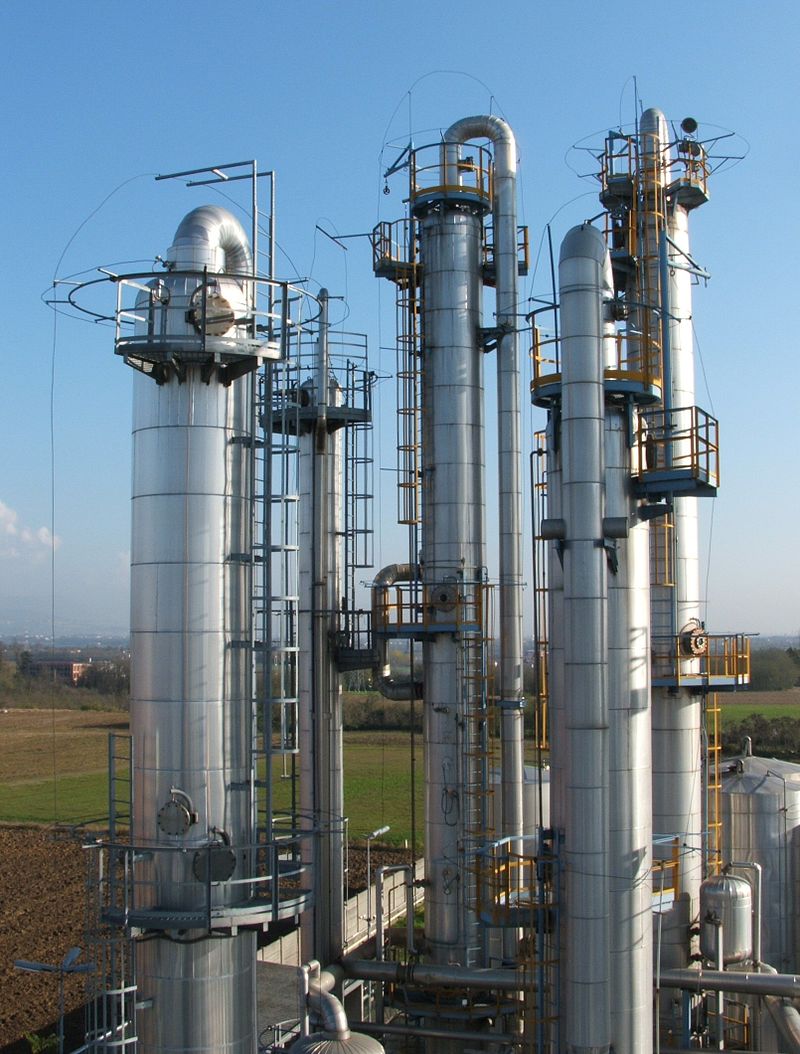 02
Heavy Naphtha
Contains larger and more complex hydrocarbons. It is used in processes such as catalytic reforming to produce high-octane reformate and other petrochemical streams.
HEAVIER CUT / REFORMING 03
Grade Selection
The correct grade depends on the buyer’s unit design, target products, feedstock acceptance limits and required product characteristics.
PROCESS-SPECIFIC SELECTION04 / REFINERY PRODUCTION
How Naphtha Is Produced
Naphtha is recovered as part of crude oil refining. Crude oil is heated and separated into fractions according to their boiling characteristics; the naphtha fraction is drawn from the relevant section of the distillation process.
Feedstock Heating
Crude oil is conditioned and heated before entering the refinery’s separation system.
Distillation & Recovery
Hydrocarbon fractions are separated in distillation equipment. Naphtha is recovered as a light petroleum stream for further handling or processing.
From Crude Oil to Naphtha
A simplified overview; actual refinery configurations and cut points vary.
05 / DOWNSTREAM REFINERY PROCESSING
Further Processing and Product Upgrading
Recovered naphtha may be routed to different refinery units depending on its composition and the refinery’s operating configuration. Heavy naphtha can be processed in catalytic reforming units, while lighter cuts may be directed toward gasoline blending, isomerization or petrochemical feedstock preparation.
Hydrotreatment and other conditioning steps may also be applied where required by the target process or downstream product specification. The exact route is grade- and facility-dependent.
06 / GASOLINE PRODUCTION
Naphtha in the Gasoline Value Chain
Naphtha is an important refinery stream for gasoline manufacturing. Depending on its characteristics, it can be used as a blend component or processed to improve the quality and performance of gasoline pool components.
01Light Naphtha
May be used in gasoline blending and in upgrading routes that adjust the composition of the gasoline pool.
GASOLINE BLENDING02Catalytic Reforming
Heavy naphtha can be reformed to produce high-octane reformate for gasoline manufacture.
OCTANE UPGRADING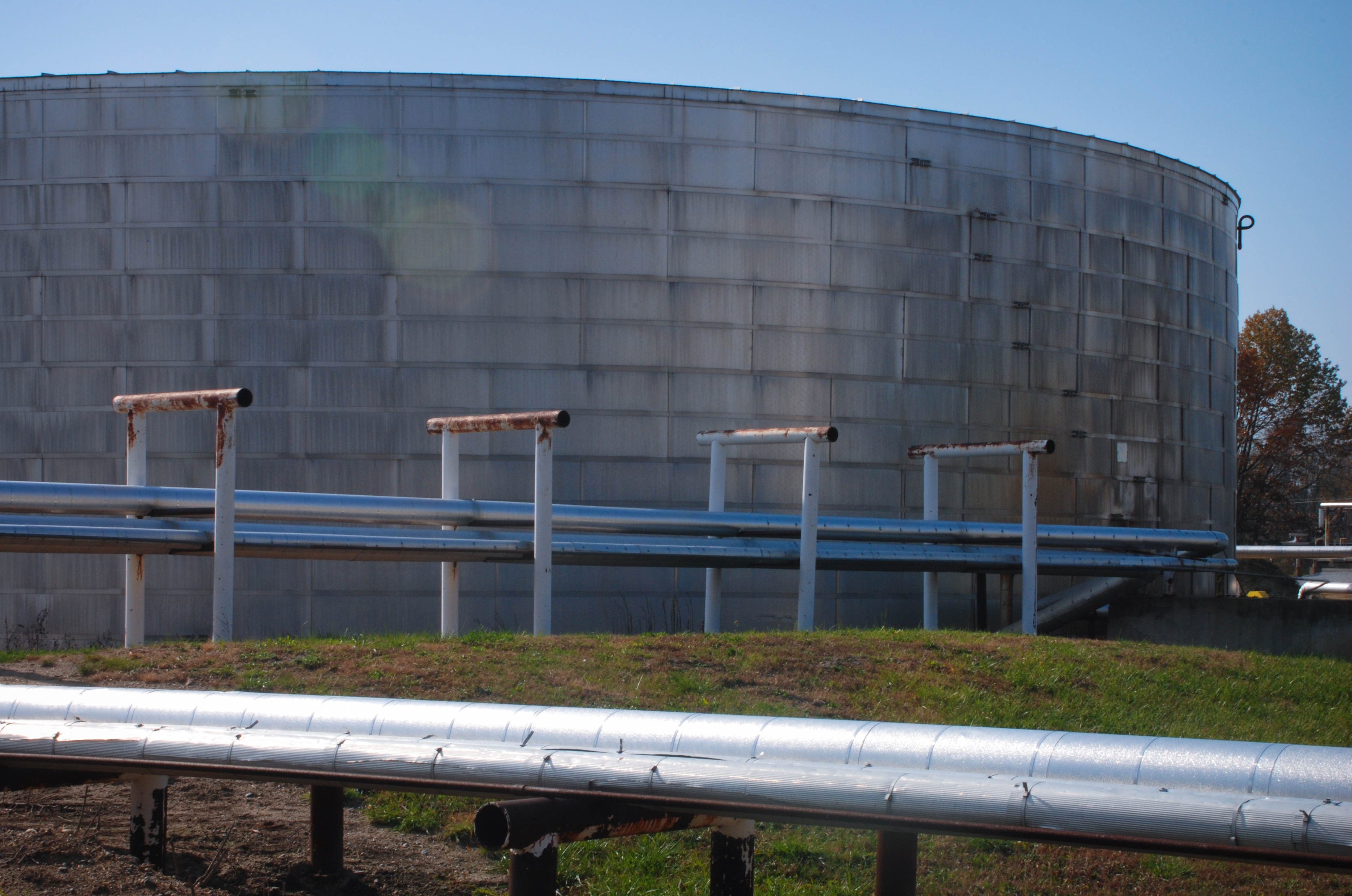 03
Refinery Integration
Final routing depends on refinery configuration, product demand and the agreed quality limits.
REFINERY VALUE CHAIN07 / PETROCHEMICAL FEEDSTOCK
A Starting Point for Essential Chemicals
Naphtha is a major feedstock option for petrochemical production. In suitable steam-cracking configurations, naphtha can be converted into basic building blocks such as ethylene, propylene and other hydrocarbon streams.
These intermediates support the manufacture of plastics, industrial chemicals, synthetic fibres and a wide range of downstream materials. Product yields depend on feed composition, process conditions and the design of the cracking unit.
08 / INDUSTRIAL SOLVENT APPLICATIONS
Naphtha as an Industrial Solvent
Selected naphtha grades are used as industrial solvents for dissolving or removing oils, greases and certain adhesives. Their suitability depends on the solvent range, volatility, aromatic content and other grade-specific characteristics.
Not every naphtha grade is suitable for every solvent application. Buyers should confirm the intended use, occupational exposure controls, compatibility requirements and the applicable product Safety Data Sheet before selecting a grade.
09 / POLYMER VALUE CHAIN
From Naphtha to Plastic Materials
Naphtha can serve as feedstock for petrochemical routes that produce olefins and, subsequently, polymer resins used across packaging, household goods and automotive applications.
01Feedstock Cracking
Suitable naphtha feed is processed to generate olefins and other basic petrochemical building blocks.
UPSTREAM PETROCHEMICALS02Polymer Intermediates
Ethylene and propylene can be routed to polymerization and other derivative production units.
CHEMICAL INTERMEDIATES03Polyethylene & Polypropylene
These polymers are widely used in packaging, household products, components and automotive applications.
DOWNSTREAM MATERIALS10 / SPECIALIZED FUEL USE
Selected Fuel Applications
The original IRMinEX article notes that naphtha may be used as a fuel in certain aircraft and marine contexts, but that these uses are less common than dedicated fuels such as aviation turbine fuel. Naphtha should not be treated as a drop-in substitute for regulated aviation or marine fuels.
Aircraft-Related Use
Any aviation application is highly specific and requires the exact approved fuel specification and engine compatibility. Standard aviation fuel requirements must not be inferred from generic naphtha descriptions.
Marine Operations
Any marine fuel use depends on vessel systems, fuel standards, handling requirements and applicable regulations.
12 / ENVIRONMENTAL & HEALTH CONSIDERATIONS
Safe Handling Requires Product-Specific Controls
The legacy IRMinEX article identifies environmental impacts from combustion and potential health effects from exposure, including respiratory problems, dizziness and poisoning. The exact hazard classification depends on the naphtha grade and its hydrocarbon composition.
Storage, transfer, ventilation, fire protection, personal protective equipment and emergency response must be based on the current supplier Safety Data Sheet and applicable site and transport regulations.
Exposure risks vary by blend. Review the SDS for exposure routes, symptoms, first aid and occupational limits.
Confirm flash point, vapour characteristics, compatible storage systems and ignition-control requirements for the exact grade.
Combustion emissions and accidental releases require suitable controls, containment and compliant waste handling.
13 / IRAN'S NAPHTHA INDUSTRY
Iran’s Role in Naphtha Production and Export
The original IRMinEX article dated 30 November 2024 describes Iran as a significant producer of naphtha through its oil-refining sector and notes that a portion of production has been exported to international markets.
The article also identifies petrochemical demand as an important use for Iranian naphtha, including production chains connected to polymers and plastics. These statements are historical editorial context and do not establish current output, export volumes or available supply.
Current Supply Verification
Product grade, distillation range, density, sulphur, aromatics, packaging or bulk loading, stock, price, loading point, shipment window and destination eligibility must be checked directly for each enquiry.
14 / STORAGE & EXPORT LOGISTICS
Planning Naphtha Storage and Shipments
Naphtha is generally handled as a liquid petroleum product. Storage and transport arrangements must be compatible with the exact grade and its product-specific safety, vapour and quality requirements.
Tank Farm Management
Confirm tank compatibility, product segregation, temperature and vapour controls, contamination prevention and applicable safety systems.
Bulk Liquid Shipment
Agree the loading terminal, vessel or tanker requirements, quantity, measurement basis, sampling, documentation and destination compliance before shipment.
From Grade Confirmation to Shipment
Each stage is subject to supplier confirmation and destination-specific requirements.

15 / QUALITY & TECHNICAL DOCUMENTATION
What Should Naphtha Buyers Verify?
Because naphtha is a variable hydrocarbon mixture, a clear grade description and a batch-specific technical document set are essential for commercial evaluation.
16 / FREQUENTLY ASKED QUESTIONS
Naphtha: Common Buyer Questions
General information based on the legacy IRMinEX article. Exact product properties and commercial availability must be confirmed for each enquiry.
What is naphtha?
Naphtha is a liquid petroleum fraction and a mixture of hydrocarbons recovered during crude oil refining. It is used in fuel production and as a petrochemical feedstock.
What is the difference between light and heavy naphtha?
Light naphtha contains smaller molecules and is commonly used in gasoline and light petrochemical routes. Heavy naphtha contains larger and more complex hydrocarbons and is often used in catalytic reforming.
How is naphtha produced?
It is recovered during crude oil distillation, where petroleum is separated into fractions according to their boiling characteristics.
Which industries use naphtha?
Applications include gasoline production, petrochemical manufacturing, polymer value chains and selected industrial solvent uses.
Does naphtha have one fixed chemical formula?
No. Naphtha is a hydrocarbon mixture, not a single pure compound. Its composition and physical properties depend on the grade and refinery source.
Does IRMinEX publish live stock or prices?
The legacy product article does not provide live inventory, current prices or confirmed shipment schedules. These details must be confirmed for each enquiry.

IRMINEX / NAPHTHA ENQUIRY
Discuss Your Naphtha Requirements
Share the required grade, intended application, technical specification, quantity, loading terms and destination so the enquiry can be reviewed against supplier and logistics conditions.