SOLID MINERAL FUELS / INDUSTRIAL RAW MATERIALS
Coal from Iran
Thermal and Metallurgical Coal for Industrial Applications
Coal is a naturally occurring, carbon-rich sedimentary rock used in power generation, cement production, industrial heating and, for suitable coking grades, iron and steelmaking. Commercial suitability depends on rank, origin, preparation and a verified technical specification.
01 / PRODUCT OVERVIEW
What Is Coal?
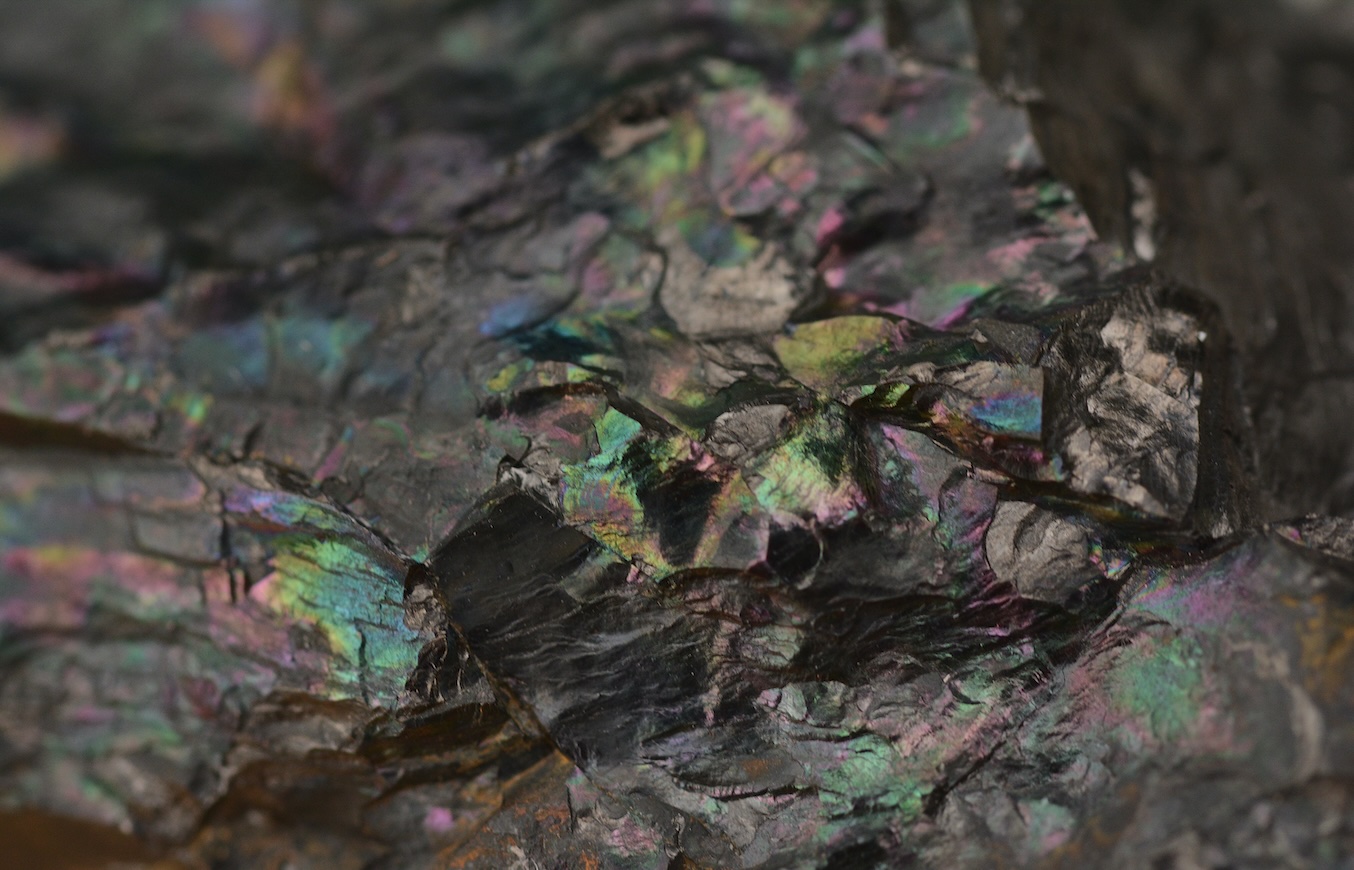
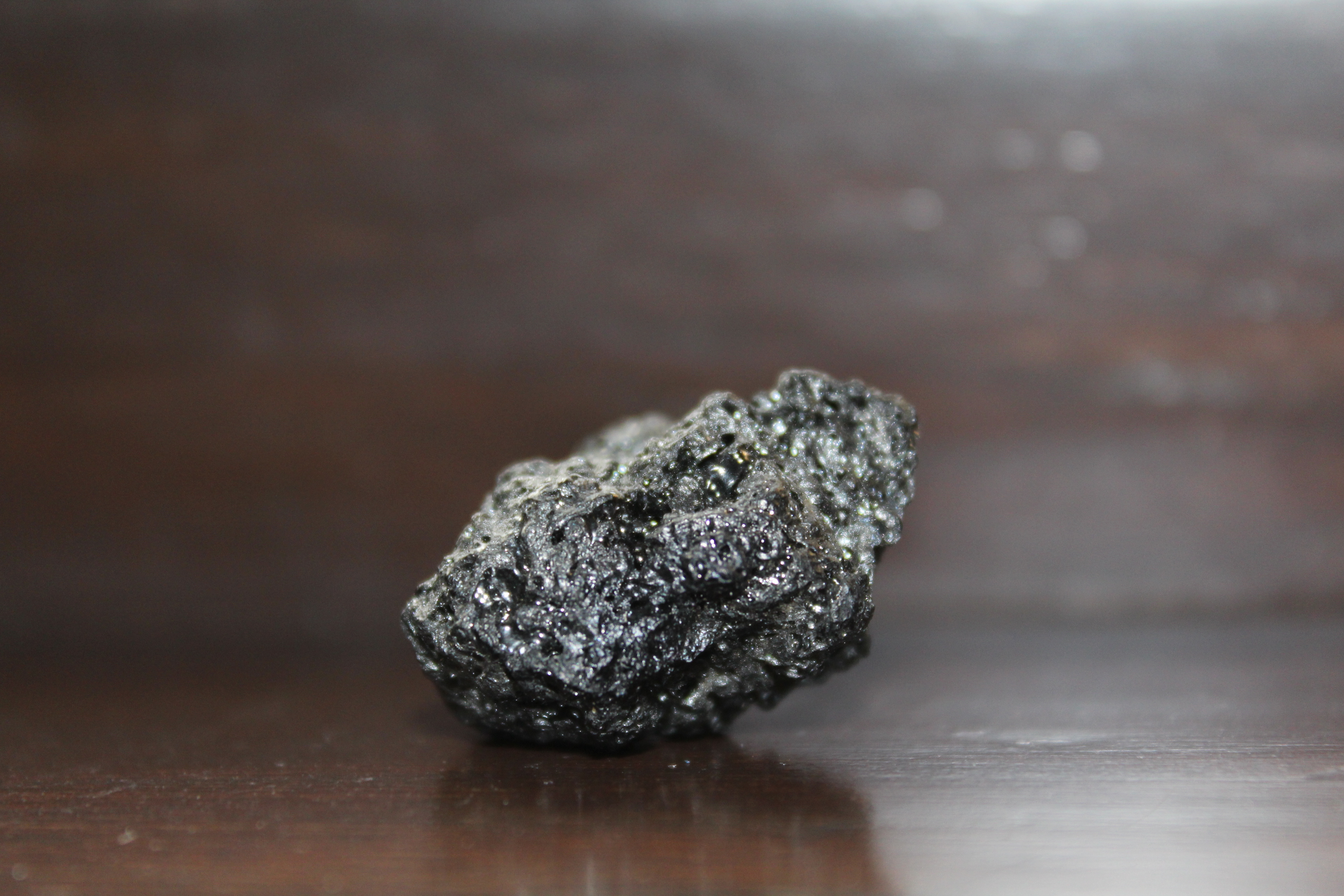
Coal is a combustible sedimentary rock formed from ancient plant material that was buried, compacted and transformed over geological time. It consists mainly of carbon, together with varying amounts of moisture, mineral matter and other elements.
Its properties are not uniform. Coal quality changes with geological rank, deposit, mining area and preparation. Buyers therefore evaluate each cargo against a defined specification and representative sampling rather than relying on the generic name of the product.
02 / PHYSICAL & CHEMICAL CHARACTERISTICS
Key Properties of Coal
Coal is assessed through a set of laboratory parameters. Values vary by source, rank, preparation and reporting basis; the following are evaluation categories, not a guaranteed IRMinEX product specification.
Calorific Value
Indicates the heat released during combustion. The reporting basis, such as as-received or air-dried, must be stated clearly.
Ash Content
Represents the non-combustible residue after controlled combustion and affects handling, disposal and combustion performance.
Total Moisture
Influences delivered energy, transport weight, storage behaviour and handling. Sampling and test method should be agreed.
Sulphur & Volatiles
Total sulphur, volatile matter and fixed carbon help characterize coal and determine suitability for the intended process.
03 / MAIN COAL RANKS & COMMERCIAL TYPES
Understanding Coal Grades
Coal is commonly classified by rank, reflecting its degree of geological transformation. Commercial descriptions such as thermal and metallurgical coal refer to intended use and performance, not simply colour or lump size.
 01
Anthracite
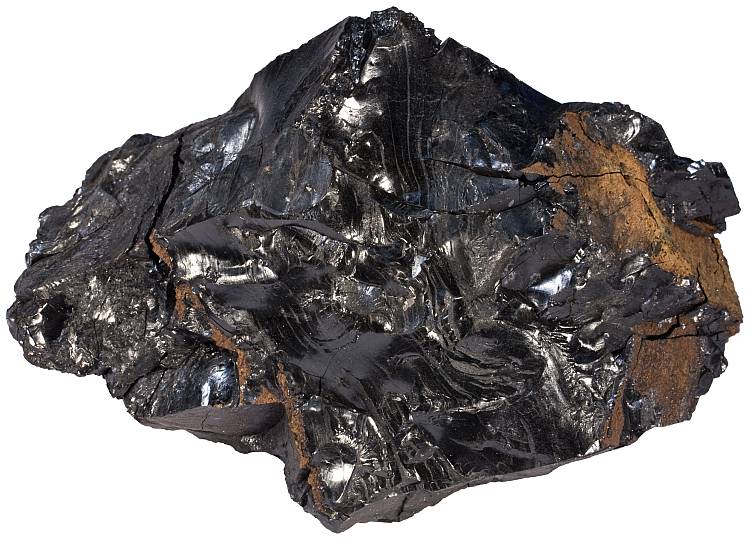
A high-rank coal generally characterized by high fixed carbon and low volatile matter. Its end use depends on the precise grade, size and reactivity requirements.
HIGH RANK / SPECIALIZED INDUSTRIAL USE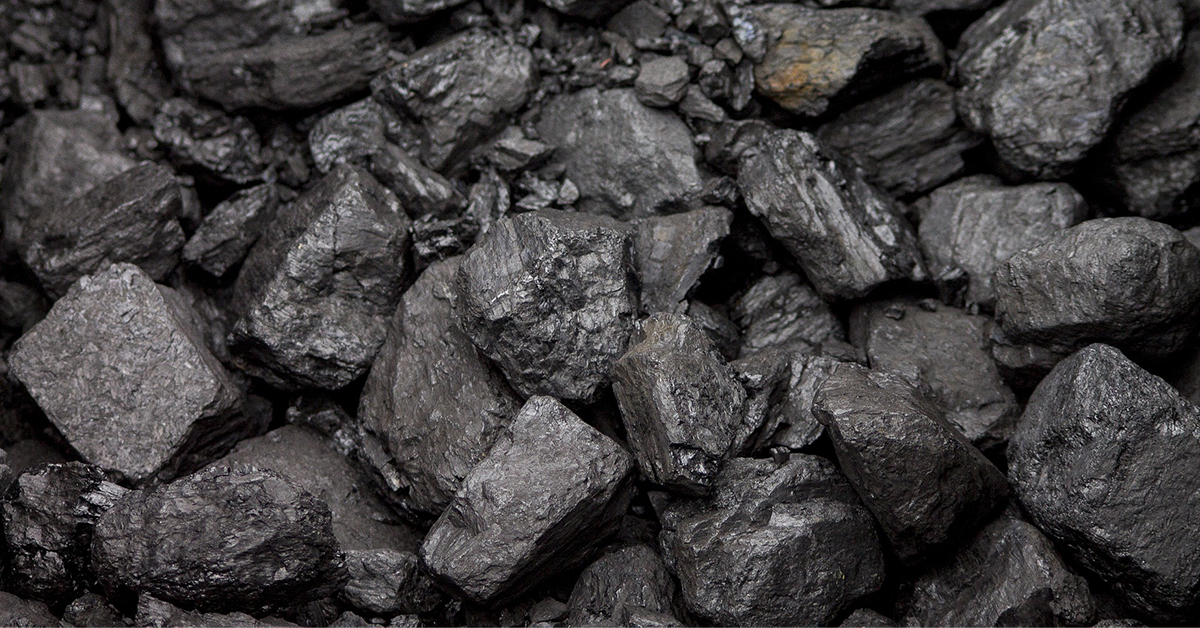 02
Bituminous Coal
A broad coal rank used in thermal applications and, for suitable caking grades, in coke production for ironmaking.
THERMAL / COKING GRADES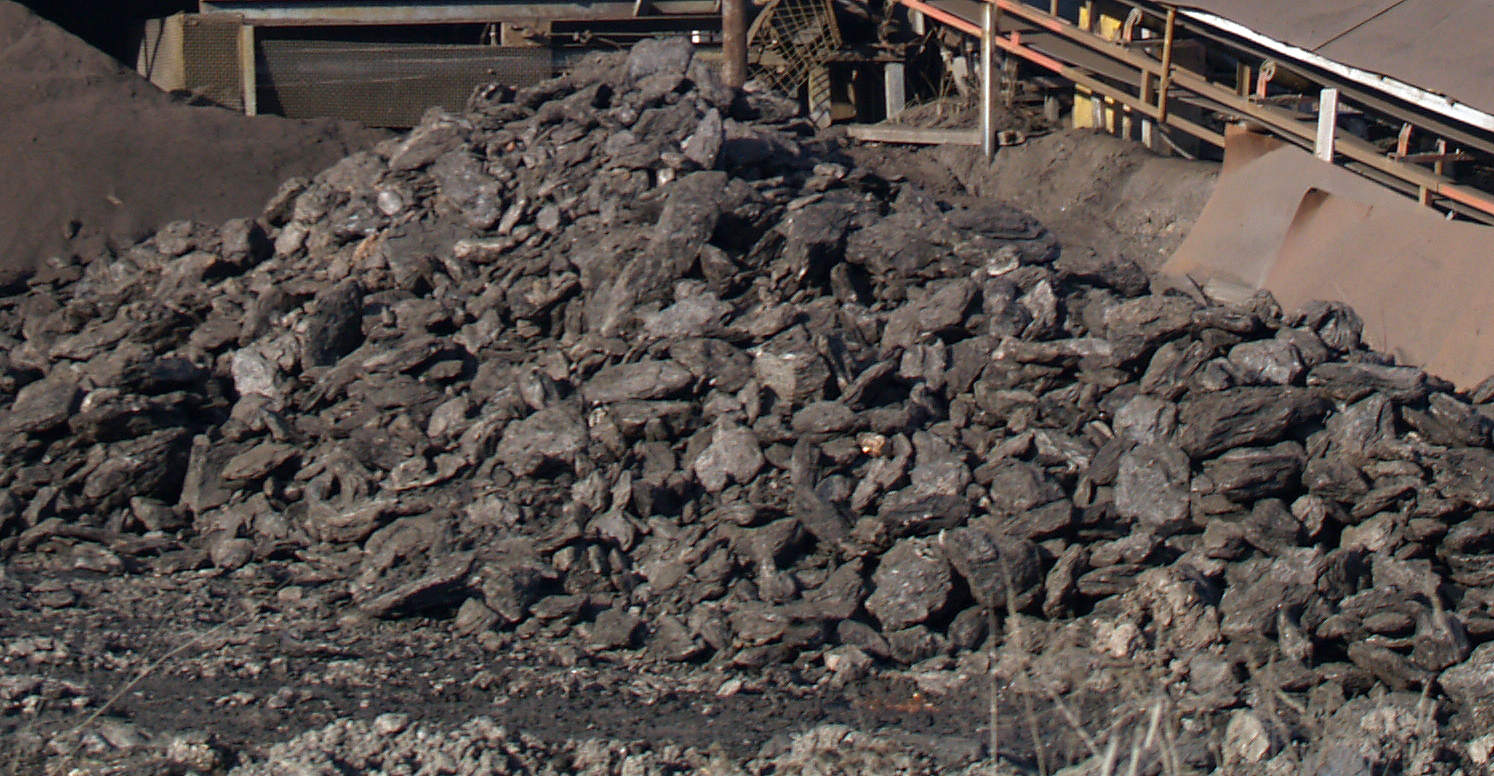 03
Sub-bituminous & Lignite
Lower-rank coals typically have higher moisture and lower energy content than higher-rank coals. Their economics are strongly affected by transport distance and plant design.
LOWER RANK / MOISTURE-SENSITIVE04 / MINING & PREPARATION
How Coal Is Produced
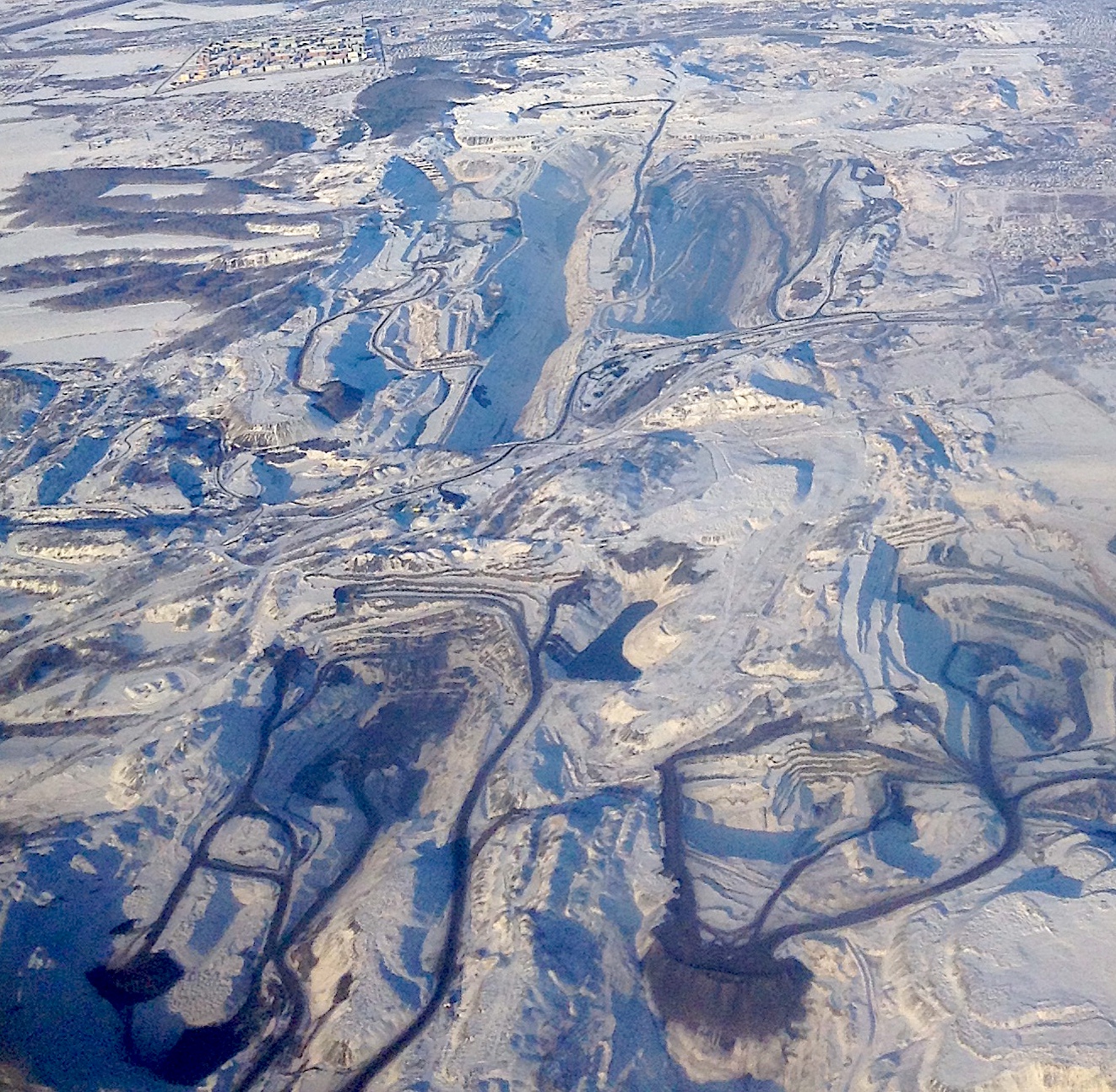
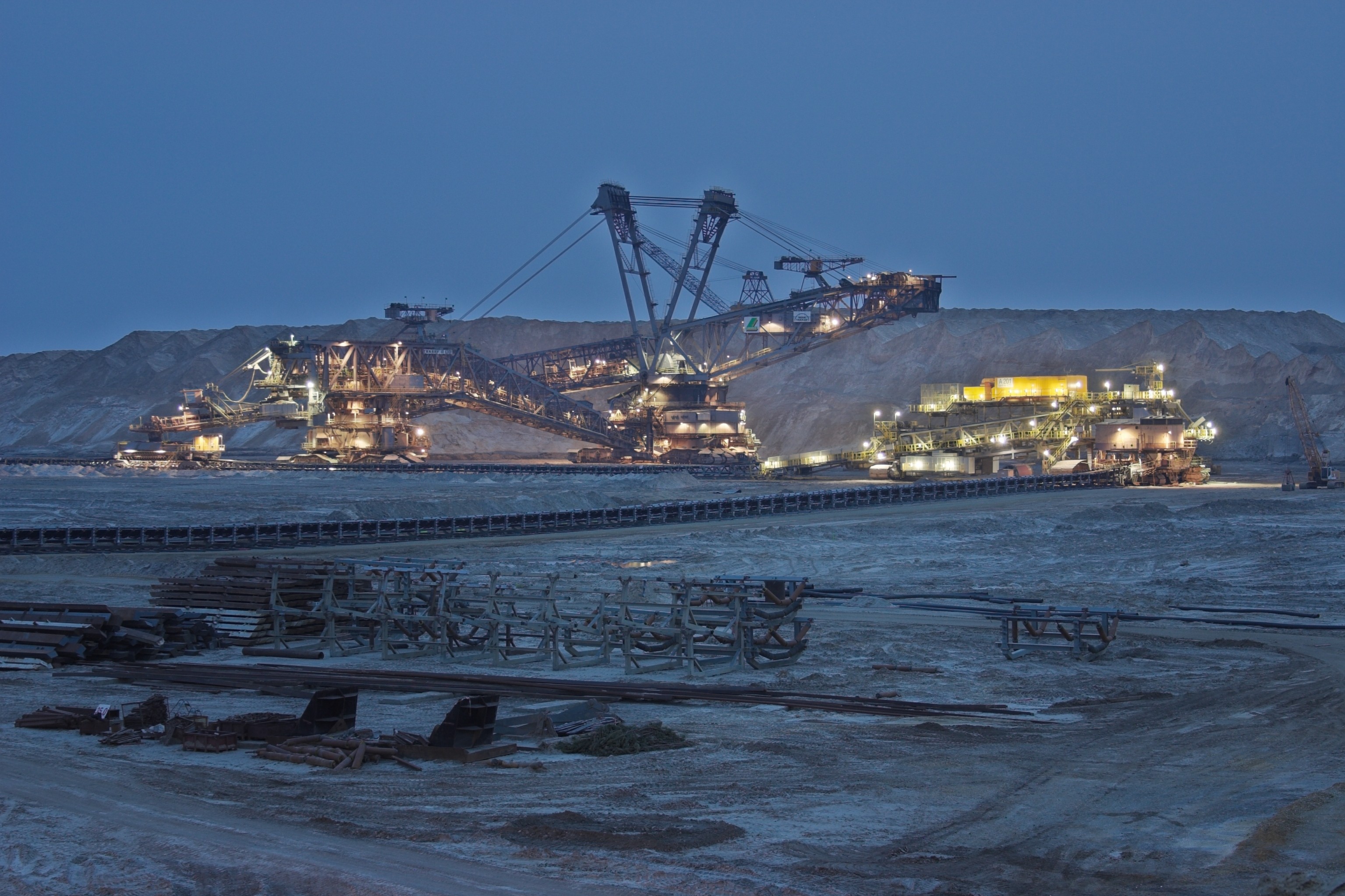
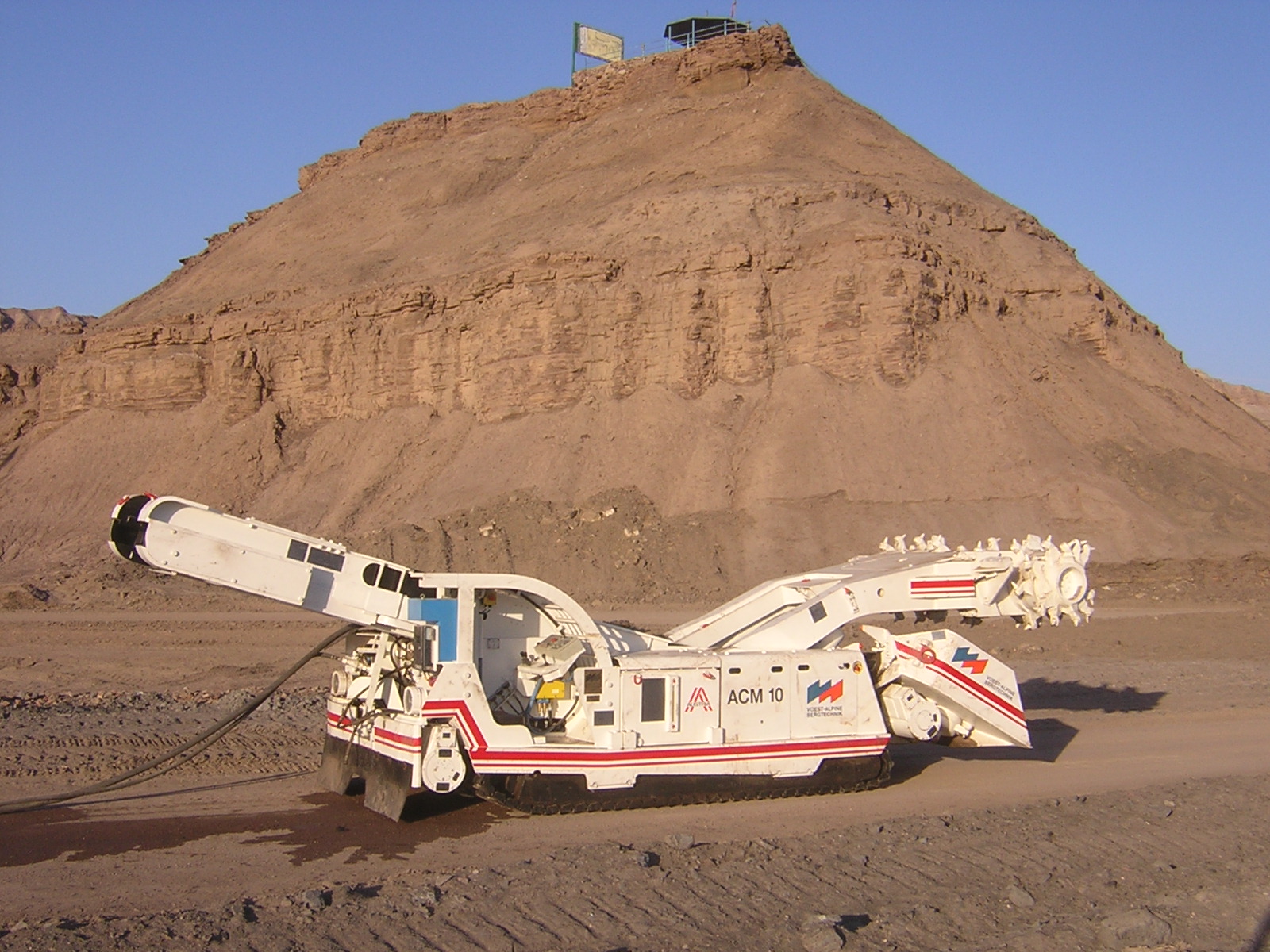
Coal is extracted from geological seams using surface or underground mining methods, depending on seam depth, geology, mine design and local conditions. Run-of-mine coal may then be processed to meet customer requirements.
Surface & Underground Mining
Surface mining is used where deposits can be accessed from above; underground methods are used for deeper seams and require specialized mine infrastructure.
Crushing, Screening & Washing
Coal may be crushed, screened and washed to separate size fractions and reduce some mineral impurities. The process and achievable quality depend on the raw coal.
From Mine to Market
A simplified overview; actual preparation plants and supply chains vary by producer and deposit.
05 / COAL PREPARATION & UPGRADING
Preparation, Sizing and Quality Control
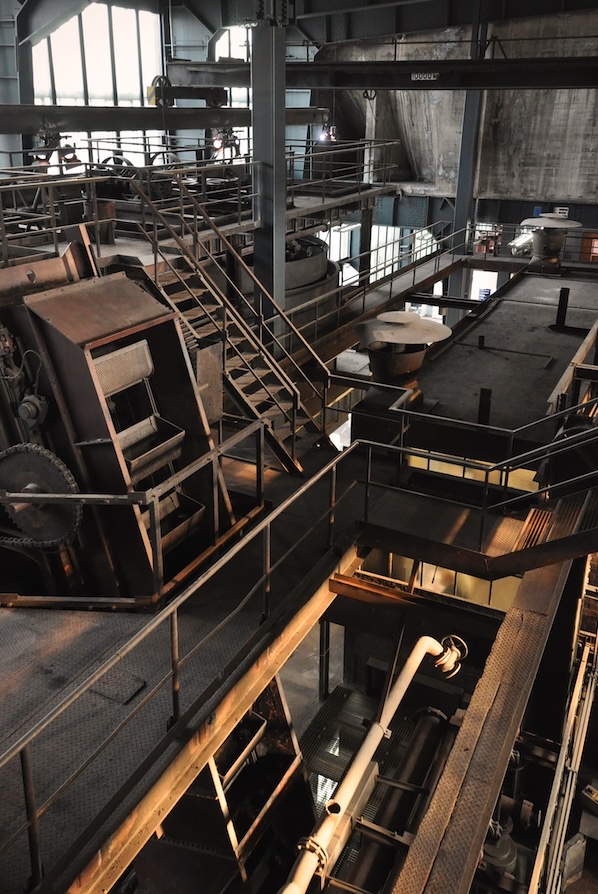
After extraction, coal may pass through crushing and screening stages to produce specified size ranges. Washing or other beneficiation methods can reduce some unwanted mineral matter where the coal’s characteristics and plant design make this practical.
Preparation does not create a universal grade. The final product must be tested after processing, and the agreed specification should define sampling procedures, tolerances and the basis for acceptance.
06 / THERMAL COAL APPLICATIONS
Coal in Industrial Energy Production
Thermal coal is used as a fuel in facilities designed and permitted to burn solid fossil fuels. Actual suitability depends on boiler design, emissions controls, fuel preparation and the delivered coal specification.
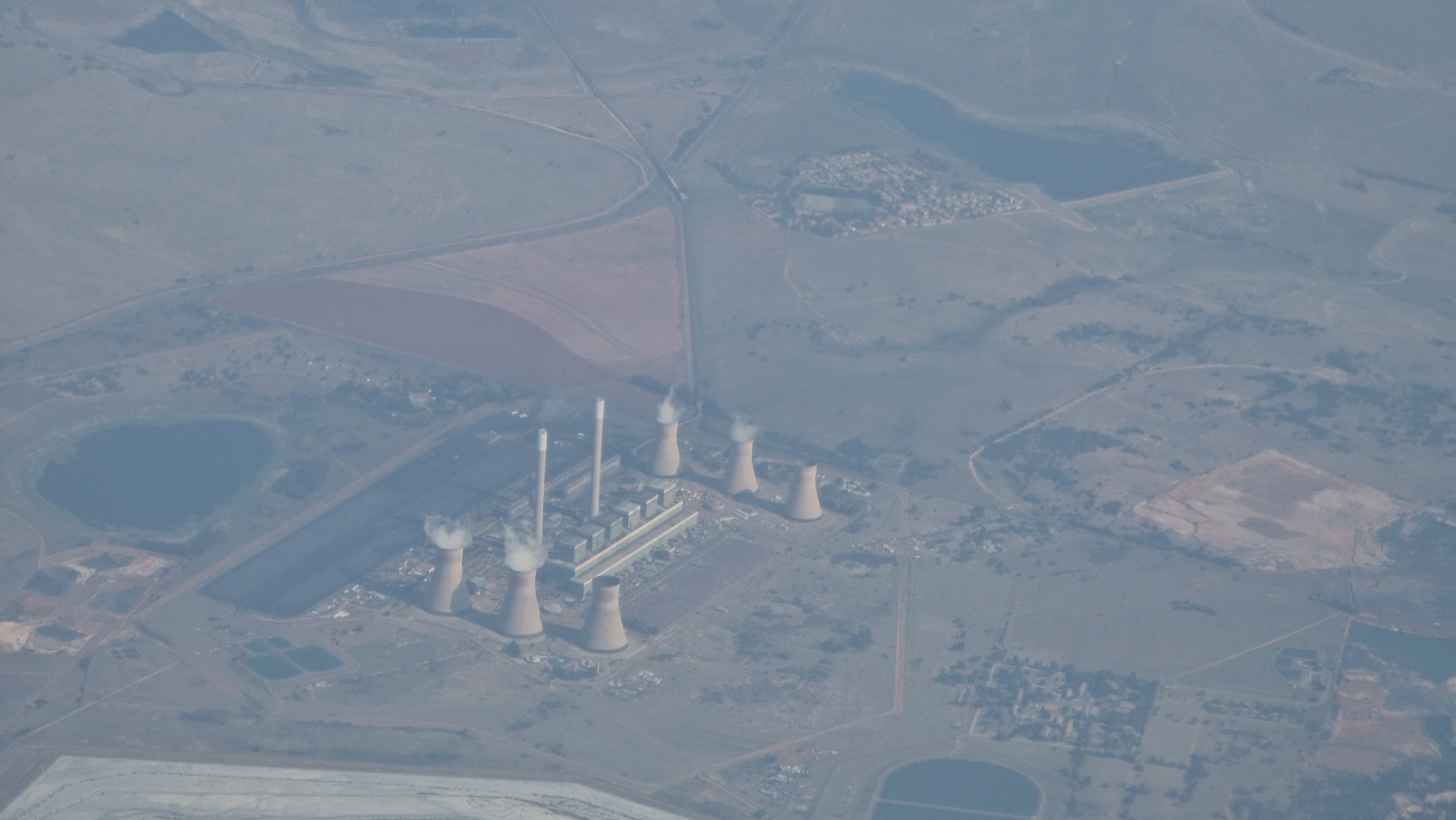 01
Power Generation
Coal is combusted in boilers to produce steam that drives turbines and generates electricity in suitable power plants.
THERMAL ENERGY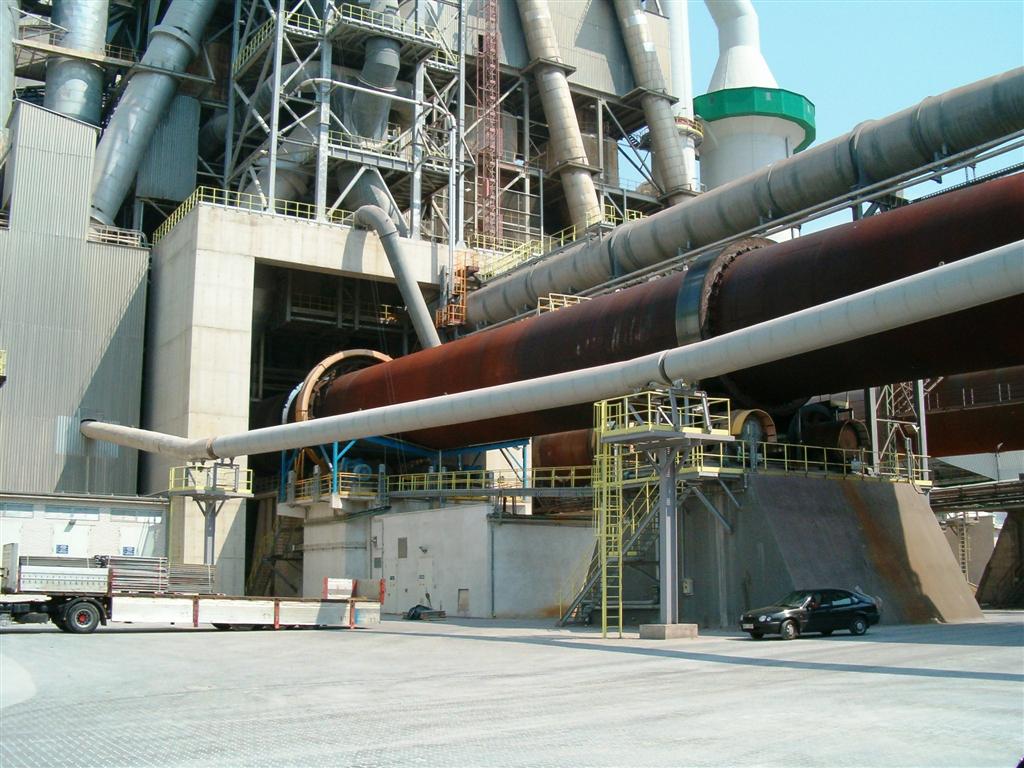 02
Cement Production
Some cement plants use coal as kiln fuel, subject to plant configuration, fuel handling systems and emissions requirements.
INDUSTRIAL HEAT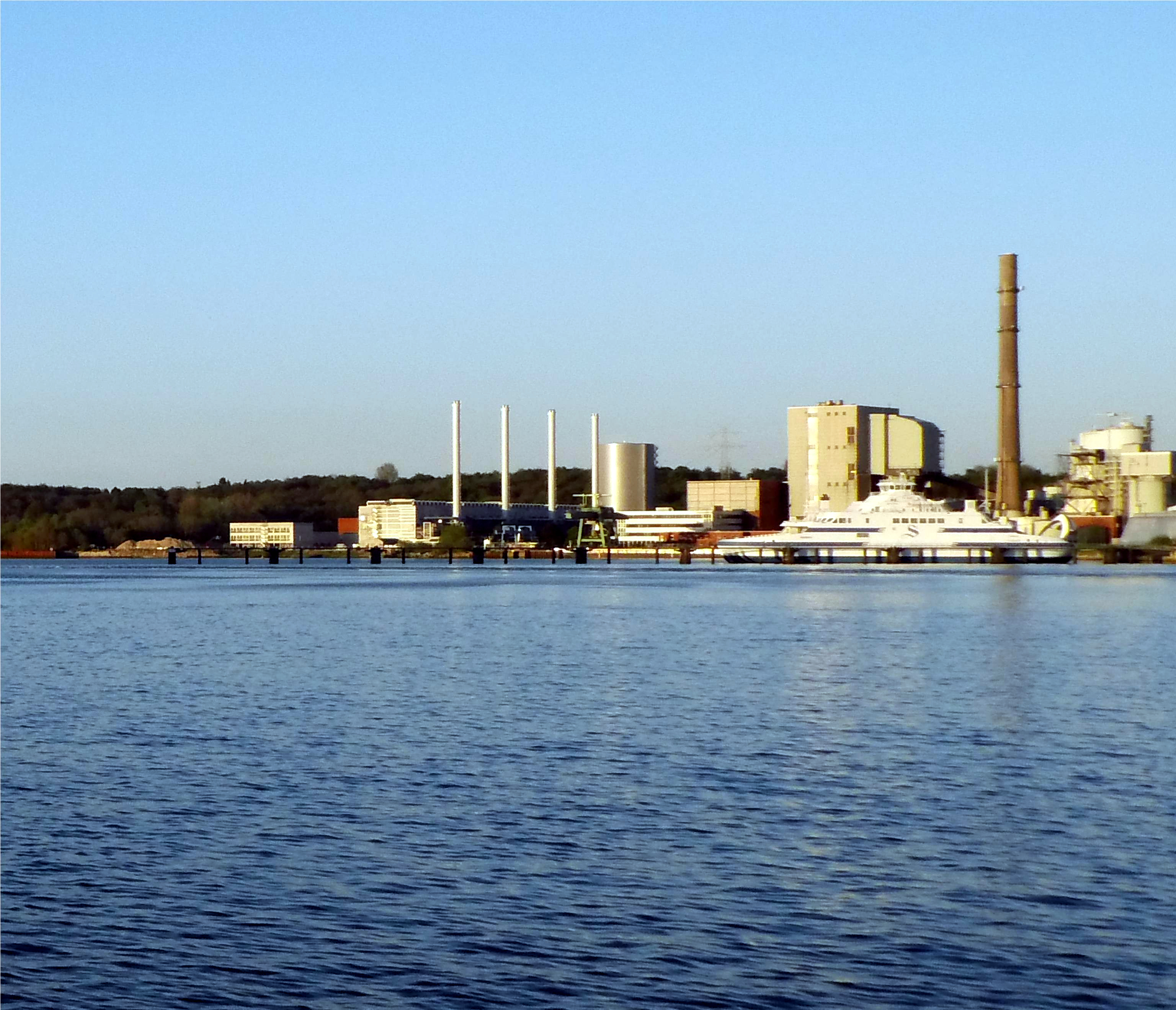 03
Industrial Boilers
Coal may supply process heat or steam in industrial sites equipped for solid-fuel combustion and compliant environmental controls.
PROCESS STEAM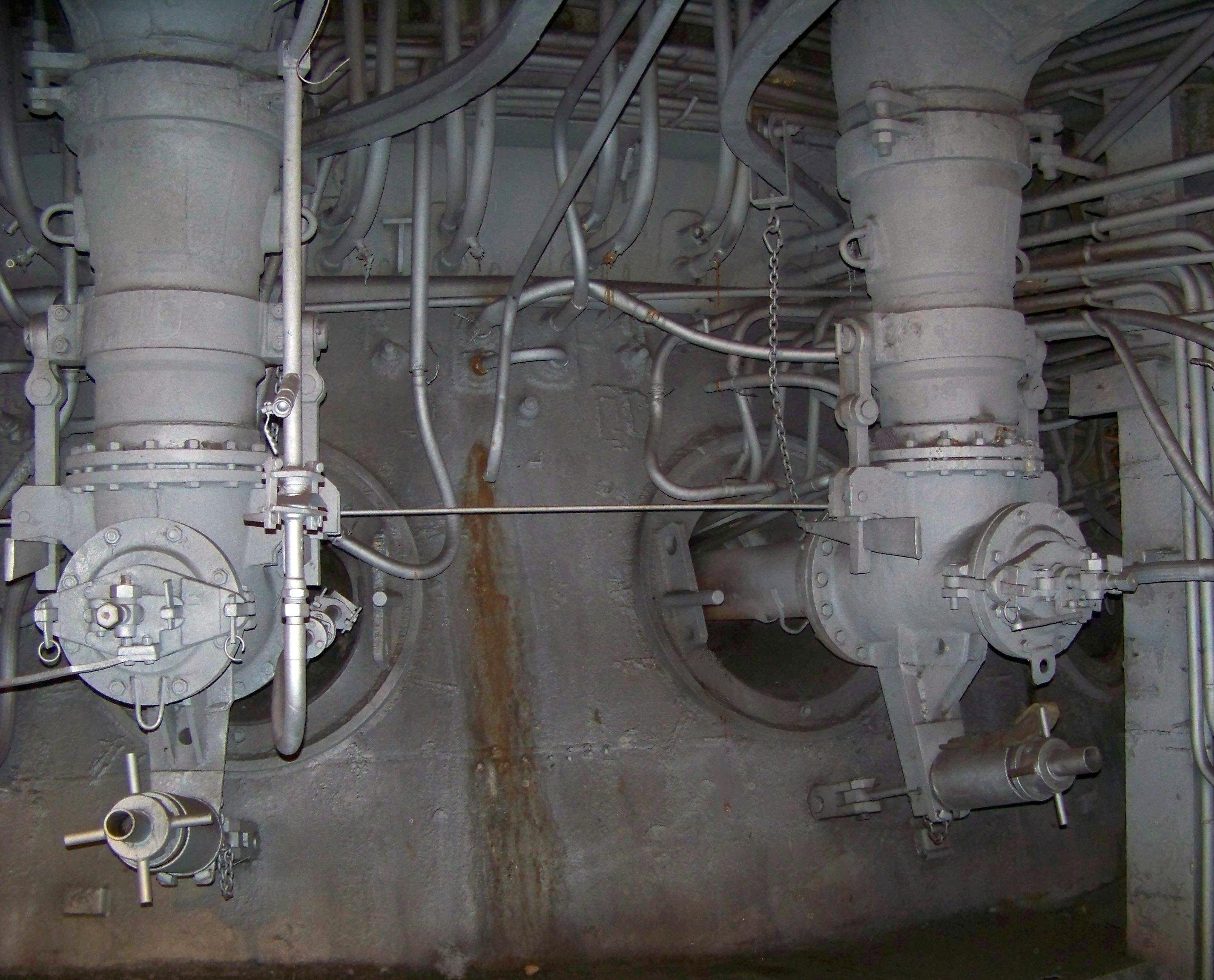
07 / METALLURGICAL COAL
Coal in the Iron and Steel Value Chain
Selected bituminous coals with suitable caking and coking properties are blended and carbonized in coke ovens to produce metallurgical coke. Coke is used in blast furnace ironmaking as a fuel, reducing agent and structural support.
Not all bituminous coal is suitable for coke production. Coking performance is assessed using specialized tests and blend requirements, and a thermal coal specification should not be treated as a metallurgical specification.
08 / COKE & INDUSTRIAL CARBON
Coal as a Feedstock for Coke
Suitable coking coals are heated in coke ovens under oxygen-limited conditions. This process drives off volatile components and produces coke, a carbon-rich solid used in metallurgical operations and certain industrial processes.
Coke quality is a separate product specification. Buyers should not infer coke strength, reactivity or ash characteristics from a generic coal description; the relevant coke or coal test results must be reviewed for the intended process.
09 / INDUSTRIAL VALUE CHAINS
Coal Across Heavy Industry
Coal and coal-derived coke serve different roles across energy-intensive industries. The applicable product type depends on the process, equipment and environmental requirements of each facility.
01Electricity & Heat
Thermal coal can be used in power stations and industrial boilers designed for solid-fuel combustion.
ENERGY SUPPLY02Iron & Steel
Suitable coking coal is converted into coke for use in traditional blast furnace ironmaking routes.
METALLURGICAL INPUT03Cement & Materials
Coal may be used as kiln fuel in cement production where plant systems and regulations allow.
PROCESS INDUSTRIES10 / PRODUCT SELECTION
Thermal Coal vs. Metallurgical Coal
These commercial categories describe different performance objectives. A coal suitable for heat generation is not automatically suitable for coke making, and specifications must be matched to the buyer’s process.
Thermal Coal
Primarily evaluated for calorific value, moisture, ash, sulphur, volatile matter, size and combustion characteristics.
Metallurgical Coal
Evaluated for caking and coking behaviour as well as ash, sulphur, phosphorus, volatile matter and other blend-specific parameters.
12 / HEALTH, SAFETY & ENVIRONMENT
Safe Coal Handling Requires Site-Specific Controls
Coal handling can create respirable dust, and some coal types may present risks associated with combustible dust, self-heating or methane in mining environments. The risk profile depends on the material, particle size, moisture, storage conditions and operating site.
Mining, stockpiling, conveying, loading and transport should follow applicable occupational safety, fire prevention, dust suppression, ventilation and environmental requirements. Use the supplier’s current safety documentation and site risk assessment.
Use suitable dust controls, housekeeping, ventilation and respiratory protection based on measured exposure and local rules.
Manage stockpile geometry, temperature monitoring, access and fire response according to coal characteristics and site procedures.
Control stormwater, suspended solids, dust and combustion emissions; prevent uncontrolled releases from storage and handling areas.
13 / IRAN'S COAL INDUSTRY
Iran’s Coal Resources and Supply Context
Iran has coal-bearing regions and a domestic coal-mining and processing sector. Coal is relevant to parts of the country’s steel and industrial value chains, but mine output, product grades and commercial availability vary by producer and period.
This page does not represent a live inventory statement or a confirmation of exportable tonnage. Any Iranian-origin supply enquiry should be checked against the specific mine or supplier, current production status, product analysis, logistics and applicable destination requirements.
Current Supply Verification
Coal type, mine origin, size, calorific value, moisture, ash, volatile matter, fixed carbon, sulphur, phosphorus where relevant, stock, price, loading point, shipment window and destination eligibility must be checked directly for each enquiry.
14 / STORAGE & EXPORT LOGISTICS
Planning Coal Storage and Shipments
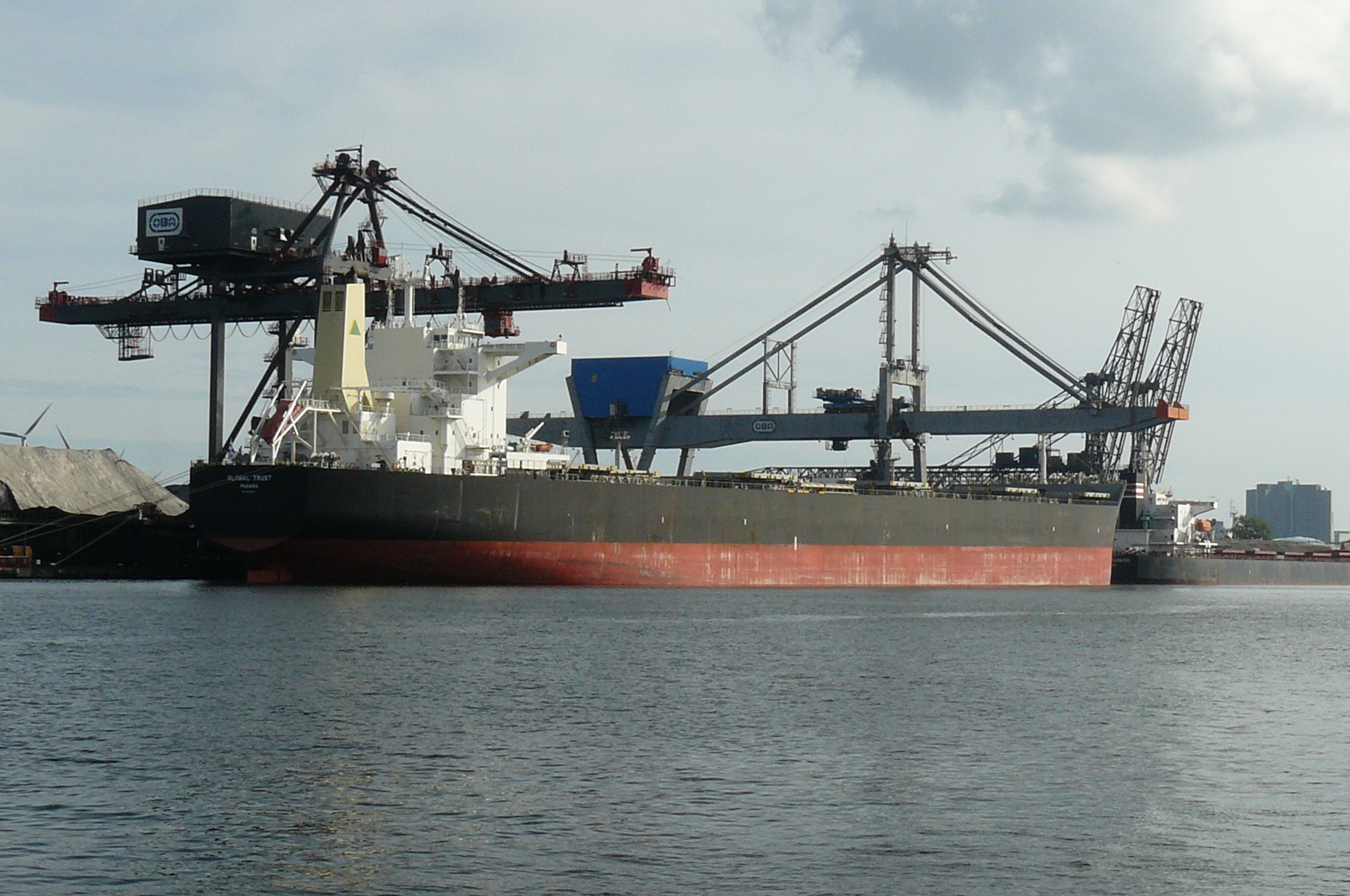
Coal is generally transported as a bulk solid. Storage and shipment plans should account for particle size, moisture, dust generation, self-heating potential, contamination prevention and the requirements of the receiving facility.
Stockpile Management
Confirm stockpile location, drainage, dust suppression, segregation, temperature monitoring, fire response and protection from contamination.
Bulk Cargo Handling
Agree loading terminal, cargo quantity, size distribution, moisture limits, sampling, draft survey or weighing method, documentation and destination requirements.
From Grade Confirmation to Shipment
Each stage is subject to supplier confirmation, cargo inspection and destination-specific requirements.
15 / QUALITY & TECHNICAL DOCUMENTATION
What Should Coal Buyers Verify?
Coal is a variable natural material. A commercial enquiry should identify the intended application and include a complete, batch-relevant specification with clear test methods and reporting basis.
16 / FREQUENTLY ASKED QUESTIONS
Coal: Common Buyer Questions
General product information only. Exact quality, current availability, origin and commercial terms must be confirmed for each enquiry.
What is coal?
Coal is a combustible sedimentary rock formed from ancient plant material. It contains carbon and variable amounts of moisture, mineral matter and other elements.
What is the difference between thermal and metallurgical coal?
Thermal coal is primarily used for heat and power generation. Metallurgical coal has specific coking properties and is used to produce coke for certain steelmaking routes.
What are the main coal ranks?
Common rank categories include anthracite, bituminous, sub-bituminous and lignite. Their properties and typical applications differ.
Which parameters define coal quality?
Common parameters include calorific value, total moisture, ash, volatile matter, fixed carbon, total sulphur and size distribution. Coking grades require additional specialized tests.
Can all bituminous coal be used for coke production?
No. Coking suitability depends on caking and coking behaviour and other quality parameters. A generic bituminous coal description is not enough to establish suitability.
Does IRMinEX publish live stock or prices?
This product page does not provide live inventory, current prices or confirmed shipment schedules. These details must be verified for each enquiry.
IRMINEX / COAL ENQUIRY
Discuss Your Coal Requirements
Share the required coal type, intended application, technical specification, quantity, size range, loading terms and destination so the enquiry can be reviewed against supplier and logistics conditions.