
PETROLEUM PRODUCTS / HEAVY FUEL OIL
Mazut from Iran
A Heavy Residual Fuel for Industrial and Energy Applications
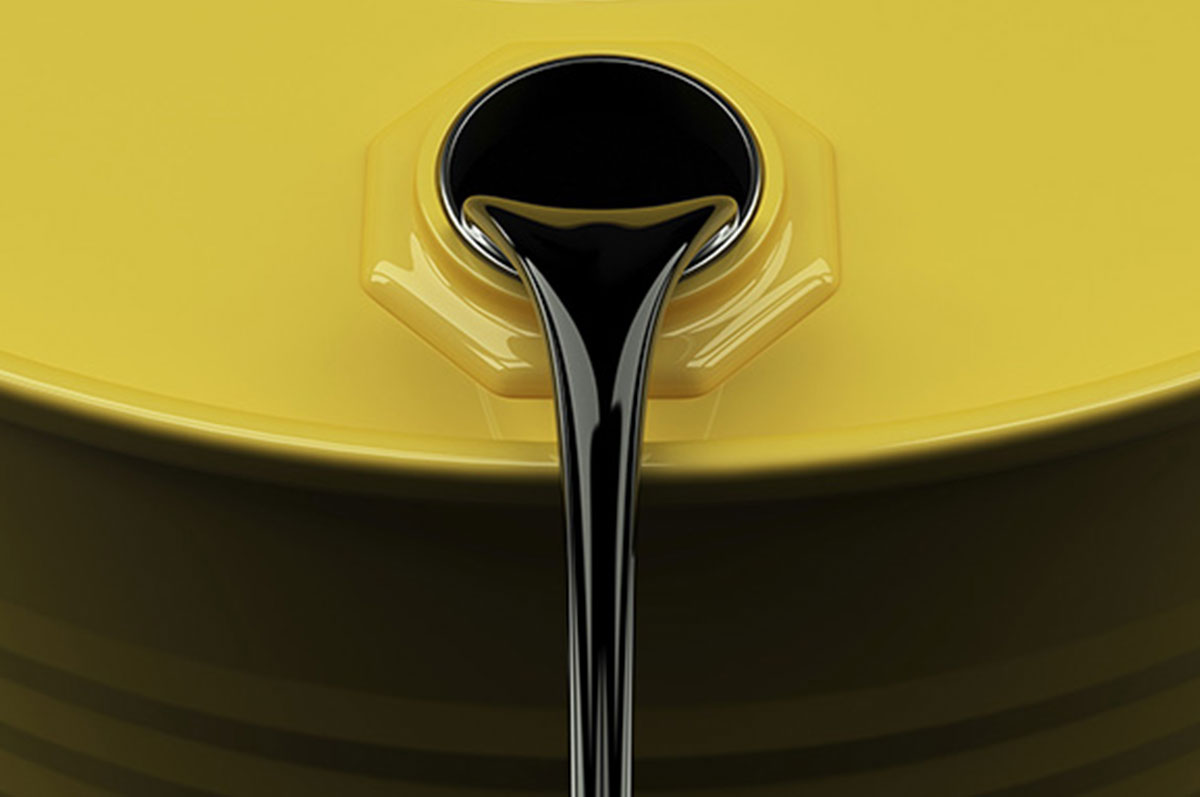
Mazut is a heavy, viscous fuel obtained from crude oil refining. Its dark appearance, high density and viscosity make it a fuel used in selected industrial and power-generation applications, as well as in some large vessels and machinery. Product properties and suitability depend on the specific grade and current supplier documentation.
01 / PRODUCT OVERVIEW
What Is Mazut?
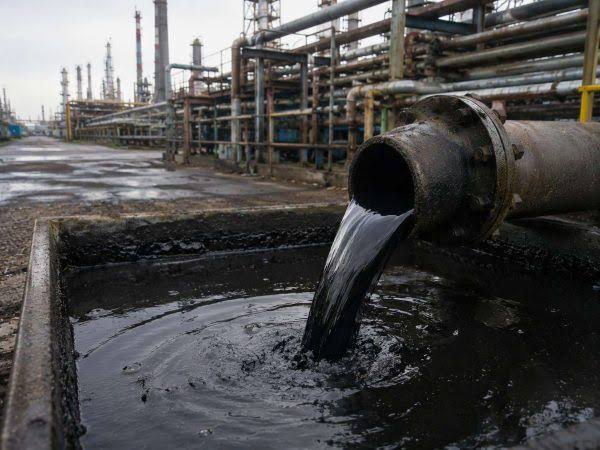
Mazut is a type of heavy and viscous fuel obtained from the refining of crude oil. It is typically used as an industrial and power-plant fuel in countries with large industries and demand for lower-cost fuel sources.
The original IRMinEX project article describes mazut as a heavy fraction of crude oil that can be used directly for energy production or as a raw material in selected chemical processes. Its properties and possible uses vary according to the material supplied.
02 / PHYSICAL & CHEMICAL CHARACTERISTICS
Key Properties of Mazut
The original IRMinEX page describes general characteristics of mazut. These are not a commercial specification, guaranteed analysis or substitute for the technical documents of a specific supply lot.
Appearance
Mazut is usually a thick liquid with a dark color, commonly brown or black.
Chemical Composition
The legacy article describes mazut as consisting of hydrocarbons.
Density & Viscosity
The source page identifies high density and high viscosity as characteristic properties.
Melting Point
The original page characterizes mazut as having a high melting point but does not provide a numerical value.
03 / COMPOSITION & COMBUSTION
Sulfur, Nitrogen and Combustion Emissions
The original IRMinEX article notes that mazut contains significant amounts of sulfur and nitrogen. During combustion, these elements can contribute to the formation of pollutant gases.
The legacy page specifically names sulfur dioxide (SO₂), carbon dioxide (CO₂) and nitrogen oxides (NOₓ) among the gases associated with mazut combustion. Actual emissions depend on fuel composition, combustion conditions and the plant’s emission-control systems.
04 / PRODUCTION PROCESS
How Mazut Is Produced
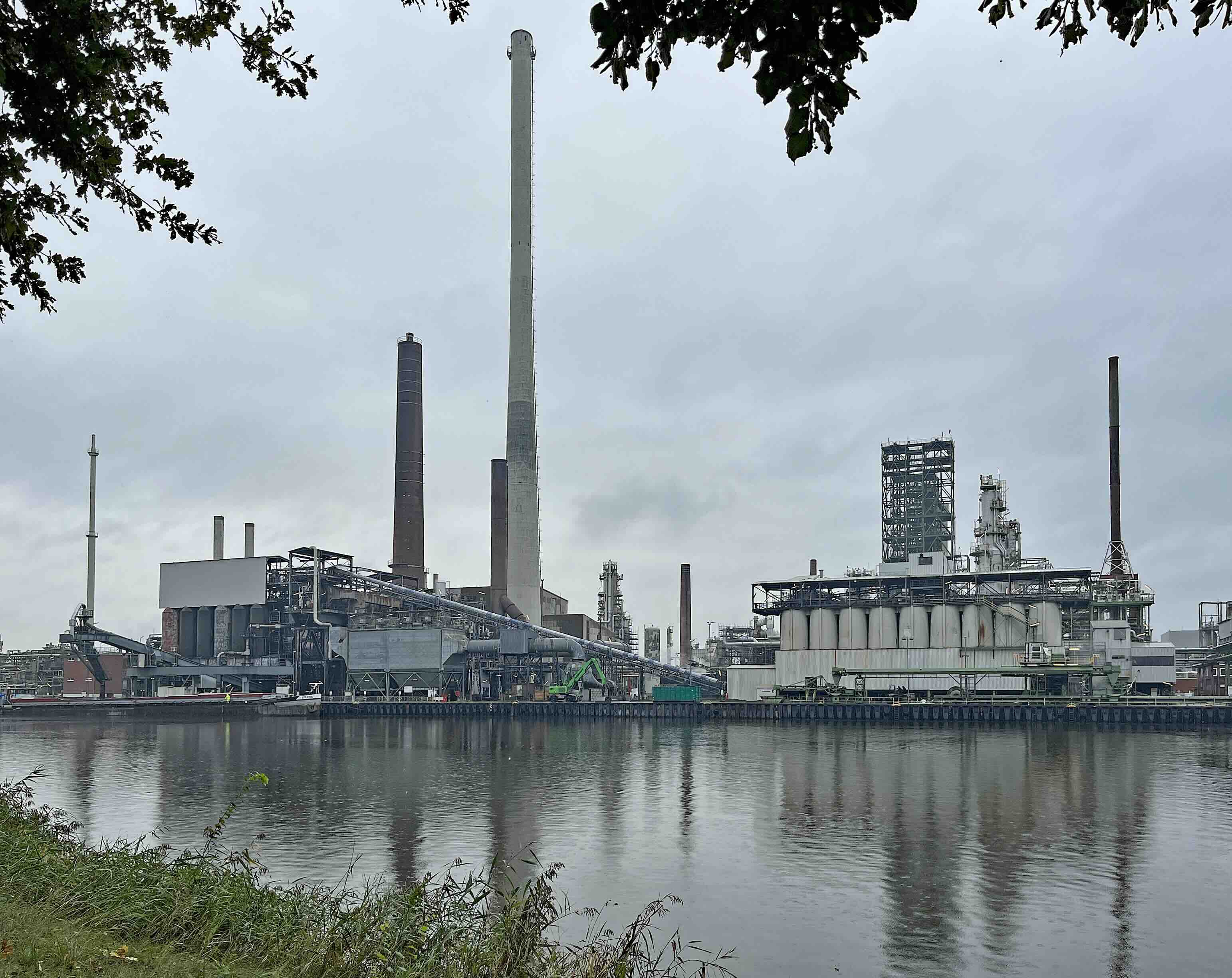
The original IRMinEX article explains that mazut is derived from crude oil refining and represents a heavy, viscous fraction of crude oil. It is obtained from the denser portions of the crude-oil stream.
Refinery Feedstock
Crude oil enters a refinery and is processed into different petroleum fractions.
Residual Fuel
Mazut is associated with the heavier and denser portions of crude oil, which are distilled at higher temperatures.
From Crude Oil to Heavy Fuel
A simplified representation of the refining description in the legacy IRMinEX article; actual refinery configurations vary.
05 / REFINERY FRACTIONS
Heavy Fractions of Crude Oil
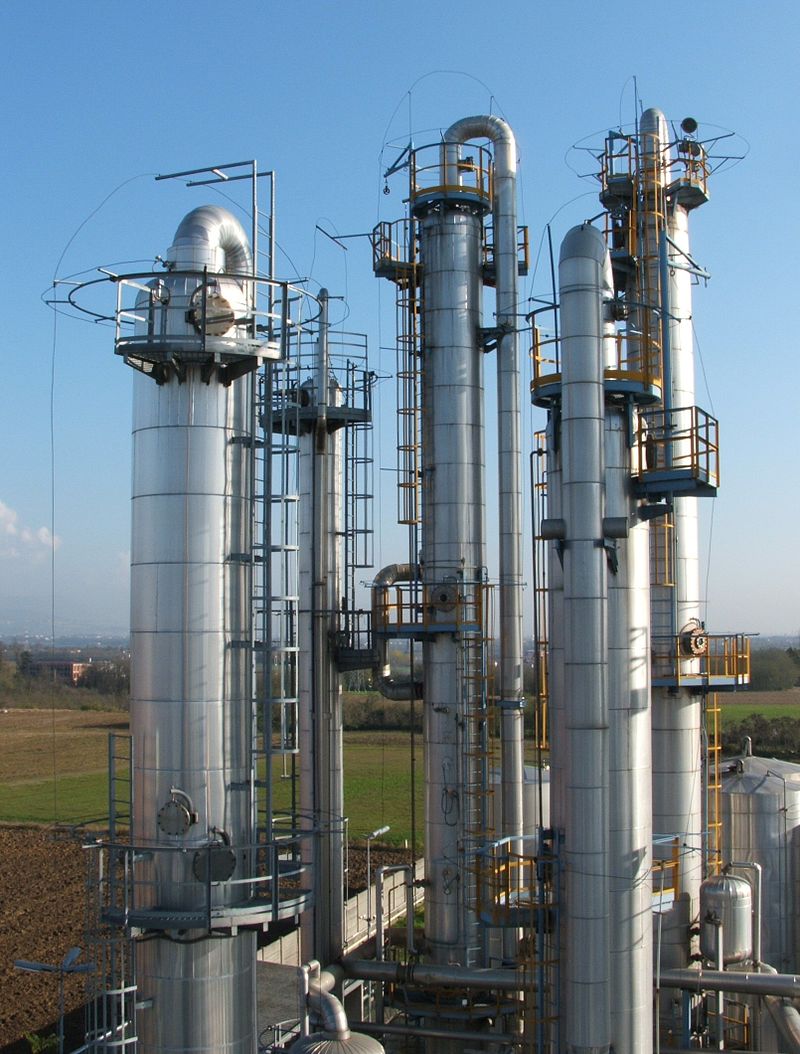
The legacy IRMinEX article describes crude oil as being divided in refineries into several fractions, including gasoline, diesel, kerosene and mazut.
It identifies mazut as a heavy and dense portion of crude oil that is distilled at higher temperatures. The exact composition and quality of the resulting fuel depend on the crude feed and refinery process and must be verified for each offered product.
06 / ENERGY INDUSTRY
Mazut in Energy Production
The original IRMinEX page identifies the energy industry as one of the main areas of mazut use. It notes that heavy fuel can be used in thermal power plants for electricity generation.
The source article describes these plants as facilities that may be located in areas where mazut is available as a lower-cost fuel source. The suitability of a particular product depends on the plant’s approved fuel requirements and current technical specifications.
07 / THERMAL POWER PLANTS
Fuel for Thermal Power Generation
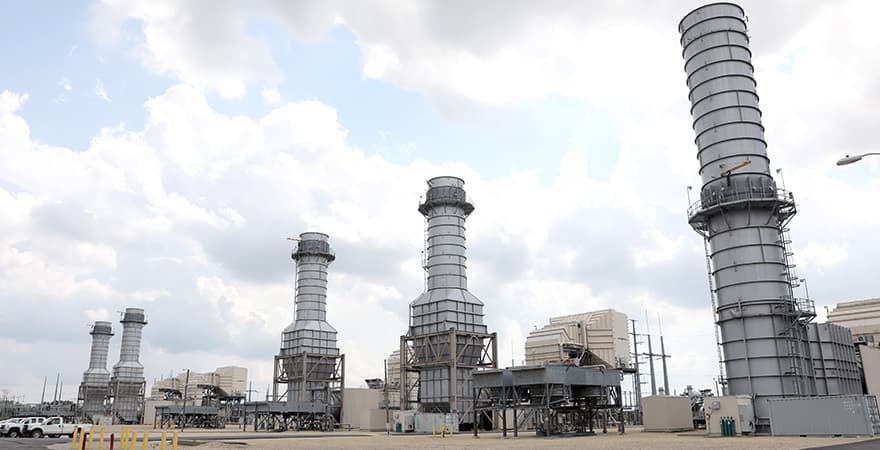
The original IRMinEX article describes mazut as a fuel used predominantly in thermal power plants for electricity generation.
 01
Electricity Generation
Mazut is identified in the source article as a fuel for thermal power plants.
ENERGY INDUSTRY02Heavy Fuel Characteristics
The article associates mazut’s use in heavy industry with its density, viscosity and ability to generate significant heat.
HEAVY FUEL03Refinery Supply Chain
Mazut is obtained as a heavy fraction during crude oil refining.
REFINERY PRODUCT
08 / TRANSPORTATION INDUSTRY
Mazut in Marine and Heavy Machinery Applications
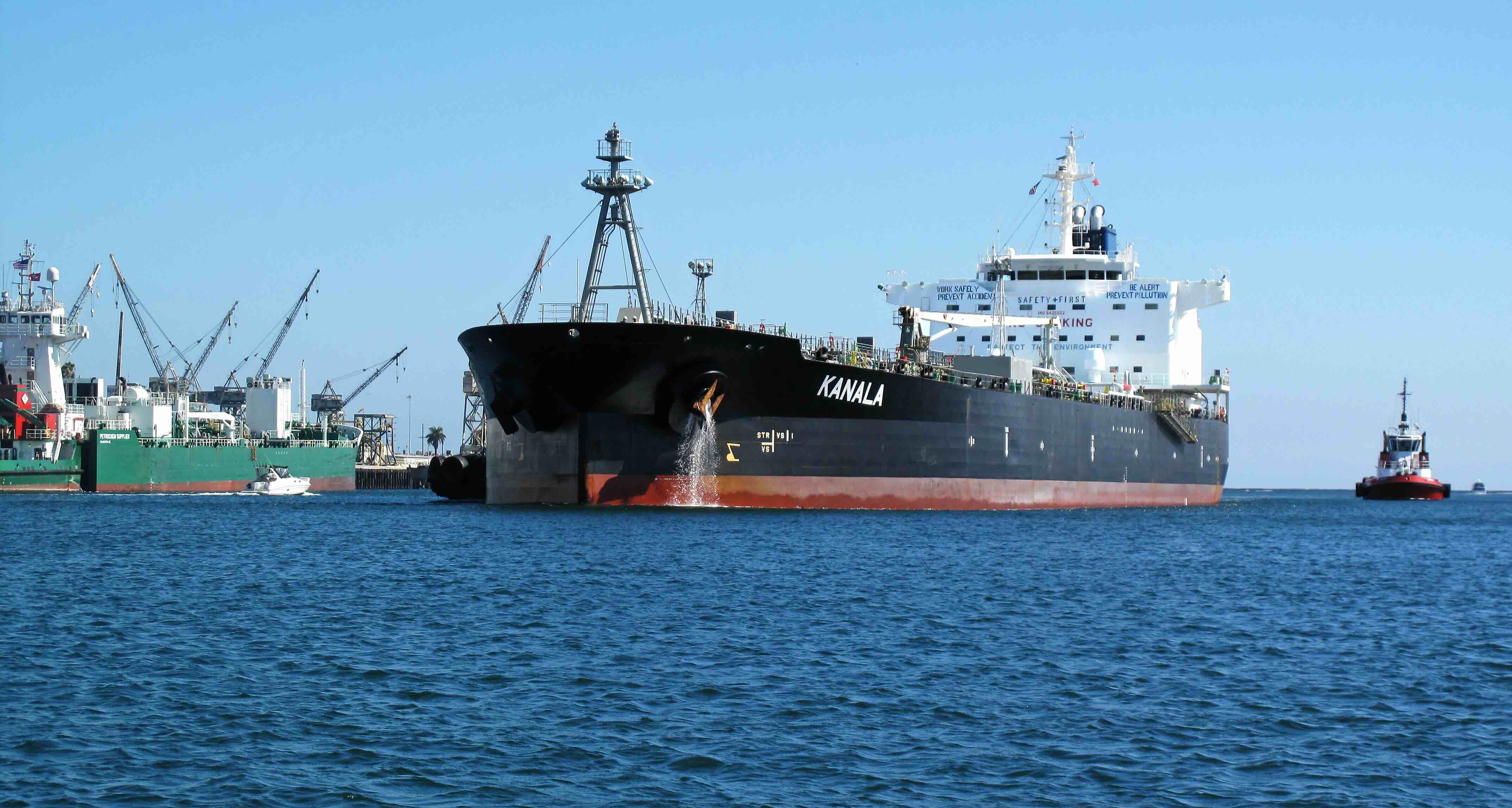
The original IRMinEX article notes that mazut is used in some ships and large industrial machinery that require heavy fuels. It identifies transportation as one of the sectors in which mazut may be used as a primary fuel.
The source does not define vessel type, engine configuration or a specific marine fuel grade. Any proposed supply must be checked against the vessel or equipment operator’s approved fuel specification and applicable requirements.
09 / PETROCHEMICAL INDUSTRY
Mazut as an Industrial Raw Material
The legacy IRMinEX page identifies petrochemical production as another application area for mazut. It states that mazut can serve as a raw material in the production of certain chemical products, including acids and plastics.
The source does not specify particular downstream processes, product names, yields or plant configurations. These details should not be inferred from the general description and must be confirmed with the relevant producer or receiving facility.
10 / CEMENT INDUSTRY
Fuel for Cement Production
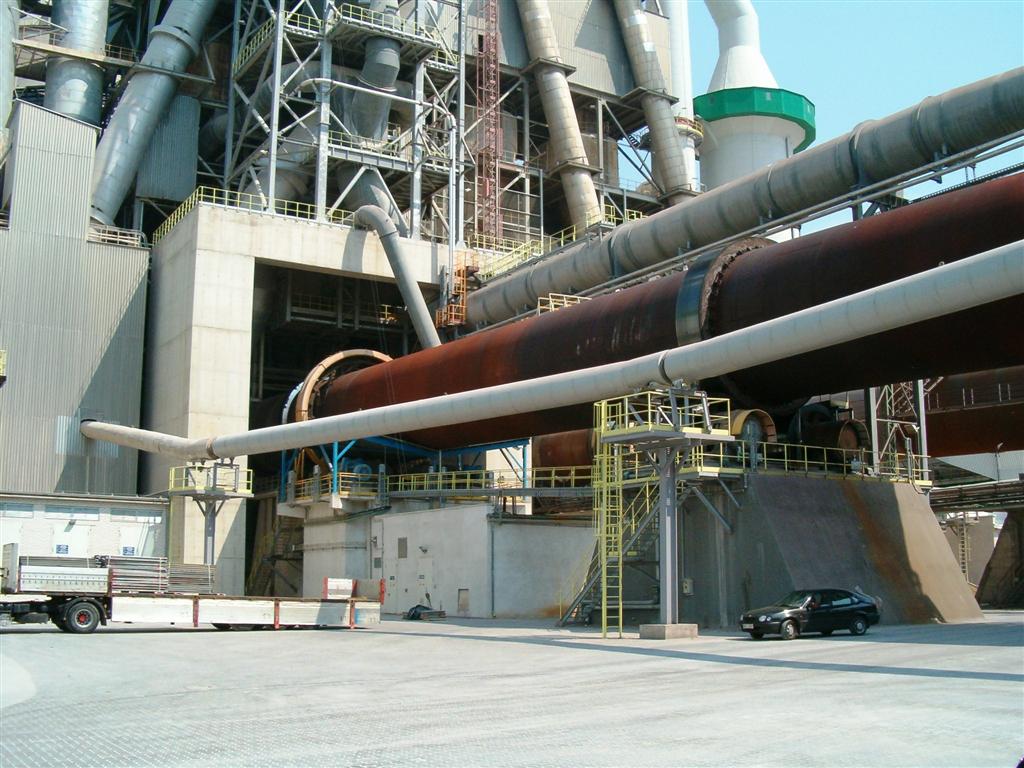
The original IRMinEX article notes that some cement factories use mazut as a fuel to generate the heat and energy required for industrial processes.
 01
Cement Factories
The source identifies cement manufacturing as one of the industrial sectors using mazut.
INDUSTRIAL FUEL02Heat Generation
Mazut is described as a fuel used to generate heat and energy in selected industrial facilities.
THERMAL APPLICATION03Fuel Supply
Actual fuel suitability depends on the cement plant’s equipment and approved fuel specification.
SUPPLY VERIFICATION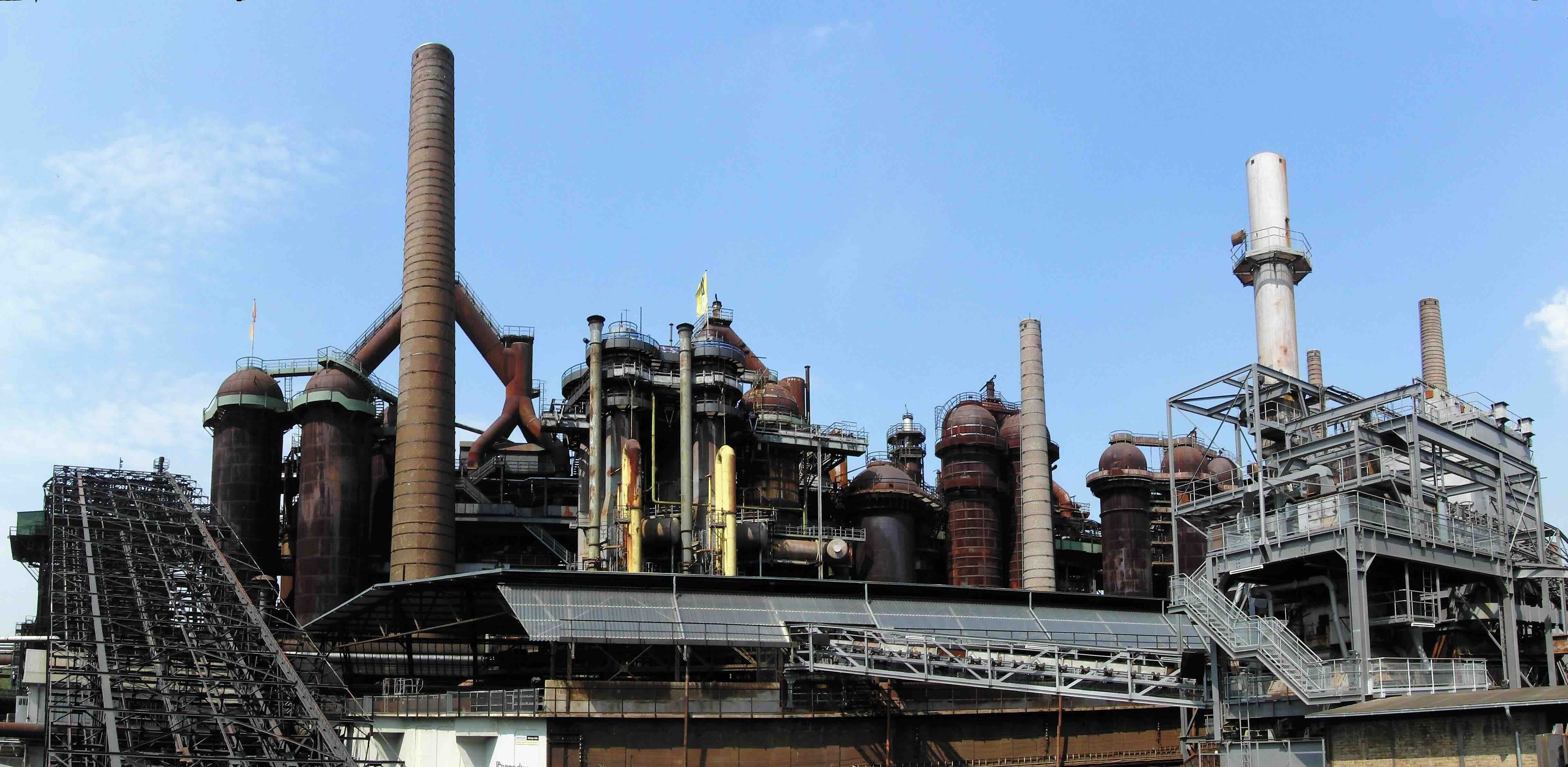
11 / STEEL INDUSTRY
Mazut in Steel and Alloy Production
The original IRMinEX article states that mazut is used in steel plants during certain thermal processes involved in the production of steel and alloys.
The source does not identify specific furnaces, process stages or operating conditions. Any potential use must be evaluated against the receiving plant’s fuel system and technical requirements.
12 / OIL & GAS INDUSTRY
Use in Refinery and Oil & Gas Operations
The legacy IRMinEX article identifies oil and gas as another area in which mazut may be used. It notes that some refineries use mazut as a fuel or as a raw material for producing various gases.
The source does not specify the exact gases, production process or equipment. The new page therefore keeps this description at the same general level and does not assign an unverified process route.
14 / LIMITATIONS & CHALLENGES
Environmental and Operational Considerations
The original IRMinEX article identifies environmental pollution, high viscosity and potential health hazards as disadvantages associated with mazut.
Environmental Impact
The source notes that sulfur and other pollutants can contribute to smoke and harmful gases during combustion.
Flow and Handling
Because mazut is dense and viscous, the source states that it does not flow easily and requires pre-heating for use in machinery.
Health Considerations
The legacy page warns that spills or skin exposure can harm health and that mazut use may cause respiratory issues.
Handling Requirements
Product handling and use must account for its viscosity and the requirements of the equipment in which it is used.
15 / IRAN'S MAZUT INDUSTRY
Iran’s Role in Mazut Production and Export
The original IRMinEX project page, dated 30 November 2024, describes Iran as one of the world’s major oil producers and a significant producer of mazut. It states that Iranian refineries produce mazut as part of the crude oil refining process.
The same source notes that mazut is used as fuel in domestic and international industries and that Iran exports mazut to various countries. These statements reflect the legacy project article and do not confirm current export availability, volume or destination eligibility.
Current Supply Verification
Product grade, viscosity, density, sulfur content, other technical specifications, packaging, stock, price, loading point, shipment window, documentation and destination eligibility must be checked directly for each enquiry. This page does not confirm current availability or exportable tonnage.
16 / FREQUENTLY ASKED QUESTIONS
Mazut: Common Buyer Questions
General information based on the legacy IRMinEX project article. Product specifications, current availability and commercial terms must be confirmed for each enquiry.
What is mazut?
Mazut is a heavy and viscous fuel obtained from crude oil refining. The original IRMinEX article describes it as a heavy fraction of crude oil.
What does mazut look like?
The source describes mazut as a thick liquid with a dark color, commonly brown or black.
What are the main characteristics of mazut?
The legacy page identifies hydrocarbon composition, high density, high viscosity, a high melting point and significant sulfur and nitrogen content as general characteristics.
How is mazut produced?
The original article explains that mazut is obtained from the heavier and denser portions of crude oil during refining and distillation at higher temperatures.
What are the main applications of mazut?
The source lists thermal power plants, some ships and large machinery, petrochemical processes, cement factories, steel plants and certain refinery operations.
Does this page confirm current Iranian mazut stock or price?
No. The legacy article describes Iran’s production and export role but does not provide live availability, grade, price, export volume, shipment window or destination eligibility. These details must be verified for each enquiry.
IRMINEX / MAZUT ENQUIRY
Discuss Your Mazut Requirements
Share the required grade, technical specification, intended application, quantity, packaging, loading terms and destination so the enquiry can be reviewed against supplier, safety, regulatory and logistics requirements.