
PETROCHEMICAL PRODUCTS / INORGANIC CHEMICALS
Caustic Soda from Iran
A Versatile Industrial Alkali for Essential Manufacturing Processes
Caustic soda (sodium hydroxide, NaOH) is a strong inorganic base used in chemical production, oil and gas processing, pulp and paper, textiles, water treatment and alumina refining. IRMinEX provides a point of contact for product enquiries, technical document review and export coordination.
01 / PRODUCT OVERVIEW
What Is Caustic Soda?
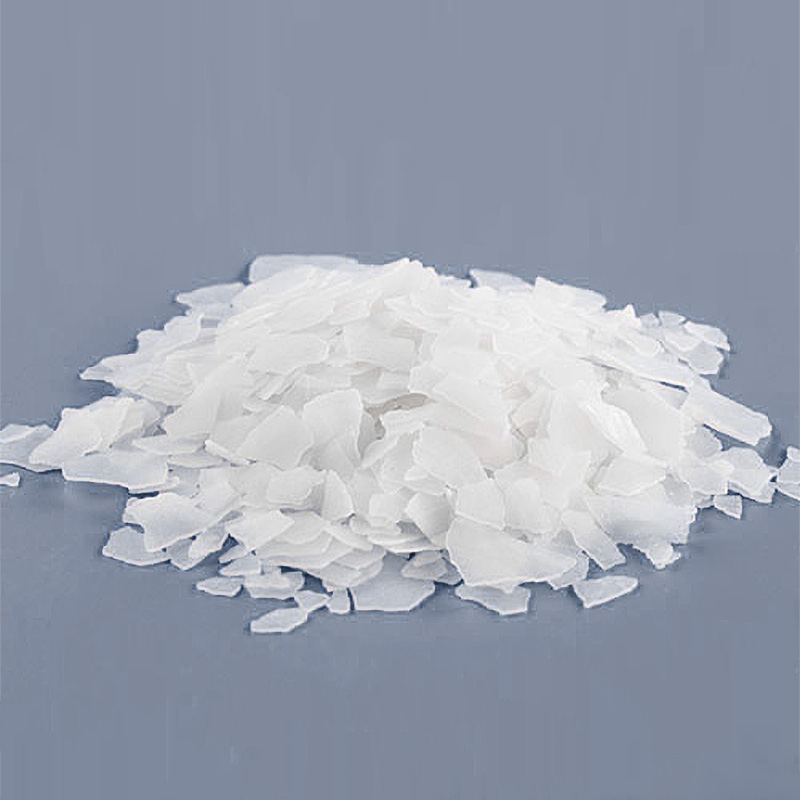
Caustic soda, also known as sodium hydroxide or lye, is a strong and highly corrosive inorganic chemical compound with the formula NaOH. At room temperature, solid caustic soda is typically white and may be supplied as flakes, granules, pellets or powder. It is also commercially handled as an aqueous liquid solution.
It dissolves readily in water and forms a strongly alkaline solution. Dissolution releases considerable heat, so preparation and dilution must be carried out only with appropriate industrial controls and procedures.
02 / PHYSICAL & CHEMICAL PROPERTIES
Key Properties of Sodium Hydroxide
General reference properties for sodium hydroxide. Commercial specifications vary by grade and physical form; always use the supplier’s current TDS, SDS and batch Certificate of Analysis for purchasing decisions.
Chemical Formula
Sodium hydroxide contains sodium, oxygen and hydrogen in a 1:1:1 atomic ratio.
Melting Point
Approximate melting point of anhydrous sodium hydroxide.
Boiling Point
Approximate boiling point of pure sodium hydroxide at atmospheric pressure.
Solid Density
Approximate density of solid sodium hydroxide; liquid solution density depends on concentration and temperature.
03 / COMMERCIAL PRODUCT FORMS
Flakes, Granules and Liquid Caustic Soda
Caustic soda is supplied in solid and liquid forms. The appropriate form depends on customer process design, handling infrastructure, concentration requirements and transport conditions.
01Caustic Soda Flakes
White solid flakes produced by concentrating liquid caustic soda and solidifying the material. Often packed in moisture-resistant bags.
SOLID / FLAKE FORM02Granules or Pearls
Small solid particles designed for controlled handling and dosing in compatible industrial processes.
SOLID / PARTICULATE FORM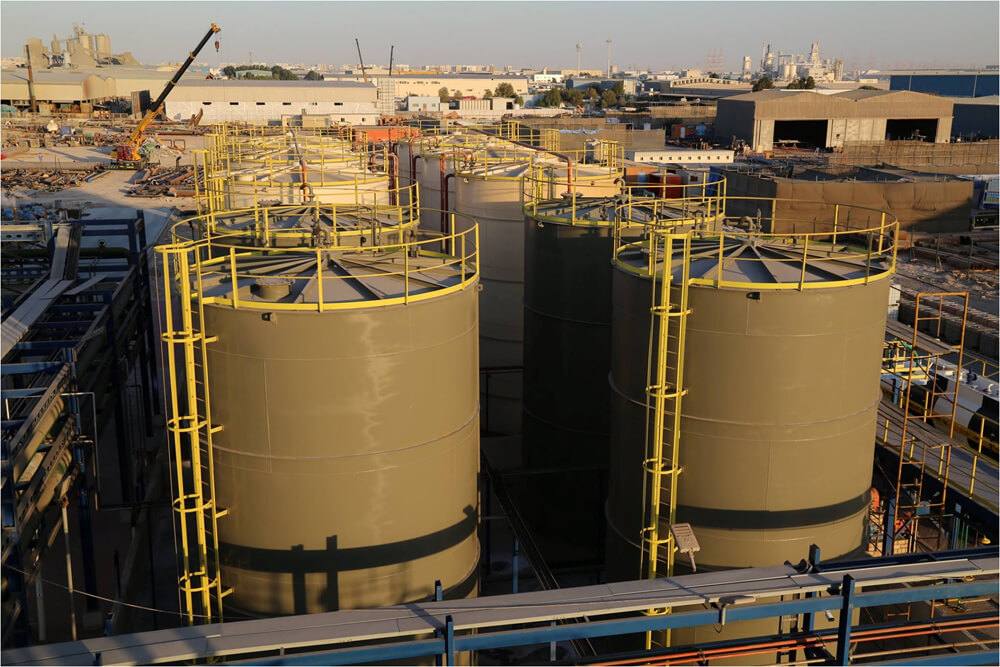 03
Liquid Caustic Soda
Aqueous sodium hydroxide solution supplied at a specified concentration, commonly transported in compatible bulk tanks.
LIQUID / SOLUTION FORM04 / INDUSTRIAL PRODUCTION
How Caustic Soda Is Produced
The original IRMinEX article identifies the chlor-alkali process as the most common production route and also describes a less common sodium carbonate causticization route.
Electrolysis of Brine
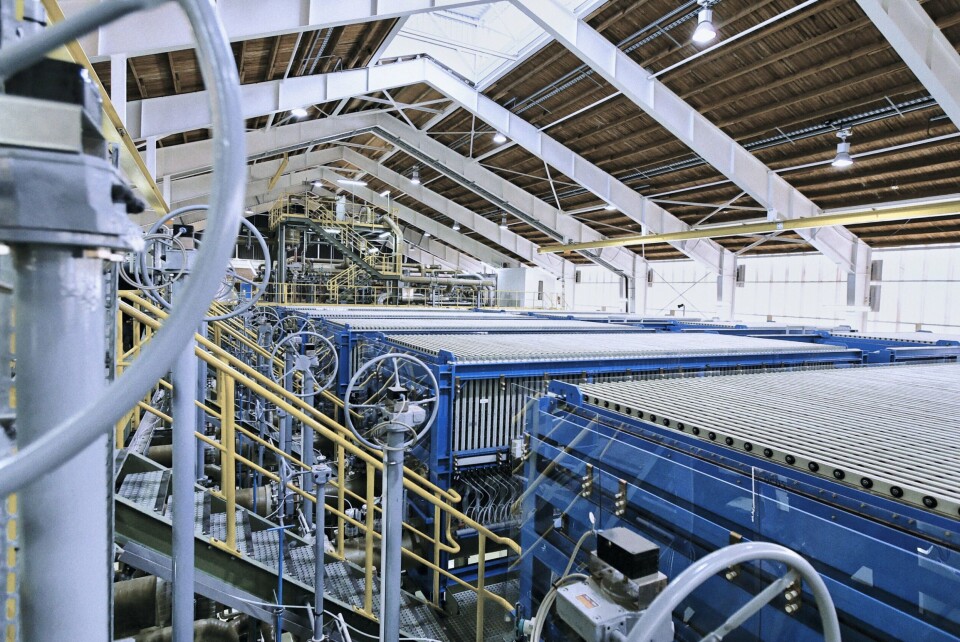
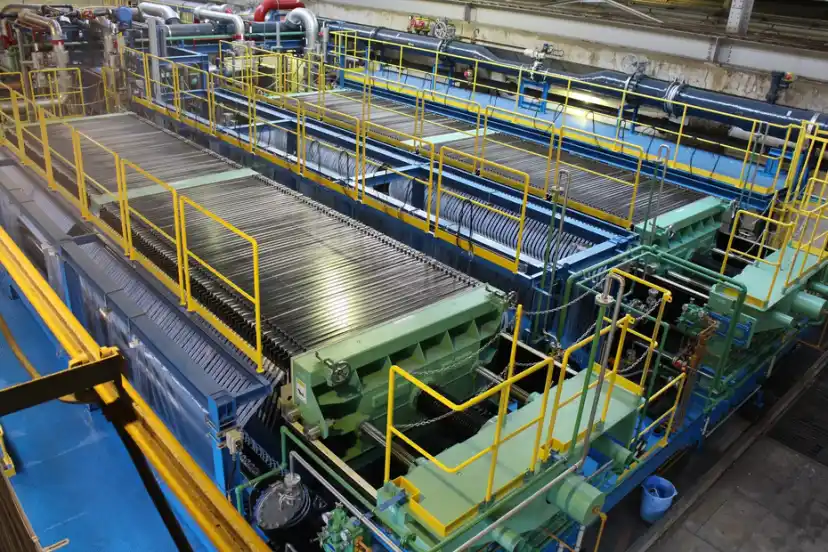
Purified sodium chloride brine is electrolysed. The process produces sodium hydroxide together with chlorine and hydrogen. Modern plants commonly use membrane-cell technology.
Sodium Carbonate Route
Sodium carbonate reacts with calcium hydroxide to form sodium hydroxide and calcium carbonate. The original source describes this route as less common and generally used at smaller industrial scale.
Brine Electrolysis: Simplified Reaction
Industrial chlor-alkali production yields three co-products from purified brine and water.
05 / CHEMICAL REACTIONS
Core Reactions in Caustic Soda Production
The following balanced equations describe the two production routes referenced in the original IRMinEX article.
Brine Electrolysis
Electrical energy drives the conversion of sodium chloride and water into sodium hydroxide, chlorine and hydrogen.
2NaCl + 2H₂O → 2NaOH + Cl₂ + H₂
Sodium Carbonate Route
Calcium hydroxide reacts with sodium carbonate to produce sodium hydroxide and calcium carbonate precipitate.
Na₂CO₃ + Ca(OH)₂ → 2NaOH + CaCO₃
06 / INDUSTRIAL APPLICATIONS
Where Caustic Soda Is Used
Its strong alkalinity and reactivity make sodium hydroxide an important processing chemical across multiple manufacturing sectors.
 01
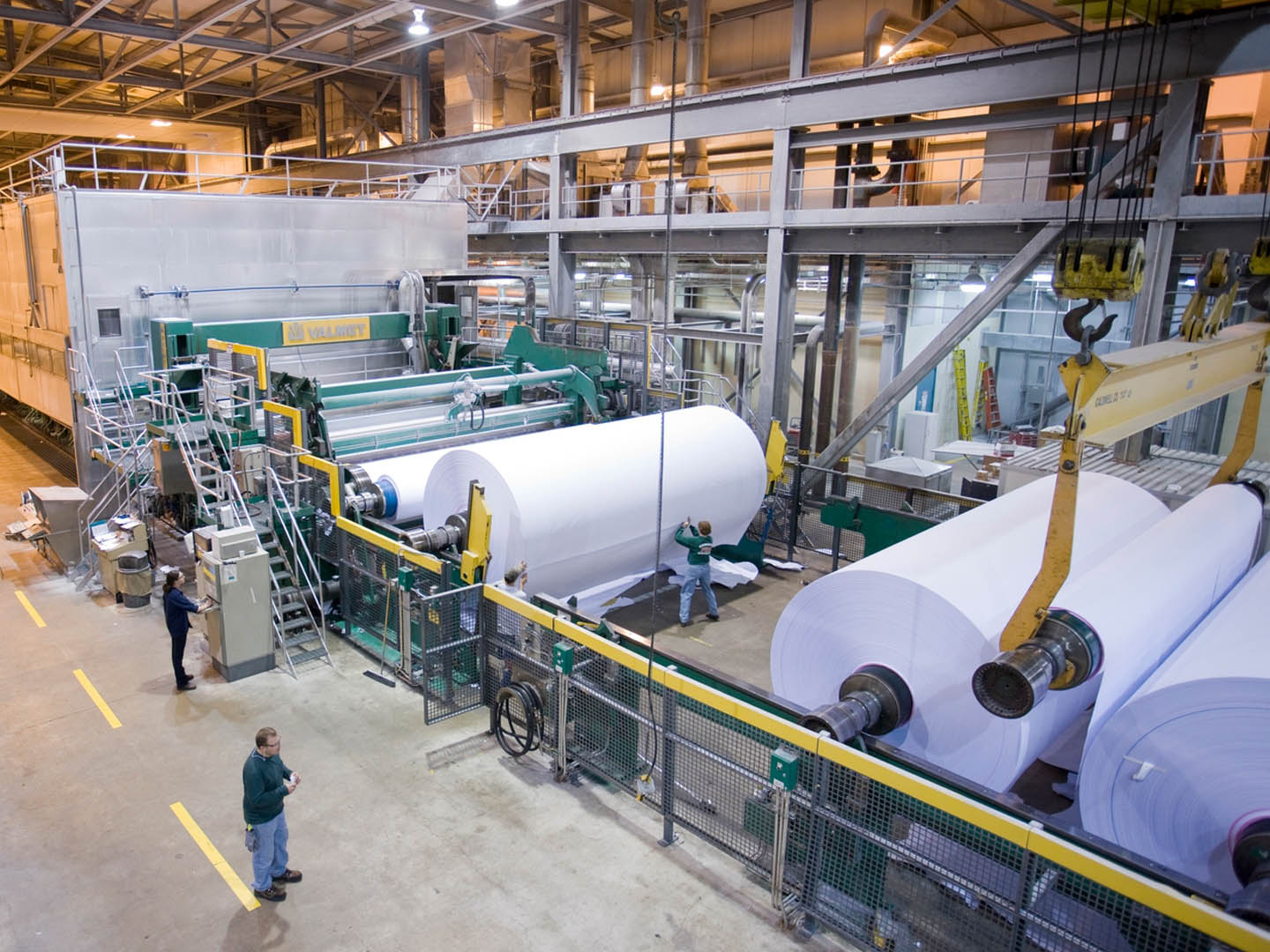
Pulp & Paper
Used in pulping and fibre processing to separate lignin and prepare cellulose-rich pulp.
PAPER / CELLULOSE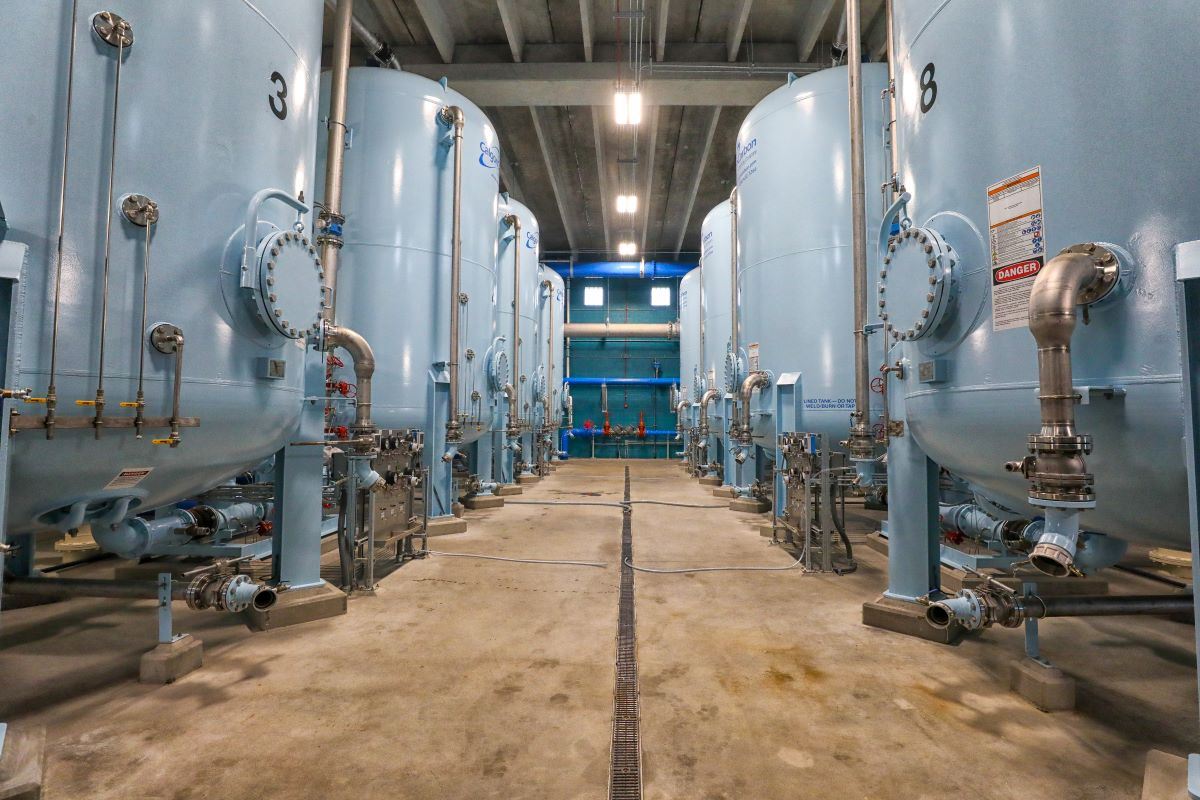 02
Water Treatment
Used for pH adjustment, neutralization and selected wastewater treatment operations.
WATER / WASTEWATER 03
Alumina Refining
Used in the Bayer process to dissolve alumina-bearing minerals from bauxite under controlled conditions.
ALUMINUM VALUE CHAIN04Chemical Manufacturing
Used in the production of sodium compounds and as a reagent in many inorganic and organic processes.
CHEMICALS / INTERMEDIATES05Oil & Gas
Applied in selected refining and gas-treatment operations to neutralize acidic components and adjust process chemistry.
ENERGY / REFINING06Soaps & Detergents
Used in saponification and in the manufacture of soaps, detergents and industrial cleaning products.
CONSUMER / INDUSTRIAL CHEMICALS07 / TEXTILE & FIBRE PROCESSING
Supporting Fibre Preparation and Dyeing
Caustic soda is used in textile processing for operations such as scouring, mercerization and selected cleaning or preparation steps. It helps remove natural oils and impurities and can improve the response of cotton fibres to subsequent dyeing and finishing processes.
Exact concentration, temperature, dwell time and rinsing conditions are process-specific and must be determined by the textile operator’s validated procedures.
08 / ALUMINUM INDUSTRY
Caustic Soda in the Bayer Process
In alumina refining, sodium hydroxide solution is used to digest bauxite and dissolve alumina-bearing compounds. The resulting process liquor is separated from insoluble residue, and alumina is later recovered through precipitation and calcination steps.
09 / STORAGE & PACKAGING
Storage Depends on Product Form
Solid caustic soda is hygroscopic and absorbs moisture and carbon dioxide from air. It should be kept in tightly closed, compatible packaging and protected from moisture. Liquid caustic soda requires tanks, pumps, valves and transfer lines selected for the solution concentration and operating conditions.
Packaging and storage arrangements must be confirmed against the supplier’s current SDS, local regulations and the receiving facility’s compatibility requirements.
10 / PACKING & EXPORT LOGISTICS
Coordinating Caustic Soda Shipments
Solid and liquid caustic soda require different packaging and handling systems. The transport plan should reflect physical form, concentration, shipment size, destination rules and compatible receiving infrastructure.
Flakes & Granules
Commonly supplied in moisture-resistant bags or other approved packaging. Confirm net weight, liner, palletization, container loading and moisture protection.
Caustic Soda Lye
Bulk liquid shipments require compatible tanks, tankers or other approved equipment, with concentration and unloading arrangements agreed in advance.
From Product Requirement to Shipment Planning
Each stage depends on supplier confirmation and destination-specific compliance.

11 / SAFETY & HAZARD AWARENESS
Caustic Soda Is Highly Corrosive
Sodium hydroxide can cause severe skin burns and serious eye damage. Dust, mist or aerosols can injure the respiratory tract. Dissolving solid NaOH in water releases substantial heat, and contact with certain metals such as aluminium can release flammable hydrogen gas.
Handling, storage, transfer and emergency response must follow the current Safety Data Sheet, applicable regulations and site-specific procedures. This page is general product information, not a handling instruction.
Direct contact may cause serious tissue damage. Appropriate protective systems and emergency facilities are essential.
Airborne dust or mist can irritate or damage the respiratory tract.
Dilution is strongly exothermic; reaction with some metals can generate hydrogen. Keep away from incompatible materials.
12 / IRAN'S CAUSTIC SODA INDUSTRY
Iran’s Role in Regional Supply
The original IRMinEX article dated 30 November 2024 describes Iran as a major regional producer of caustic soda within its petrochemical sector. It notes domestic industrial consumption and exports to international markets.
This historical source does not provide verified current production capacity, operating rates, export volumes, available stock, prices or shipment schedules. These details must be confirmed for each commercial enquiry.
Current Supply Verification
Product form, grade, purity, packaging, stock, price, loading point, shipment window and destination eligibility must be checked directly for each enquiry.
13 / MARKET CONTEXT
Demand Across Essential Industries
Caustic soda demand is linked to manufacturing activity and industrial process requirements. Market conditions can vary with chlor-alkali operating rates, electricity and salt costs, downstream demand and freight economics.
Pulp & Cellulose
Demand is tied to pulp production, paper grades and fibre processing.
Bauxite Refining
Consumption depends on refinery operations and process efficiency.
Water & Wastewater
Used for pH adjustment and selected treatment processes.
Industrial Formulations
Used in soap, detergents and a broad range of chemical manufacturing routes.
14 / QUALITY & TECHNICAL DOCUMENTATION
What Should Caustic Soda Buyers Verify?
Commercial caustic soda is offered in different forms and grades. The exact specification must be agreed before purchase and verified through supplier documentation and batch testing.
15 / BUYER ENQUIRY CHECKLIST
Information to Include in Your Caustic Soda Enquiry
Clear product and delivery details help establish whether the requested supply can be reviewed accurately.
17 / FREQUENTLY ASKED QUESTIONS
Caustic Soda: Common Buyer Questions
General product information based on the legacy IRMinEX article and standard chemical references. Product specifications require supplier confirmation.
What is the chemical formula of caustic soda?
Caustic soda is sodium hydroxide, with the chemical formula NaOH.
What forms of caustic soda are available?
It is commonly supplied as flakes, granules or pearls, powder or solid blocks, and as an aqueous liquid solution. Availability depends on the supplier.
How is caustic soda produced?
The dominant industrial route is chlor-alkali electrolysis of purified brine, which produces sodium hydroxide, chlorine and hydrogen. The original IRMinEX article also describes a sodium carbonate causticization route.
What industries use caustic soda?
Applications include chemical manufacturing, oil and gas, pulp and paper, textiles, water treatment, alumina refining, soaps and detergents, and selected food and pharmaceutical processes.
Is caustic soda hazardous?
Yes. Sodium hydroxide is highly corrosive and can cause severe skin burns and eye damage. Dust or mist can harm the respiratory tract. Follow the current SDS and applicable safety procedures.
Does IRMinEX publish live stock or prices?
The legacy product article does not provide live inventory, current prices or confirmed shipment schedules. These details must be confirmed for each enquiry.
IRMINEX / CAUSTIC SODA ENQUIRY
Discuss Your Caustic Soda Requirements
Share the requested product form, NaOH grade, quantity, packaging, destination and technical requirements so the enquiry can be reviewed against supplier and logistics conditions.