INDUSTRIAL CHEMICALS / ELEMENTAL RAW MATERIAL
Sulfur from Iran
An Essential Industrial Element for Chemicals, Fertilizers and Metallurgy
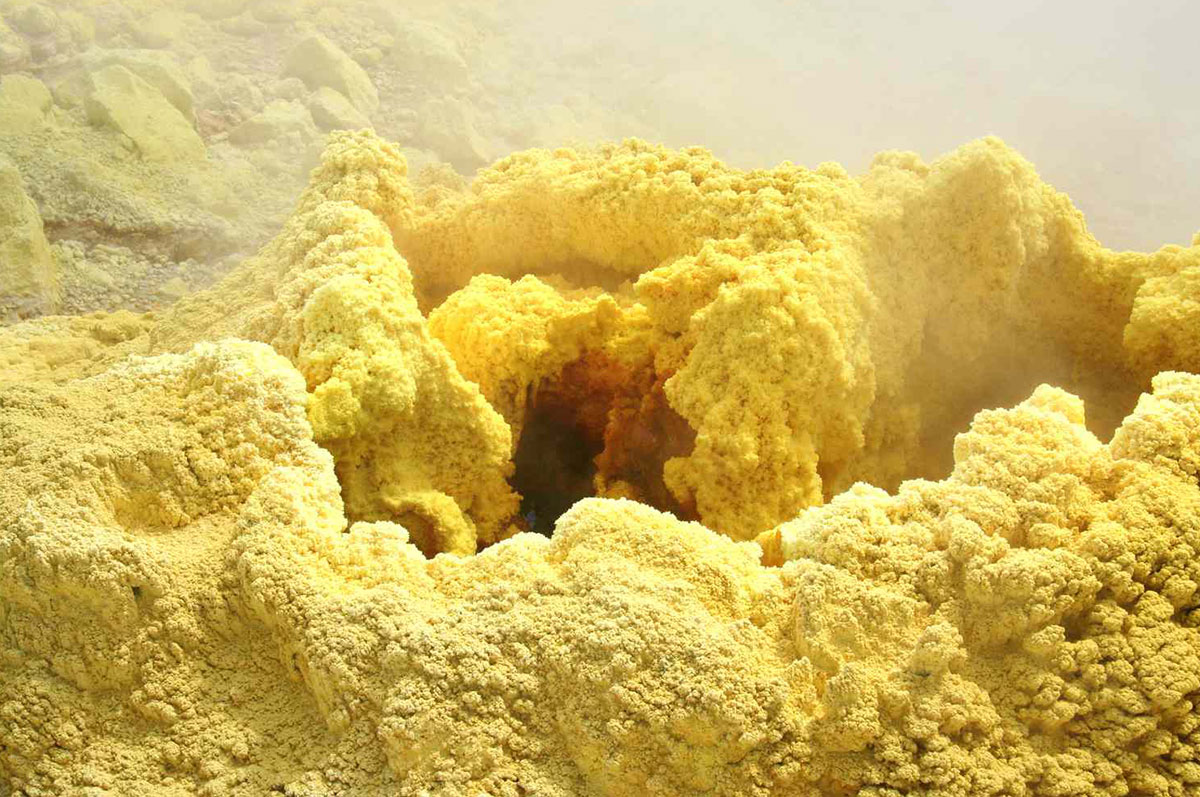
Sulfur is a naturally occurring non-metallic chemical element, represented by the symbol S and atomic number 16. It occurs in elemental deposits and in chemical compounds, and is used across sulfuric acid production, fertilizers, oil and gas processing, rubber manufacturing, pharmaceuticals, metallurgy and other industrial applications.
01 / PRODUCT OVERVIEW
What Is Sulfur?
Sulfur is a non-metallic chemical element that occurs naturally and also combines with other elements to form a wide range of compounds. Its chemical symbol is S and its atomic number is 16.
The original IRMinEX project page describes sulfur as an important industrial element because of its chemical properties and its role in several manufacturing and processing chains. Elemental sulfur and sulfur-containing compounds are used in different ways, so the intended product and application should be clearly identified in each enquiry.
02 / PHYSICAL & CHEMICAL CHARACTERISTICS
Key Properties of Sulfur
The values below reproduce the general properties listed in the original IRMinEX project page. They describe the element and are not a commercial specification or a guaranteed analysis for any supplied lot.
Symbol & Atomic Number
The chemical symbol is S and the atomic number is 16.
Appearance
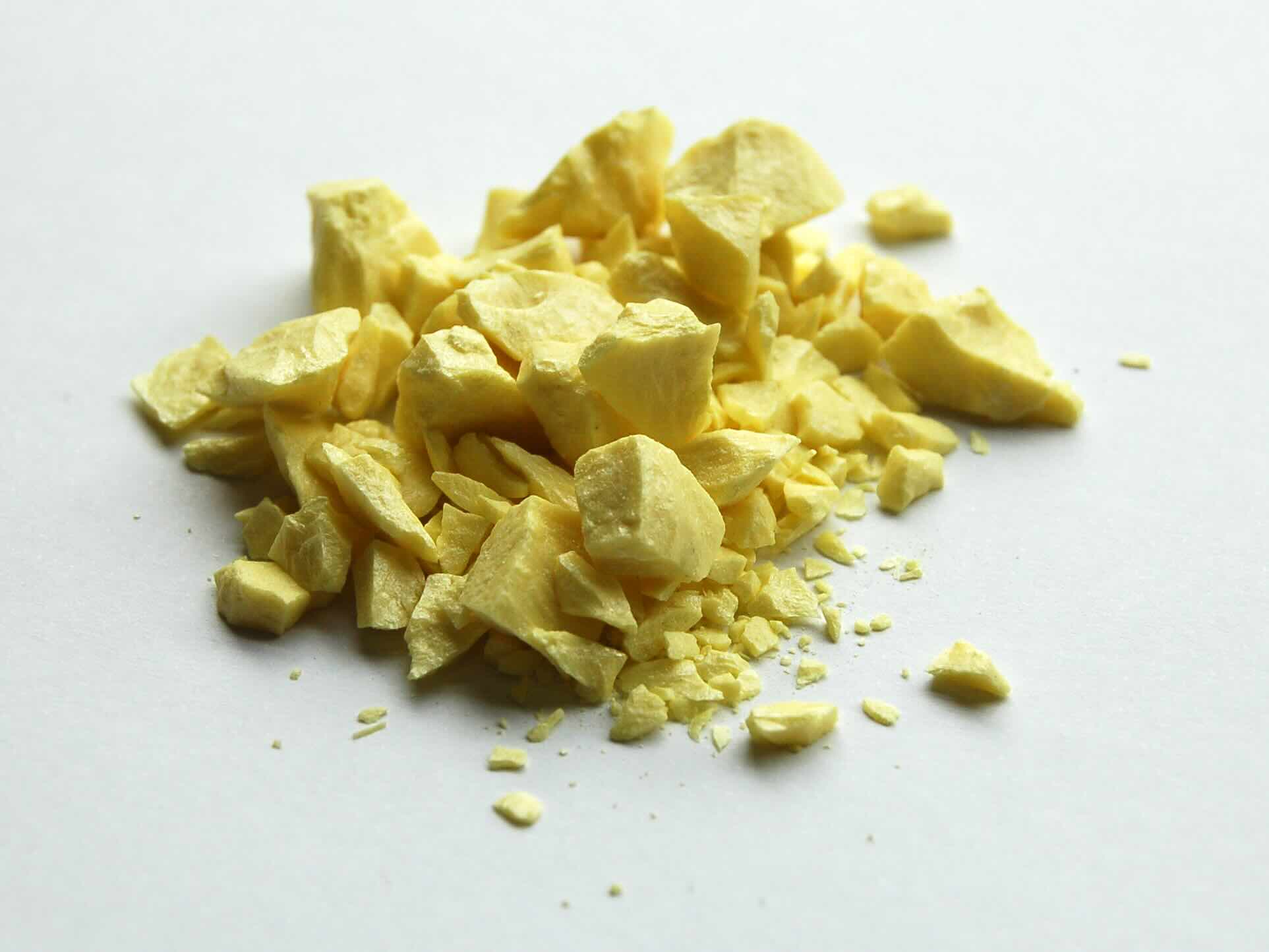
The legacy page records sulfur as a solid at room temperature and describes its pure form as yellowish-green.
Density
The density value listed in the original project page is 2.067 grams per cubic centimetre.
Melting Point
The original page lists a melting point of 115.21°C and a boiling point of 444.6°C.
04 / EXTRACTION & RECOVERY
How Sulfur Is Obtained
The original IRMinEX article identifies three broad routes: mining elemental sulfur from natural deposits, extraction through the Frasch process and recovery as a by-product of petroleum and natural gas processing.
Mining
Elemental sulfur can be extracted directly from selected natural sulfur deposits.
Frasch Process
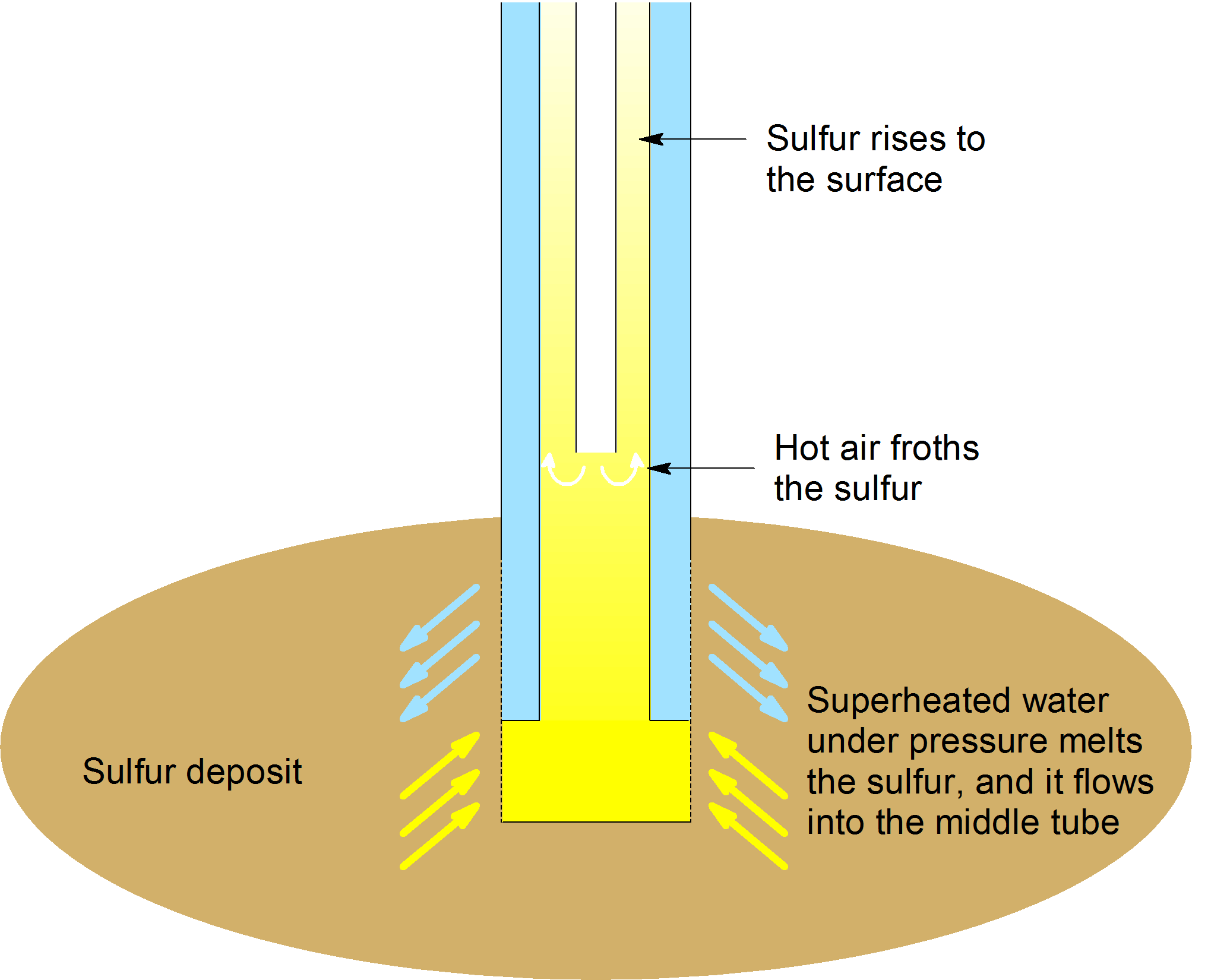
The Frasch method uses hot water or steam and compressed air to melt underground sulfur and bring it to the surface.
From Deposit or Processing Stream to Product
A high-level summary of the routes identified in the legacy IRMinEX article; actual plant configurations vary.
05 / NATURAL DEPOSIT EXTRACTION
Mining and the Frasch Process
Some natural deposits contain elemental sulfur that can be extracted directly. The original project page also identifies the Frasch process as a method for recovering sulfur from underground deposits.
In the description provided by the legacy article, hot steam and air are used to melt the sulfur and lift it to the surface. This is a specialized extraction route and should not be confused with sulfur recovered as a by-product from petroleum or natural gas processing.
06 / PETROLEUM & NATURAL GAS BY-PRODUCT
Sulfur Recovery from Oil and Gas Processing
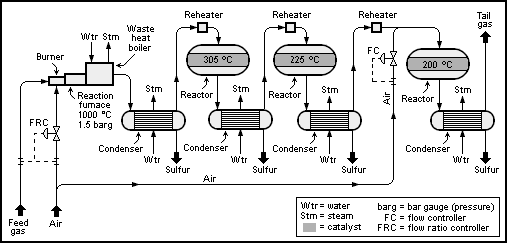
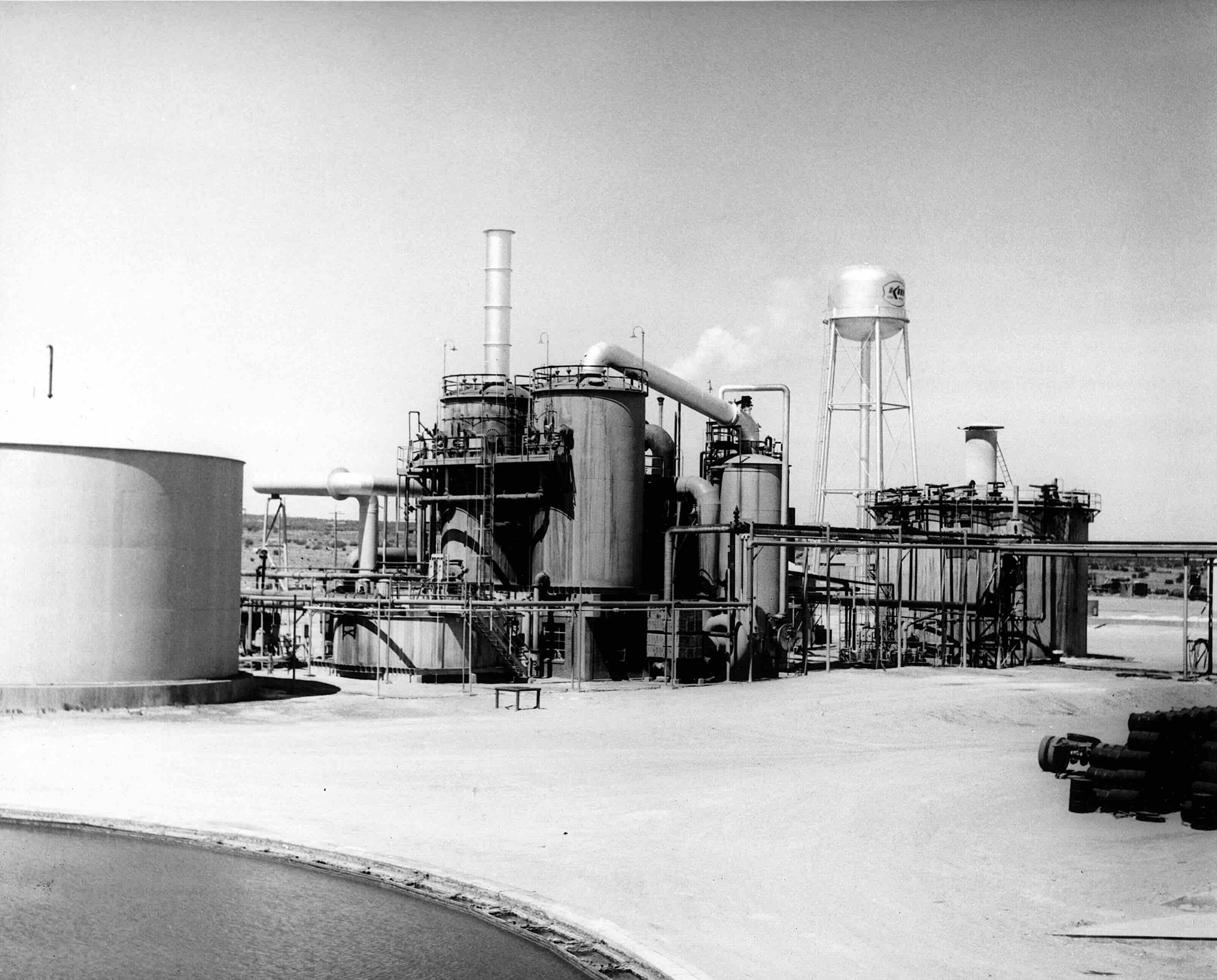
The legacy IRMinEX article states that sulfur is also obtained as a by-product of petroleum refining and natural gas processing. In these streams, sulfur may be present as hydrogen sulfide (H₂S), which requires treatment and recovery.
The original page mentions hydrogenation among the purification methods. The exact recovery and purification route depends on the processing facility and must be confirmed with the relevant producer; the statement is not a universal process specification.
08 / INDUSTRIAL APPLICATIONS
Sulfur in Sulfuric Acid Production
One of the major applications identified in the original IRMinEX article is the production of sulfuric acid (H₂SO₄). Sulfuric acid is an important industrial chemical used in fertilizer manufacturing, petrochemical processes and water treatment.
This application connects elemental sulfur to a broad range of downstream chemical and industrial value chains. The suitable feed material and process conditions are determined by the receiving plant.
09 / FERTILIZER PRODUCTION
Sulfur in Agricultural Fertilizers
The original project page identifies sulfur as an input in phosphate and sulfate-based fertilizers, which are used to support crop growth and agricultural productivity.
 01
Elemental Sulfur
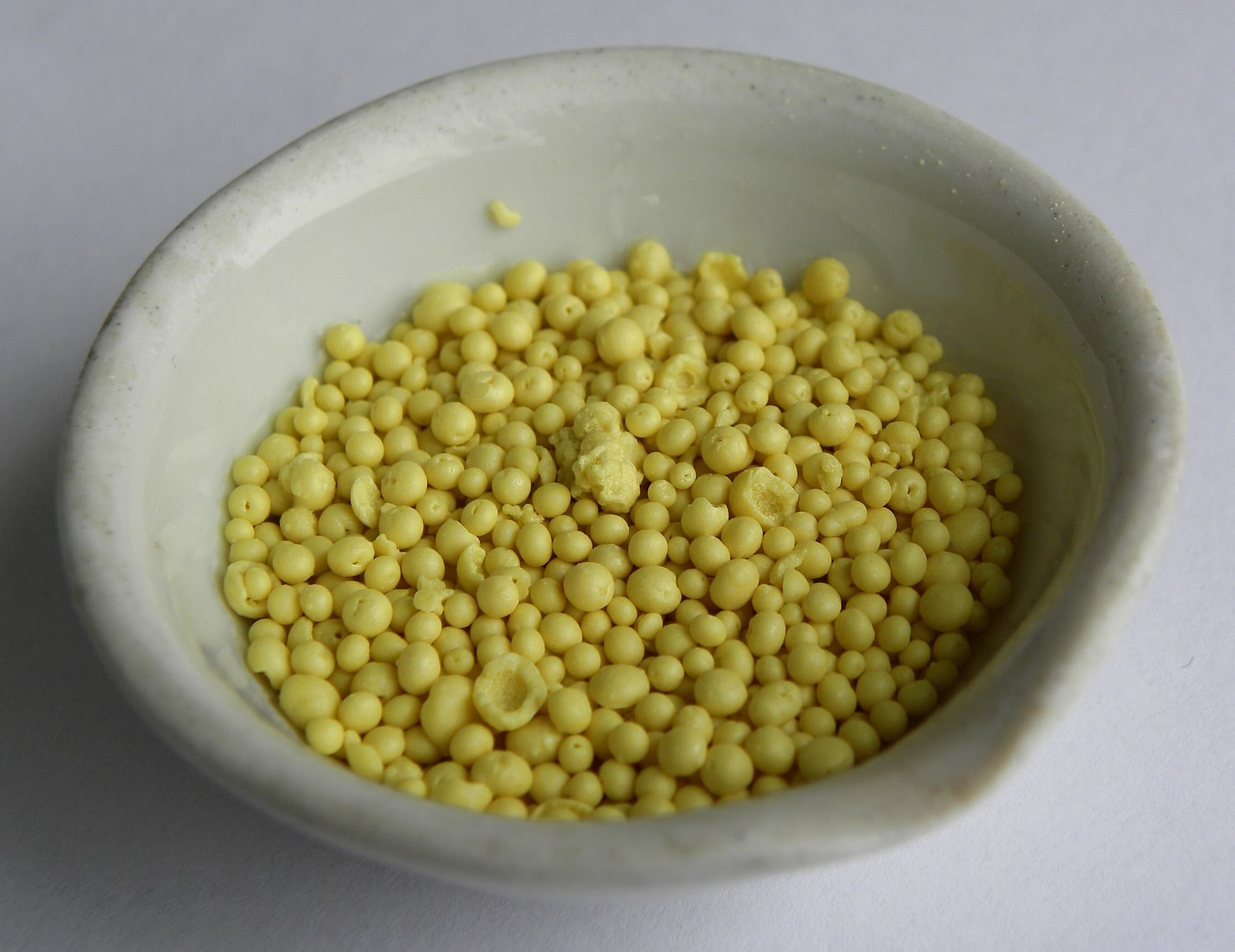
Elemental sulfur is used as a raw material in sulfur-based agricultural products and fertilizer value chains.
ELEMENTAL MATERIAL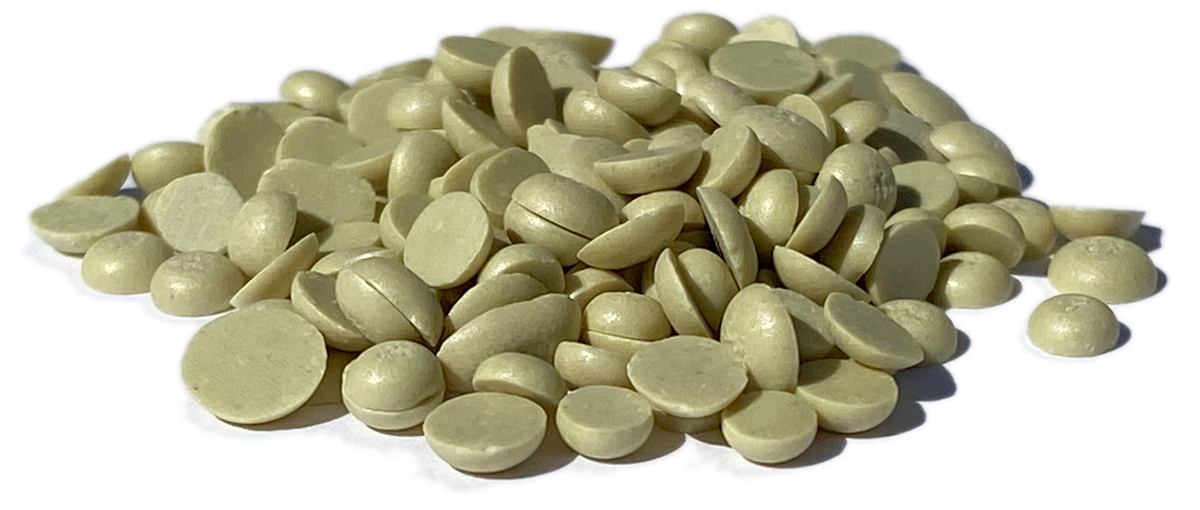 02
Sulfur-Based Products
Sulfur-containing fertilizer products are designed for agricultural use; their composition and application instructions depend on the specific product.
AGRICULTURAL INPUTS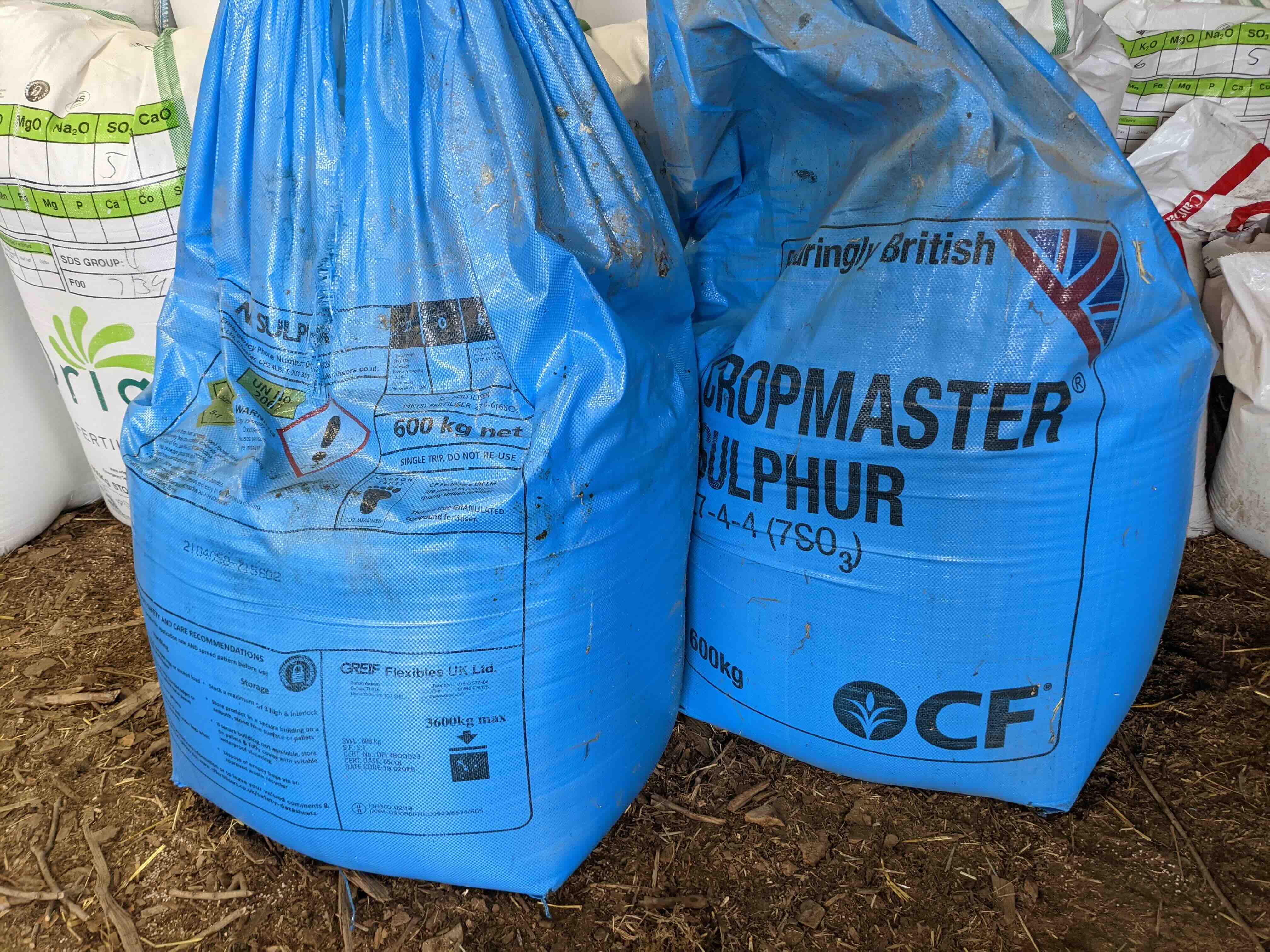 03
Phosphate & Sulfate Fertilizers
The legacy article identifies phosphate fertilizers and sulfate-based fertilizers among the applications of sulfur.
FERTILIZER VALUE CHAIN10 / OIL & GAS INDUSTRY
Sulfur Management in Petroleum Processing
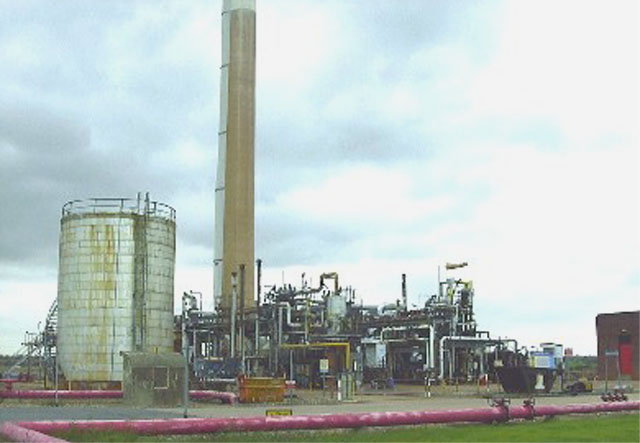
The original IRMinEX article describes sulfur as an impurity in crude oil that is removed during refining to help prevent air pollution. Sulfur-bearing streams from petroleum and natural-gas processing are also identified as a source of recovered sulfur.
These operations link sulfur management with both environmental control and the production of an industrial raw material. The specific treatment route and recovered product characteristics depend on the refinery or gas-processing facility.
11 / RUBBER MANUFACTURING
Sulfur in Rubber Vulcanization
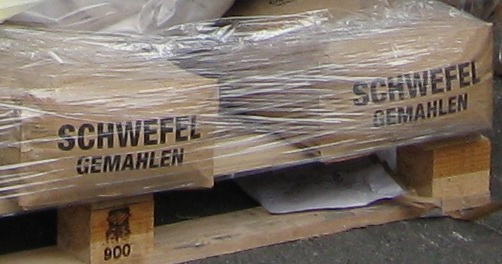
The original IRMinEX page identifies rubber manufacturing as another application of sulfur. In vulcanization, sulfur is used in a process that strengthens rubber and changes its material performance.
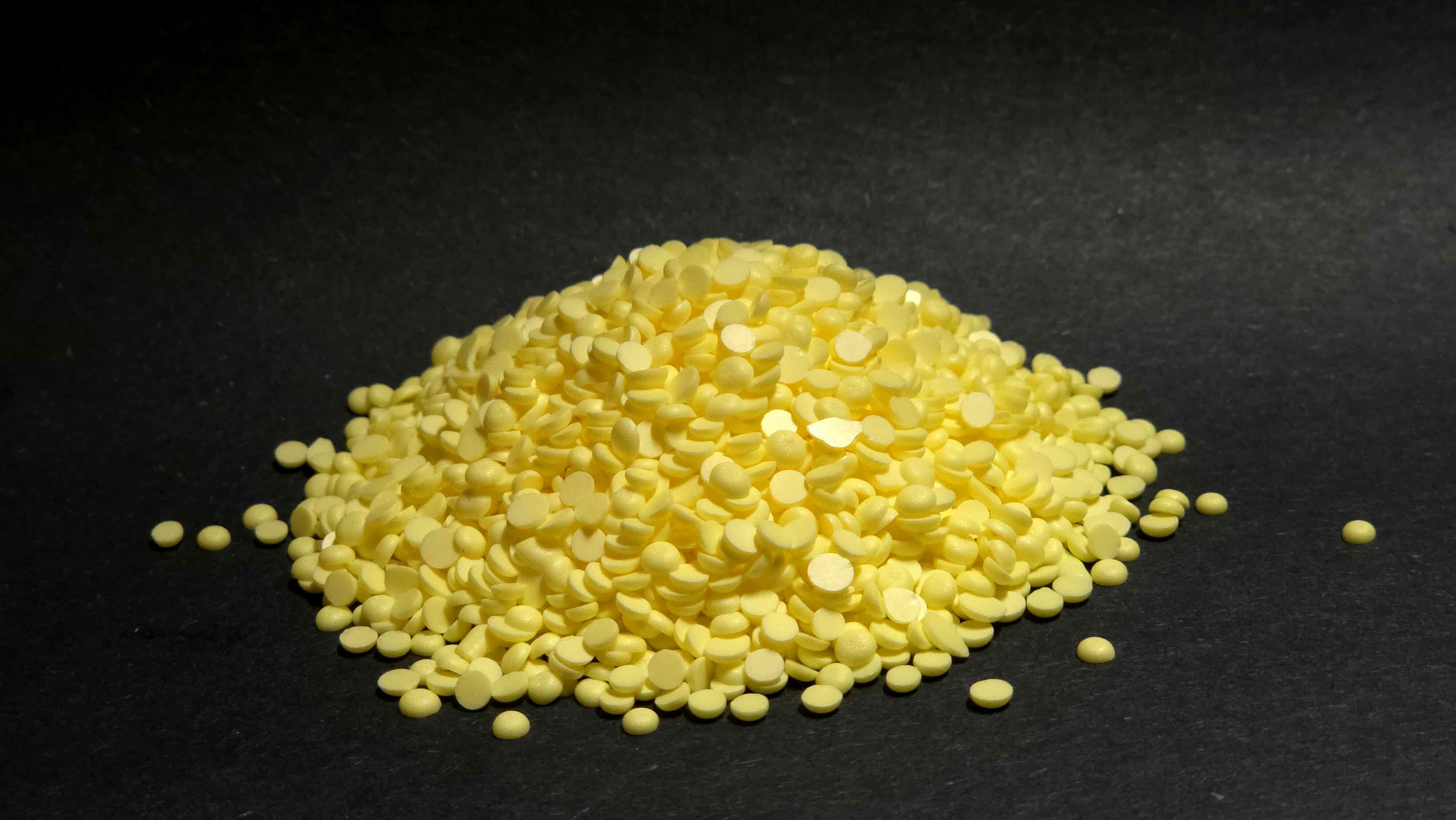
The required sulfur form, grade and handling method depend on the rubber formulation and the manufacturer’s process requirements. The photograph illustrates packaged sulfur material, not a specific rubber-manufacturing operation.
12 / PHARMACEUTICAL APPLICATIONS
Sulfur in Pharmaceutical Manufacturing
The legacy IRMinEX article notes that sulfur is used in the manufacture of medicines, particularly products with antifungal and antimicrobial applications.
This is a broad description of an industrial application, not a claim that any particular sulfur grade is suitable for pharmaceutical use. Pharmaceutical applications require material identity, purity, processing controls and regulatory documentation appropriate to the intended product.
13 / METALLURGY & CHEMICAL INDUSTRY
Sulfur Across Industrial Processes
The original IRMinEX article identifies sulfur-related roles in metal production and chemical manufacturing, including sulfide-stage processing and the production of sulfur dioxide and other chemicals.
Copper & Zinc Metallurgy
Sulfur is associated with sulfide ores and the processing stages involved in producing metals such as copper and zinc.
METAL VALUE CHAINSSulfur Dioxide (SO₂)
Sulfur is a raw material for sulfur dioxide and other sulfur-containing chemicals used in industrial processes.
CHEMICAL FEEDSTOCKWater Purification
The legacy article also identifies sulfur-derived chemicals among materials used in selected water-purification applications.
PROCESS CHEMICALS16 / IRAN'S SULFUR INDUSTRY
Iran’s Role in Sulfur Production and Export
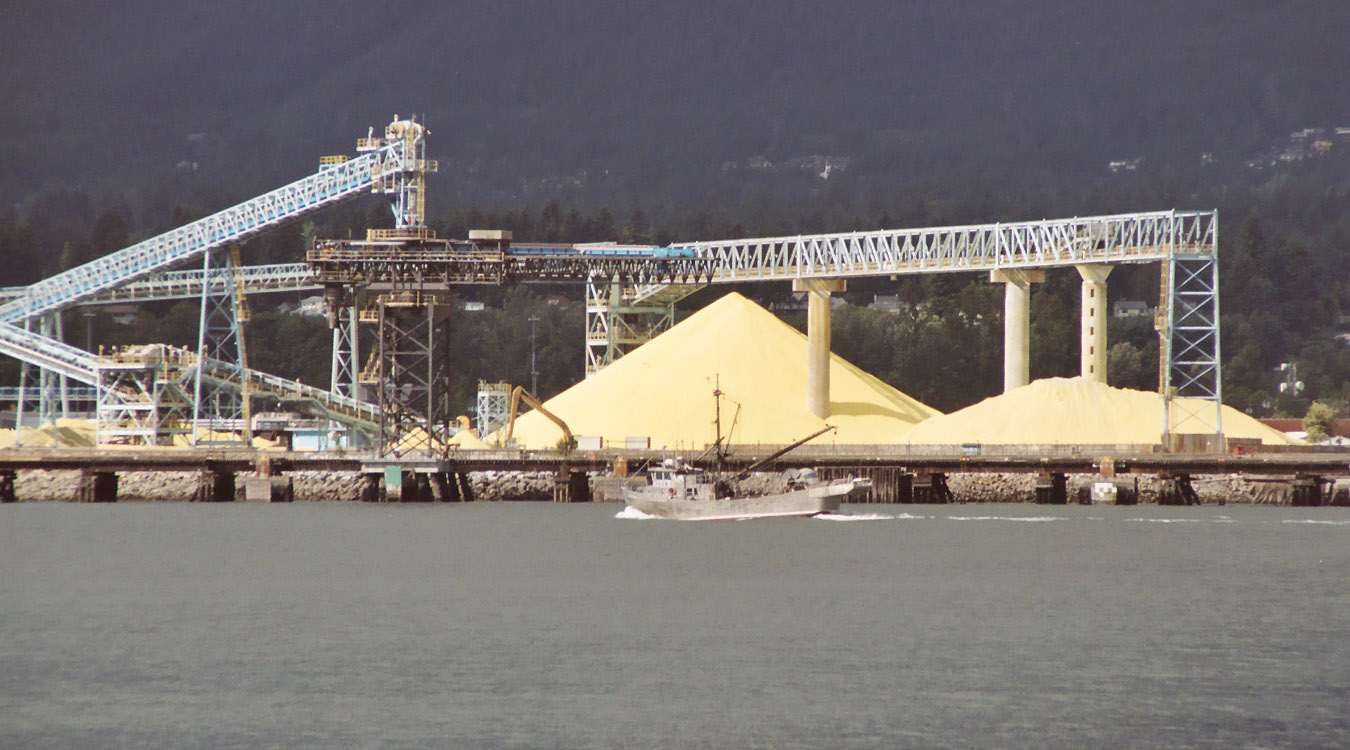
The original IRMinEX project page, dated 30 November 2024, describes Iran as one of the leading sulfur producers globally. It states that most sulfur in Iran is obtained from petroleum and natural-gas refining.
The same source identifies sulfuric acid production, fertilizers and rubber manufacturing among domestic applications, and reports that Iran exports a significant portion of its sulfur. These statements reflect the legacy project article and should not be treated as a live supply, stock or export-capacity confirmation.
Current Supply Verification
Product form, purity, physical specifications, packaging, stock, price, loading point, shipment window, documentation and destination eligibility must be checked directly for each enquiry. This page does not confirm current availability or exportable tonnage.
17 / FREQUENTLY ASKED QUESTIONS
Sulfur: Common Buyer Questions
General information based on the legacy IRMinEX project article. Product quality, current availability and commercial terms must be confirmed for each enquiry.
What is sulfur?
Sulfur is a non-metallic chemical element with the symbol S and atomic number 16. It occurs naturally and in compounds with other elements.
What are the main forms of sulfur described on this page?
The original article identifies elemental sulfur (S₈), organic sulfur compounds such as carbon disulfide (CS₂), and compounds including sulfides, sulfates and sulfuric acid.
How is sulfur obtained?
The legacy page identifies direct mining, the Frasch process and recovery as a by-product of petroleum and natural-gas processing.
What is sulfur used for?
Applications listed in the original article include sulfuric acid and fertilizer production, oil and gas processing, rubber vulcanization, pharmaceuticals, metallurgy, chemicals, food processing and agriculture.
What is the role of sulfur in fertilizer production?
The source page identifies sulfur as an input for phosphate and sulfate-based fertilizers and notes the role of sulfur-based products in soil fertility and crop growth.
Does this page confirm current Iranian sulfur stock or prices?
No. The legacy article describes Iran’s production and export role, but current product form, specifications, availability, price, loading point and shipment schedule must be verified for each enquiry.
IRMINEX / SULFUR ENQUIRY
Discuss Your Sulfur Requirements
Share the required sulfur form, intended application, technical specification, quantity, packaging, loading terms and destination so the enquiry can be reviewed against supplier and logistics conditions.