PRODUCT 01 / MINERAL RESOURCES
Iron Ore from Iran
A Strategic Raw Material for Iron & Steel Production
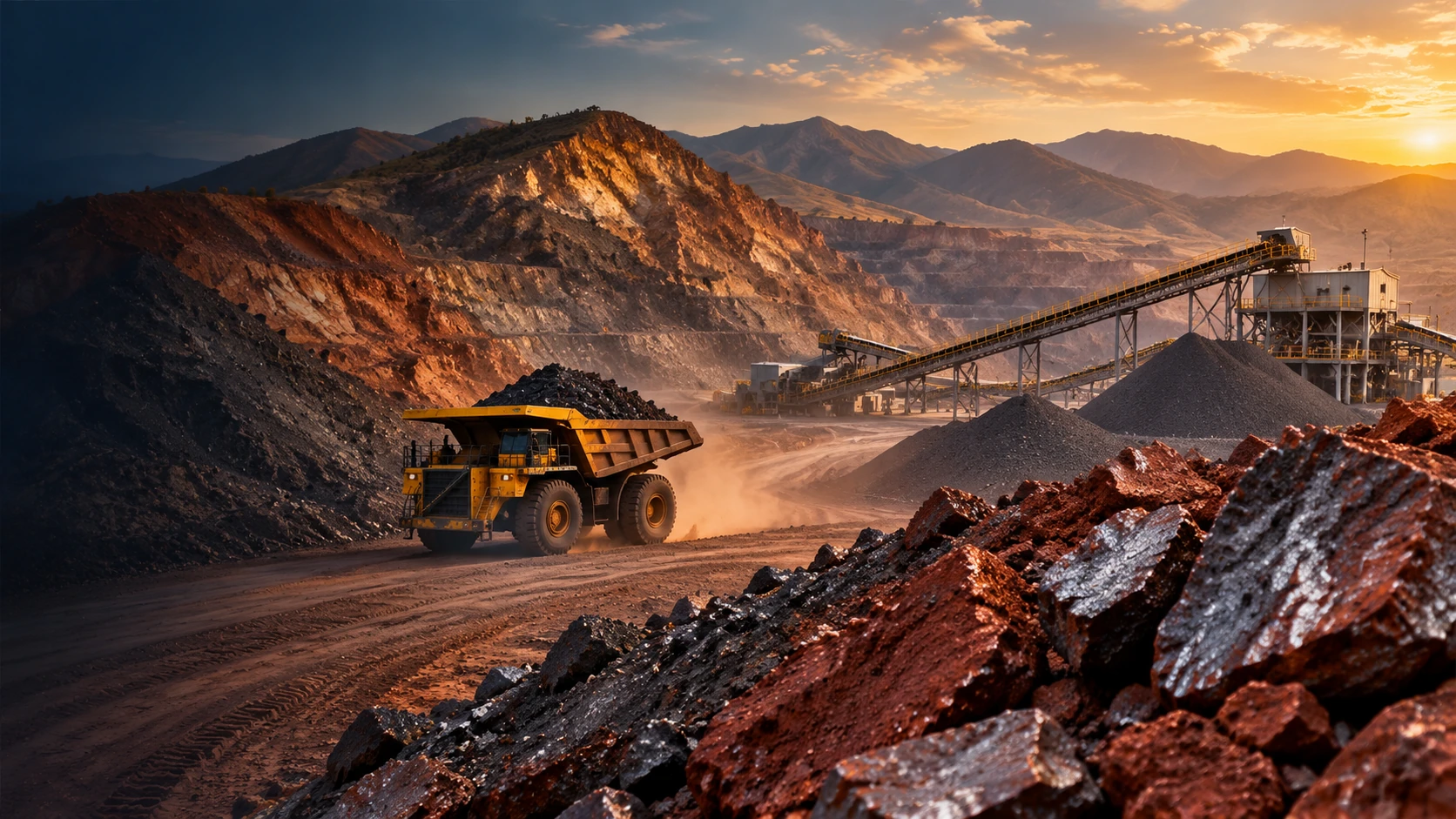
Explore the main types of iron ore, the stages of extraction and processing, its industrial applications, and the role of Iran’s mineral resources in regional and international supply chains.
01 / PRODUCT OVERVIEW
What Is Iron Ore?
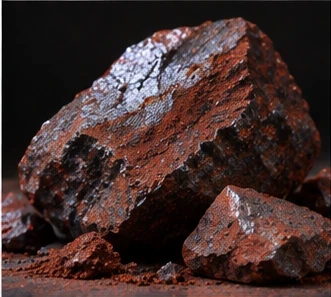
Iron ore is a naturally occurring mineral resource and one of the principal raw materials used to produce iron. It is mainly composed of iron-bearing minerals, particularly iron oxides, and plays a central role in the global steel value chain.
Its industrial importance comes from the wide range of steel products made from iron, including structural sections, sheets and other materials used in construction, machinery, automotive manufacturing and transportation.
02 / MINERAL CLASSIFICATION
Main Types of Iron Ore
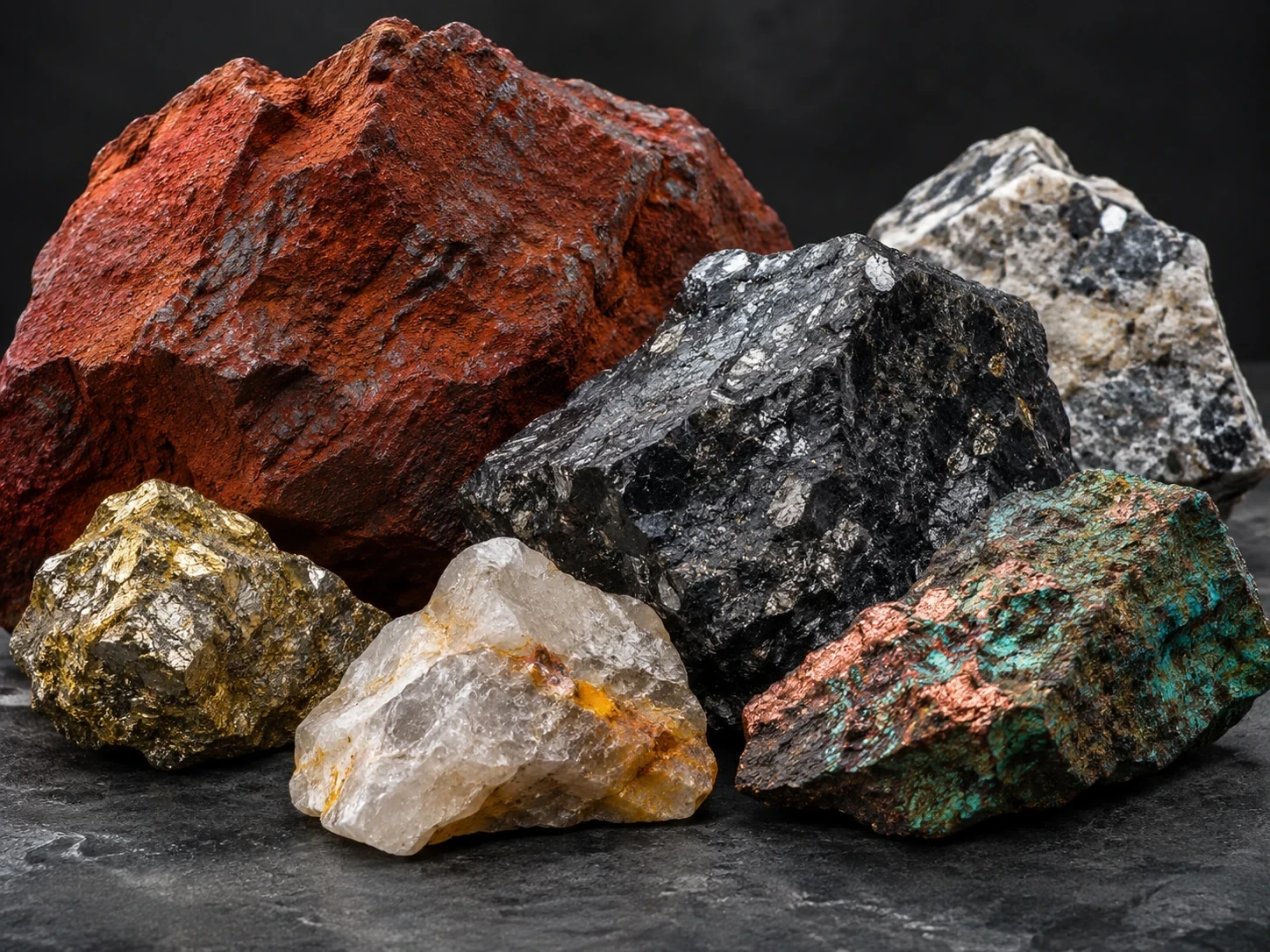
Iron ore occurs in different mineral forms. The legacy IRMinEX article describes four principal types, each with its own composition, appearance and iron content.
Hematite
Red to dark-brown iron oxide
One of the most common iron ores. The original IRMinEX article describes hematite as a major source for iron extraction and cites an approximate iron content of 70%.
Magnetite
Black, magnetic iron oxide
Recognized by its magnetic properties, which support magnetic separation. The original article cites an approximate iron content of 72%.
Limonite
Yellow to brown hydrated iron oxide
Limonite generally has a lower iron content than hematite and magnetite. The legacy article notes its comparatively more limited use in the steel industry.
Siderite
Iron carbonate mineral
In siderite, iron occurs in carbonate form. The original article describes its iron content as lower than hematite and magnetite and notes that it is less commonly used industrially.
03 / EXTRACTION & PROCESSING
From Mineral Deposit to Ironmaking Feedstock
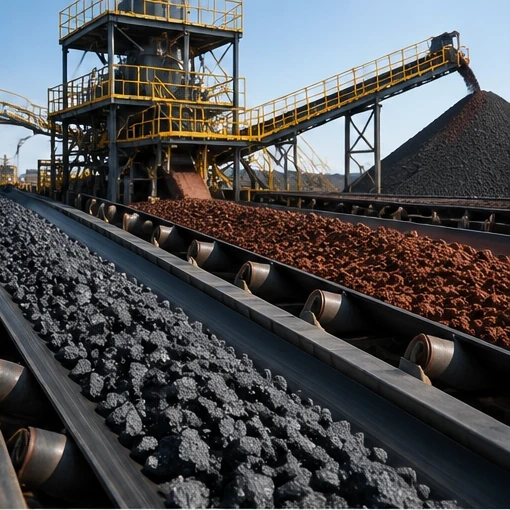
The original IRMinEX article outlines a general production sequence, from mining and size reduction through concentration and pig iron production.
Extraction
Iron ore is extracted from open-pit or underground mines. Drilling, blasting and loading equipment are used to recover and move the ore.
Crushing & Separation
Run-of-mine material is transferred to crushing units and reduced in size. Physical or chemical separation methods are then used to remove unwanted material.
Processing & Concentration
Beneficiated ore is processed into iron concentrate. Depending on the process and intended use, concentrate may subsequently be formed into pellets or lumps.
Blast Furnace & Pig Iron
In the blast furnace route described in the source article, iron-bearing feed is combined with coke and limestone at high temperature to produce pig iron, a base material for steelmaking.
This section explains the general process described in the existing article; it does not represent a claim that IRMinEX owns or operates a particular mine or processing plant.
04 / INDUSTRIAL APPLICATIONS
Where Is Iron Ore Used?
Iron ore is the starting point for iron and steel products that support a broad range of industrial and infrastructure activities.
Steel Industry
The principal application of iron ore. Steel is used to manufacture rebar, beams, sheets and other structural sections for multiple industries.
Ironmaking · Steel productsConstruction & Infrastructure
Iron and steel are essential materials in buildings, urban infrastructure, bridges and major construction projects.
Buildings · Bridges · InfrastructureAutomotive & Transportation
Steel products are used in vehicle bodies, engine components, ships, trains and other transportation equipment.
Automotive · Rail · Marine05 / IRAN’S IRON ORE RESOURCES
Important Mining Regions in Iran
The existing IRMinEX article identifies significant iron ore mining areas in three provinces: Khorasan Razavi, Yazd and Kerman. It describes these resources as an important source for the domestic steel industry, with part of production also entering export markets.
PRODUCTION & EXPORT CONTEXT
Domestic Industry and International Markets
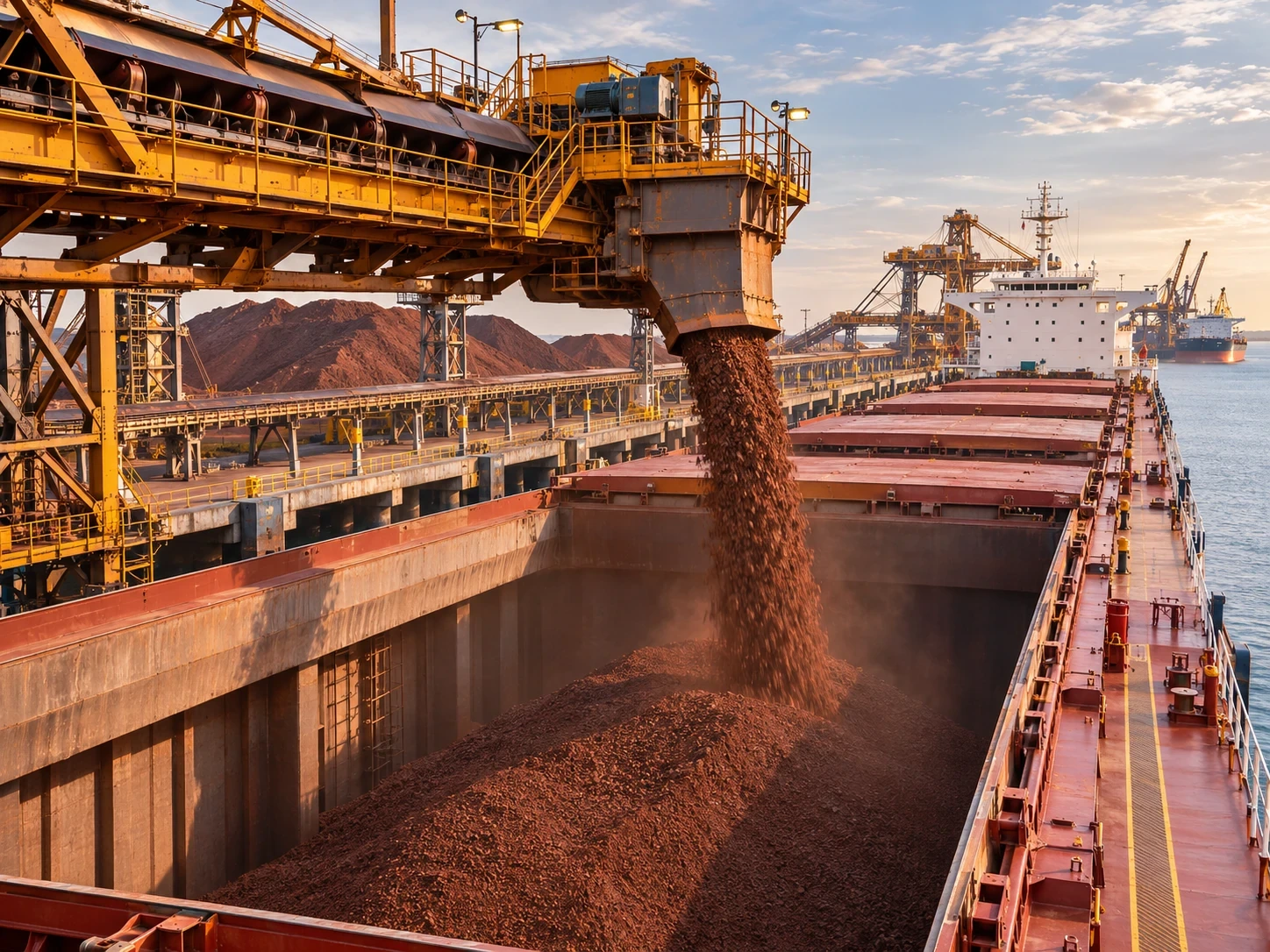
The legacy article describes Iran as a significant regional producer and identifies China as an important destination for Iranian iron ore exports. It also notes that export policies may change when domestic steelmaking requirements need to be prioritized. Current production volumes, export destinations and shipment availability should therefore be reconfirmed for each enquiry.
06 / STRATEGIC & ECONOMIC CONTEXT
Why Iron Ore Matters to Industrial Development
Iron ore underpins the steel value chain, linking mineral resources to infrastructure, manufacturing and economic activity.
A Foundation for Steel Supply Chains
Steel is a core industrial material used in infrastructure, automotive manufacturing and a wide range of industrial applications. Access to iron ore resources can support domestic steel production and broader industrial development.
Factors That Shape the Market
- Rising extraction and operating costs
- Environmental constraints and requirements
- Fluctuations in global iron ore prices
Technology and Value Addition
- Growing demand for steel and steel products
- Advances in extraction and processing technologies
- Further value creation through downstream production
07 / PRODUCT INFORMATION & ENQUIRIES
Request Iron Ore Details for Your Requirements
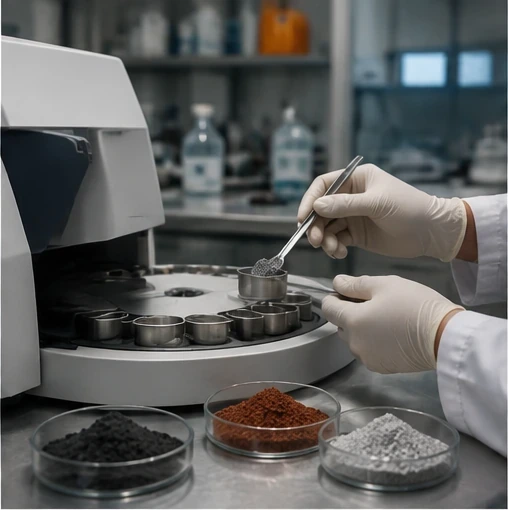
The legacy Iron Ore page explains the mineral types and industrial context but does not publish a current IRMinEX commercial grade sheet, guaranteed Fe content, size distribution, available quantity or price. These details should be confirmed for the specific product and lot.
IRON ORE / FAQ
Frequently Asked Questions
Key information about iron ore, its main mineral types and its role in the steel value chain.
What is iron ore mainly used for?
Iron ore is primarily used as a raw material for extracting iron and producing steel. Steel is then used in construction, infrastructure, automotive manufacturing, machinery and transportation.
What are the four main types described by IRMinEX?
The existing IRMinEX article discusses hematite, magnetite, limonite and siderite, including their chemical formulas and general characteristics.
How is iron ore processed?
The general sequence described on this page includes extraction, crushing and separation, processing and concentration, followed by ironmaking in a blast furnace for the route outlined in the source article.
Which Iranian provinces are mentioned as iron ore regions?
The legacy article identifies Khorasan Razavi, Yazd and Kerman as provinces with significant iron ore mining areas.
Does this page publish a guaranteed commercial iron grade?
No. The approximate iron-content figures in the mineral-type section are general descriptions from the legacy article, not a commercial offer. Request the current specification and lot-specific analysis for any supply enquiry.
Can IRMinEX confirm current export availability?
Current product availability, origin, quantity, destination, shipment schedule and commercial terms need to be checked with IRMinEX for each enquiry.
IRMINEX / IRON ORE ENQUIRY
Discuss Your Iron Ore Requirements
Contact IRMinEX to request product information and discuss technical documentation, quantity, destination and export arrangements.